
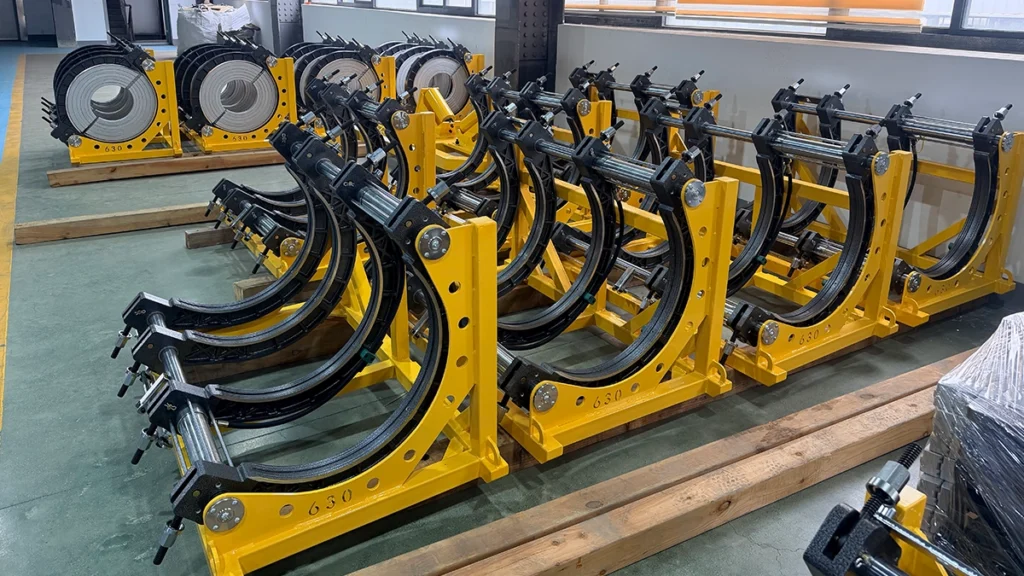
Kenya’s expanding water, gas, and agricultural irrigation networks demand durable, efficient HDPE welding solutions that work in both urban centres like Nairobi and remote counties. This guide explains how reliable butt fusion equipment supports pipe installation and repair across Kenya’s varied landscapes, from municipal projects to off-grid rural worksites.
Why HDPE Welding Matters for Kenyan Infrastructure
High-density polyethylene (HDPE) piping is now the preferred material for many Kenyan projects because of its corrosion resistance, flexibility, and long service life. Proper welding ensures leak-free joins that withstand seasonal rains, ground movement, and the demands of irrigation, water-supply networks, and mining operations. For contractors and county engineers, choosing the right welding equipment is a critical step in ensuring installation quality and long-term reliability.
Types of Butt Fusion Machines and Kenyan Use Cases
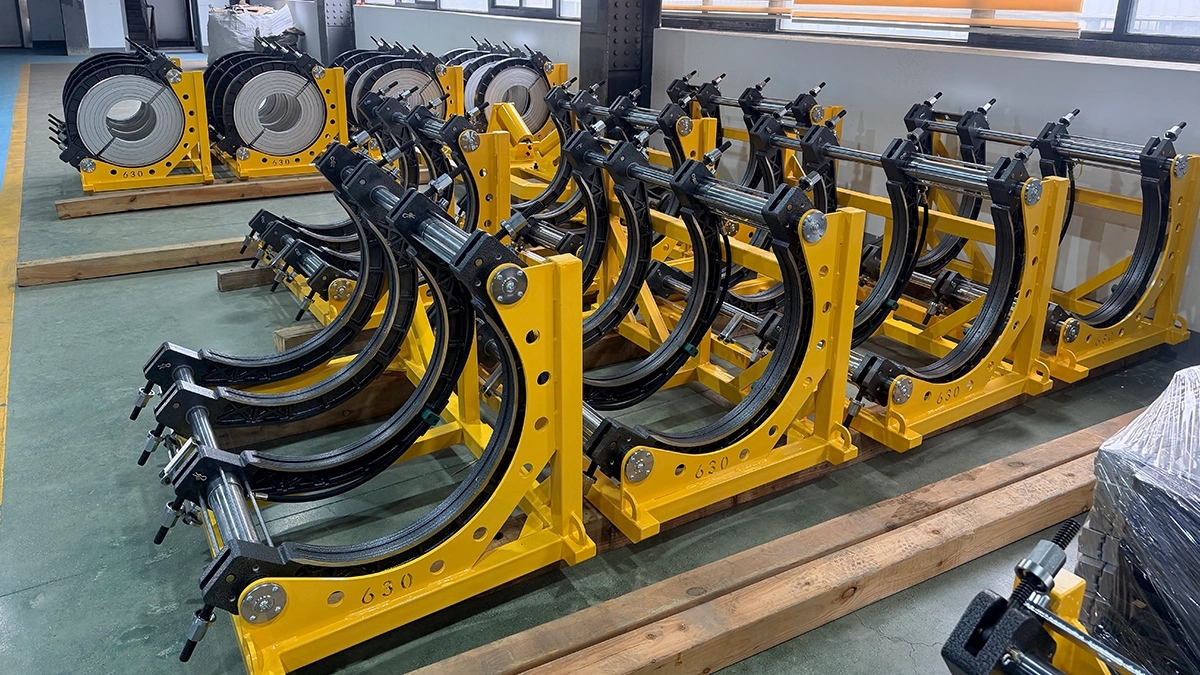
Equipment choice depends on project scale and site conditions. Manual and portable machines are ideal for rural installations and emergency repairs, while hydraulic and CNC automatic units suit large municipal and industrial pipelines where throughput and traceable weld records matter. In Kenya, many contractors prefer machines that are robust, easy to service locally, and adaptable to fluctuating power availability.
Common Applications Across Kenya
Typical uses include:
- Rural water supply — portable machines enable villages to repair or extend networks without heavy logistics.
- Urban infrastructure — automated systems help utility companies reduce downtime during large-scale installations.
- Agricultural irrigation — durable HDPE welds resist UV and chemical exposure common in farms around the Rift Valley.
- Mining and industrial pipelines — heavy-duty hydraulic machines handle large-diameter pipe fusion for reliable transport of slurry and water.
Quick Comparison: Machine Types at a Glance
| Machine Type | Typical Diameter Range | Best For | Portability | Key Advantage |
|---|---|---|---|---|
| Manual Butt Fusion | 16–315 mm | Field repairs, rural projects | High | Low cost, easy to transport |
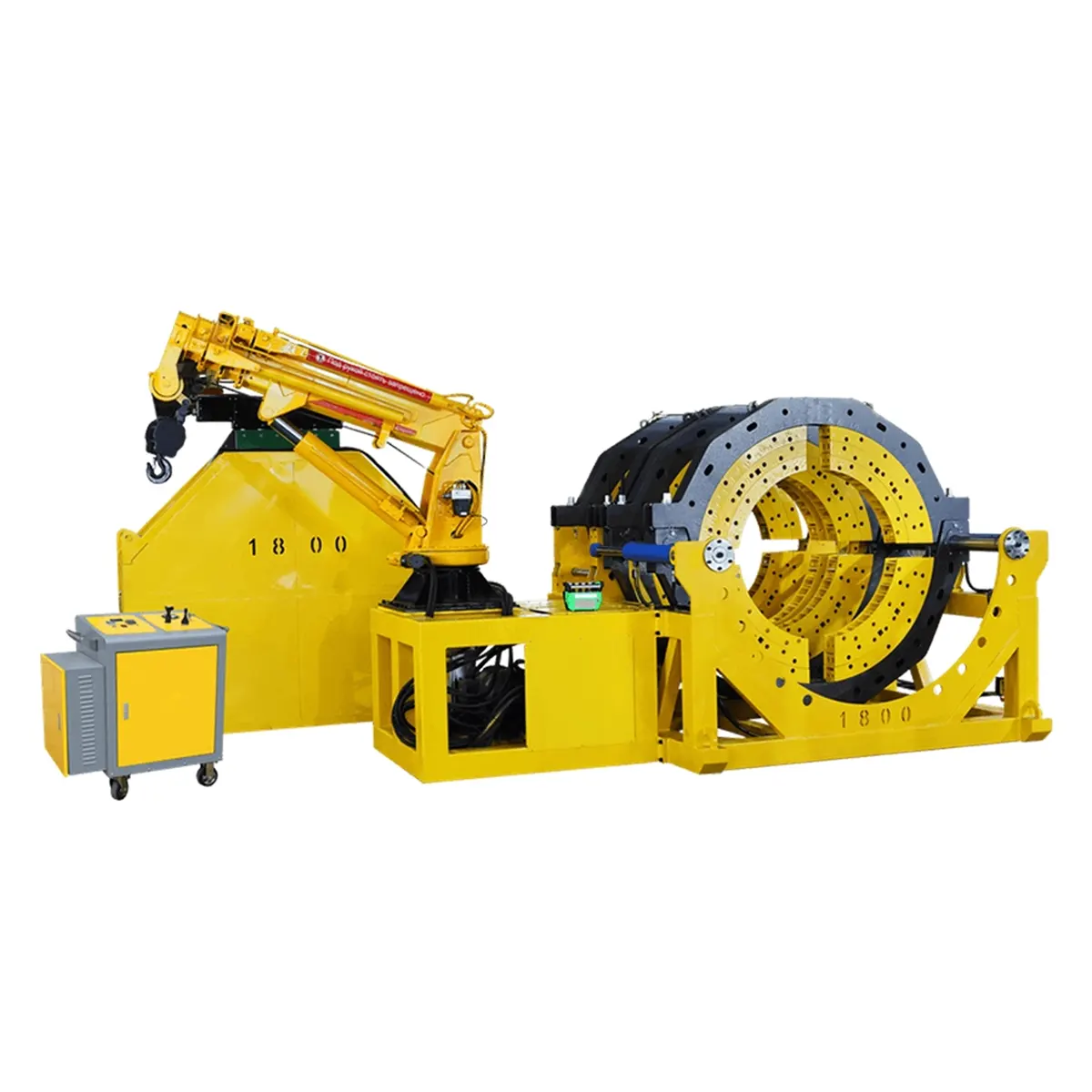
| Hydraulic Butt Fusion | 160–2250 mm | Large municipal & industrial lines | Medium | High clamping force for reliable large-diameter welds |
| Automatic / CNC | 63–1250 mm | High-volume, quality-controlled projects | Low | Process control & weld traceability |
Selecting Equipment for Kenyan Conditions
When procuring welding machines for projects in Kenya, consider site access, power supply, and availability of spare parts. Machines with simple electro-mechanical designs are easier to maintain in remote counties, while automatic units deliver faster cycle times for major trunk lines around Nairobi, Mombasa, and major towns. Also evaluate warranty, local training, and on-the-ground technical support to reduce downtime.
Operation, Maintenance & Safety Tips
Regularly calibrate heaters and clamps to meet fusion parameters. In Kenya’s humid coastal and dusty inland environments, keep heating plates and control panels clean and protected. Basic training for operators reduces weld failures — ensure teams follow manufacturer-recommended heating and cooling cycles and use correct pipe scrapers and heaters. For safety, provide PPE and follow local site regulations when welding near live utilities.
After-Sales, Training & Local Support
Reliable after-sales service and training are essential for sustained performance. Choose suppliers who can provide spare parts, remote troubleshooting, and operator training tailored to Kenyan project crews. For international procurement, confirm shipping timelines and customs clearance support to avoid project delays.
A Trusted Manufacturer
JQ-Fusion produces a broad range of butt fusion machines — from portable manual units to large hydraulic and CNC systems — engineered to meet diverse pipeline demands worldwide.
Final Considerations for Buyers in Kenya
Balance cost, portability, and long-term serviceability when selecting HDPE welding equipment. For county governments, water utilities, and contractors, investing in the right machine reduces leak risks and lifecycle costs. Prioritise machines with clear operating procedures, available spare parts, and training options to ensure successful installations and fast repairs across Kenya’s varied project environments.



