
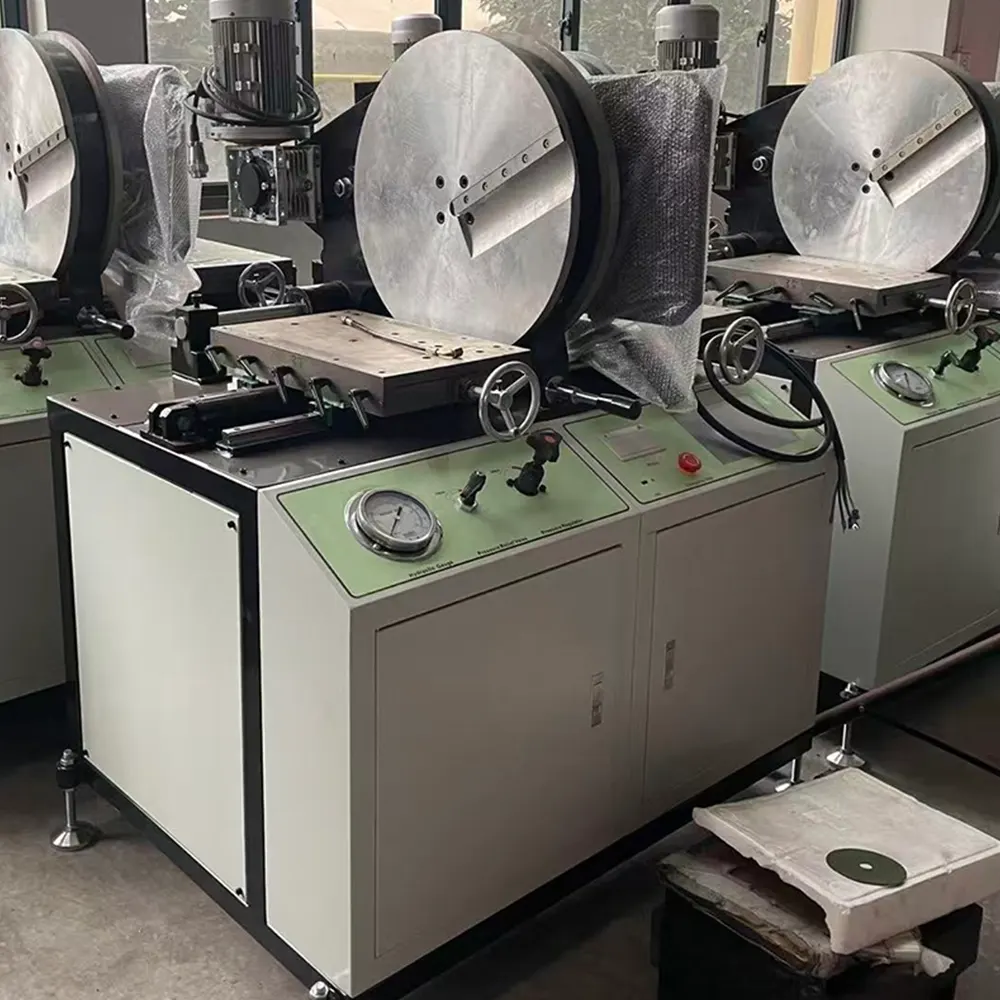
Setting up a hydraulic butt fusion machine correctly is one of the most important steps in producing strong, leak-free pipe joints. In HDPE pipeline construction, the quality of the fusion process depends not only on the machine itself, but also on how carefully the operator prepares the equipment, aligns the pipes, controls temperature, and manages pressure throughout the welding cycle. A well-prepared setup reduces joint failure, improves weld consistency, and helps contractors complete projects with greater confidence.
For water supply systems, gas distribution networks, mining pipelines, and industrial installations, the difference between a good weld and a poor one can come down to a few critical setup details. That is why professional teams often rely on a reliable butt fusion machine designed for stable hydraulic pressure, accurate heating, and precise alignment. When the machine is set up properly, the fusion process becomes smoother, safer, and more repeatable on site.
Key point: the machine setup is not just a starting task. It directly affects the final pipe joint strength, appearance, and long-term reliability. Even a high-quality machine can produce weak welds if the operator overlooks leveling, cleaning, clamping, or temperature control.
Understand the Role of a Hydraulic Butt Fusion Machine
A hydraulic butt fusion machine is used to heat the pipe ends and press them together under controlled force, creating a permanent molecular bond. Unlike mechanical joining methods, butt fusion forms a seamless joint that performs well under pressure and in demanding environments. The hydraulic system provides steady clamping and fusion pressure, which is essential for achieving uniform bead formation and correct weld penetration.
Modern hydraulic systems are widely used because they improve consistency and reduce operator fatigue. In many field projects, especially large-diameter pipe jobs, hydraulic control is the difference between manual guesswork and repeatable precision. Manufacturers such as JQ-Fusion focus on stable design, testing, and customization to support varied project requirements, which is especially important when working with different pipe sizes and jobsite conditions.
Why hydraulic control matters: it helps maintain even pressure, keeps the pipe ends aligned, and reduces the risk of human error during the fusion cycle.
Prepare the Work Area Before Setup
Before assembling the machine, choose a stable, level surface with enough space for the pipes, heating plate, facer, and control unit. A clean work area is essential because dust, mud, moisture, and debris can contaminate pipe ends and damage the fusion surface. If the environment is windy, rainy, or extremely cold, operators should take additional measures to protect the equipment and maintain proper heating conditions.
Also make sure the machine is positioned so that the operator can easily access the control panel and monitor the pipe ends during each stage. Good site organization improves efficiency and helps prevent mistakes. The pipe lengths should be supported adequately so they do not sag or shift during alignment.
Checklist for the site: level ground, clean pipe ends, enough working clearance, stable pipe supports, and protection from environmental interference.
Inspect the Machine Components
Before starting the fusion process, inspect all major components of the hydraulic butt fusion machine. This includes the frame, clamps, hydraulic unit, heater plate, facer, electrical connections, and pressure gauge. Any sign of wear, leakage, or damage should be addressed before operation. A machine in poor condition can create unstable pressure or uneven heating, both of which affect weld quality.
The operator should also verify that the heating plate is clean and free of residue. The facer blades should be sharp enough to produce smooth pipe ends. Hydraulic hoses and connectors must be secure and leak-free. If the machine includes digital or automatic controls, confirm that the system is calibrated and functioning correctly.
Professional suppliers often conduct strict quality control before delivery, checking temperature accuracy, clamp alignment, and hydraulic stability. This kind of pre-shipment testing helps users get more predictable performance in real project conditions.
Important components to check
Heater plate: must reach and maintain the correct fusion temperature.
Hydraulic unit: should provide smooth and stable pressure without fluctuations.
Clamps and jaws: must hold the pipe firmly and keep it centered.
Facer: should produce even, parallel pipe surfaces for proper contact.
Position and Secure the Pipes Correctly
Pipe positioning is one of the most critical parts of the setup. The pipes must be placed in the machine so the ends are centered, aligned, and supported. If the pipe edges are not properly squared and matched, the resulting weld may have internal stress or weak areas. The clamping system should hold both pipe ends firmly without deforming them.
After placing the pipe, tighten the clamps enough to keep the pipe from moving, but avoid excessive force that could ovalize the pipe. Once fixed, check that both pipe ends are at the same height and lie on the same centerline. Accurate alignment helps ensure that the fusion bead forms evenly around the joint.
Tip: if the pipe diameter is large, use proper pipe rollers or supports to prevent bending and reduce alignment stress on the clamps.
Face the Pipe Ends for a Clean Fusion Surface
Facing removes the outer oxidized layer and creates flat, parallel pipe ends. This step is essential because fusion can only occur properly when both surfaces contact each other evenly. After clamping the pipes, insert the facer and begin machining the ends until a continuous shaving appears on both sides. The shaving should be uniform, indicating that the pipe faces are truly parallel.
Once facing is complete, remove the facer carefully and inspect the newly cut surfaces. Do not touch the prepared ends with dirty gloves or tools. Any contamination introduced at this stage may weaken the final weld. The operator should confirm that the gap between pipe ends is within the recommended tolerance before moving to the heating stage.
Do not skip inspection: poor facing can lead to misalignment, incomplete fusion, and visible joint defects even if the heating temperature is correct.
Set the Heating Plate Temperature Properly
The heating plate must reach the correct temperature before the fusion cycle begins. If the temperature is too low, the pipe ends may not melt enough to bond properly. If it is too high, the material can degrade or create excessive molten material that weakens the joint. Most machines require a stable temperature range based on pipe material and specification, so operators should always follow the recommended welding parameters.
Allow enough time for the heating plate to stabilize after it reaches the target temperature. Use the machine’s display or thermometer, if available, to verify accuracy. In professional settings, temperature control is one of the reasons advanced manufacturers emphasize testing and calibration. Stable heating ensures that every weld follows the same process conditions.
When the plate is ready, keep it clean and free from dirt, oxidized residue, or oil. Even small surface contamination can affect heat transfer and lead to poor fusion quality.
Heating plate best practices
Warm-up fully: do not start fusion until the plate is stable.
Keep it clean: wipe the plate according to the machine’s operating instructions.
Avoid temperature drift: check stability regularly during long welding sessions.
Perform the Fusion Cycle with Controlled Pressure
After the pipe ends are heated, the operator removes the heater plate and quickly brings the molten surfaces together. The hydraulic system applies the correct fusion pressure, allowing the pipe materials to bond. Timing is important because the heated surfaces begin cooling immediately after the heater plate is removed. The process must be smooth, fast, and consistent.
The initial bead should form evenly around the pipe circumference. Once contact is made, maintain the specified pressure for the required cooling period. Do not move the pipes during this stage. Any vibration or disturbance can compromise the joint. The hydraulic unit should maintain pressure without abrupt changes, which is why a stable machine design is essential for reliable performance.
Remember: the weld is created not only by heat, but by the correct combination of temperature, time, pressure, and alignment.
Monitor Cooling and Final Joint Quality
After the fusion cycle, the joint must cool under pressure for the recommended duration. Cooling time is necessary for the molten material to solidify into a strong, stable bond. Removing pressure too early can distort the bead and weaken the joint. The operator should follow the process parameters for the pipe material, diameter, and wall thickness.
When cooling is complete, inspect the bead shape and the overall symmetry of the joint. A successful weld usually shows a consistent bead around the circumference with no obvious gaps, burns, or misalignment. If the joint appearance is irregular, the operator should review the setup steps and determine whether the issue came from alignment, temperature, cleaning, or pressure control.
In real construction projects, visual inspection is often combined with project-specific testing methods to confirm weld integrity. This extra verification is especially important in systems where failure could affect safety or service continuity.
Why Reliable Manufacturers Make a Difference
Not every hydraulic butt fusion machine performs the same way. Equipment built with stronger engineering, better machining, and stricter inspection can make setup easier and results more stable. A professional manufacturer like JQ-Fusion offers manual, hydraulic, and CNC automatic solutions for different pipeline needs, along with customization for voltage, color, branding, and configuration.
When a machine is designed for stable performance, contractors can reduce troubleshooting time and focus more on the actual welding work. This is especially useful for global pipeline projects where delivery timelines are tight and working conditions vary from site to site. Reliable manufacturing, large inventory, and strong technical support all help improve project efficiency and reduce downtime.
Industry value: a good machine does not replace skill, but it gives skilled operators the control they need to produce better welds consistently.
Common Setup Mistakes to Avoid
Many weld failures begin with simple setup errors. One common mistake is failing to level the machine, which can cause pipe misalignment. Another is skipping the cleaning step, leaving dirt or oxidation on the fusion surface. Some operators rush the heating cycle or use unstable pressure, while others overlook cooling time.
To avoid these issues, the operator should follow a consistent procedure for every joint. This means inspecting the machine, preparing the pipes, setting the correct temperature, managing pressure carefully, and allowing full cooling before handling the joint. Good habits lead to repeatable weld quality and longer pipeline service life.
Practical Setup Tips for Better Field Results
Field welding often takes place in challenging environments, so preparation matters even more. Keep spare cleaning materials, calibration tools, and consumables nearby. Train operators to recognize abnormal pressure readings, heater instability, or clamping issues before starting the fusion cycle. If the project involves multiple pipe sizes, verify that the machine configuration matches the required diameter range.
Good documentation also helps. Recording temperature, pressure, heating time, and cooling time creates a useful reference for quality control and troubleshooting. Over time, this approach improves process consistency and makes it easier to maintain standards across different teams and job sites.
Conclusion
Setting up a hydraulic butt fusion machine properly is the foundation of high-quality pipe welding. From site preparation and component inspection to pipe alignment, facing, heating, fusion, and cooling, every step contributes to the strength and reliability of the final joint. Careful setup reduces defects, improves productivity, and supports long-term pipeline performance.
For contractors, distributors, and project managers, choosing a dependable machine from an experienced manufacturer can make the entire process easier and more consistent. With strong hydraulic control, accurate heating, and durable construction, a professional butt fusion machine becomes a valuable tool for modern HDPE pipeline projects.
Frequently Asked Questions
Q1: What is the most important step before fusion starts?
Pipe alignment and clean, properly faced pipe ends are among the most important setup steps because they directly affect joint quality.
Q2: Why must the heating plate temperature be stable?
Stable temperature ensures the pipe surfaces melt correctly and bond evenly. Too much or too little heat can weaken the joint.
Q3: Can a hydraulic butt fusion machine improve weld consistency?
Yes. Hydraulic pressure helps maintain steady clamping and fusion force, which improves repeatability and reduces operator error.
Q4: What happens if the pipe is not aligned correctly?
Misalignment can create uneven bead formation, internal stress, and weaker joints that may fail under pressure over time.
Q5: How can operators reduce setup mistakes on site?
By following a consistent procedure, checking machine condition, cleaning pipe ends thoroughly, and recording welding parameters for each joint.



