
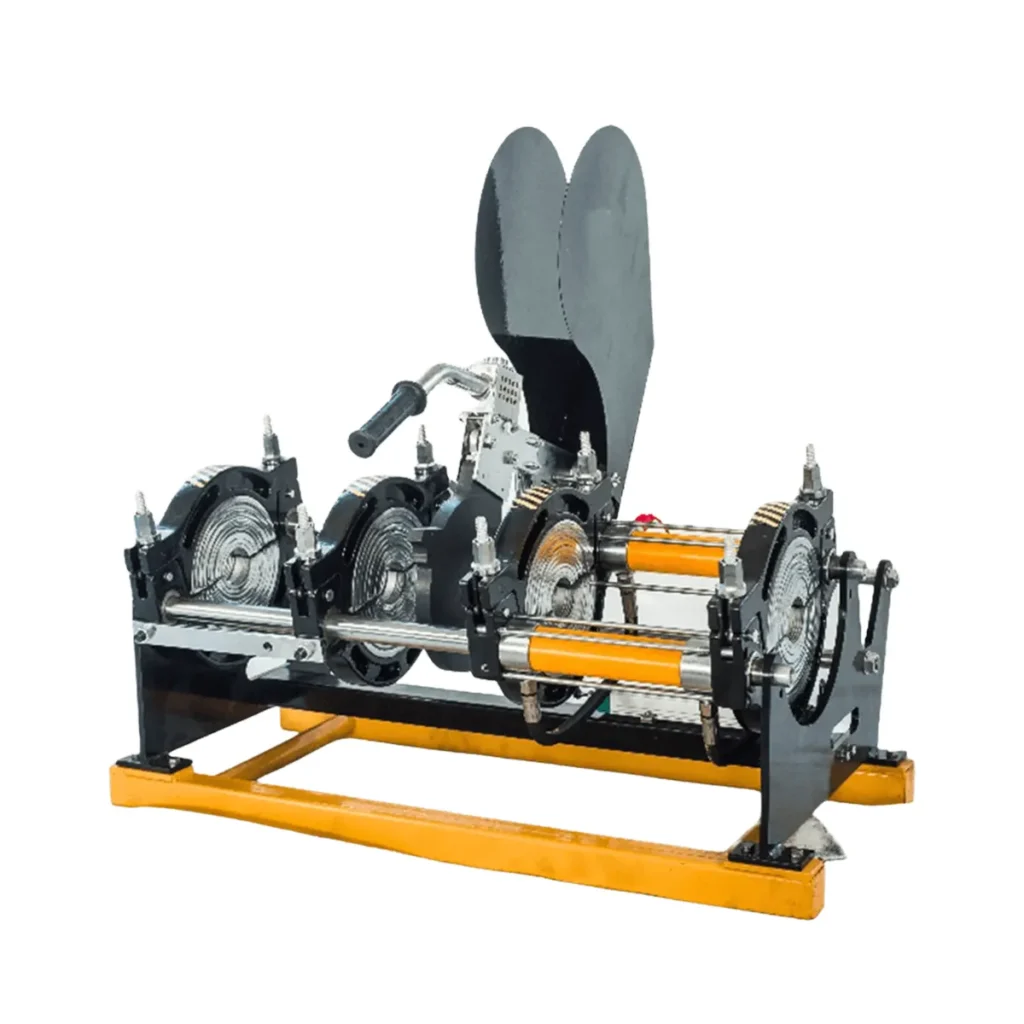
As Ecuador invests in resilient water supply, irrigation for coastal agriculture, and expanding municipal pipeline networks, reliable HDPE pipe welding machines are essential for contractors, utilities, and installers across Quito, Guayaquil, Cuenca and the Sierra. This guide highlights durable butt fusion and electrofusion solutions designed to meet local project conditions — heat, humidity, and rugged field work.
Why Choose the Right HDPE Pipe Welding Machine in Ecuador
Durability matters when crews work in tropical coastal zones or highland regions. Machines with corrosion-resistant components and reliable hydraulic systems reduce downtime during rainy seasons and long pipeline runs. For municipal teams and private contractors, equipment that is easy to transport and maintain is a major advantage.
Common Local Applications
Ecuadorian projects often require:
-
Water supply and distribution upgrades in urban centers
-
Irrigation systems for banana, cocoa and flower farms on the coast
-
Mining and industrial pipelines in the Andean and Amazon regions
-
Rural potable water schemes and community projects
Types of HDPE Welding Machines and When to Use Them
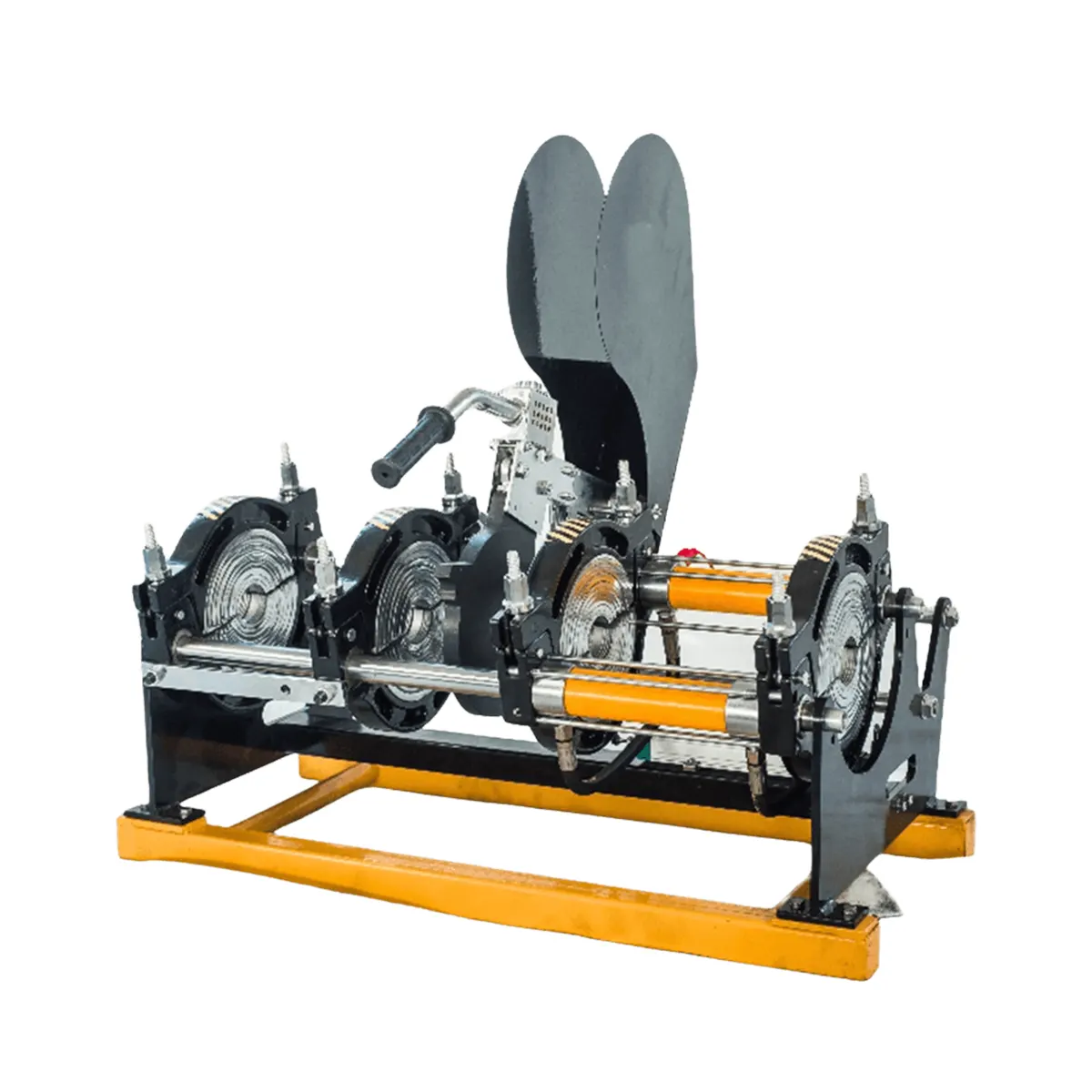
Manual Butt Fusion
Best for small-diameter pipes and remote installations. Lightweight and simple to operate — ideal for community-level water projects and occasional repairs.
Hydraulic Butt Fusion
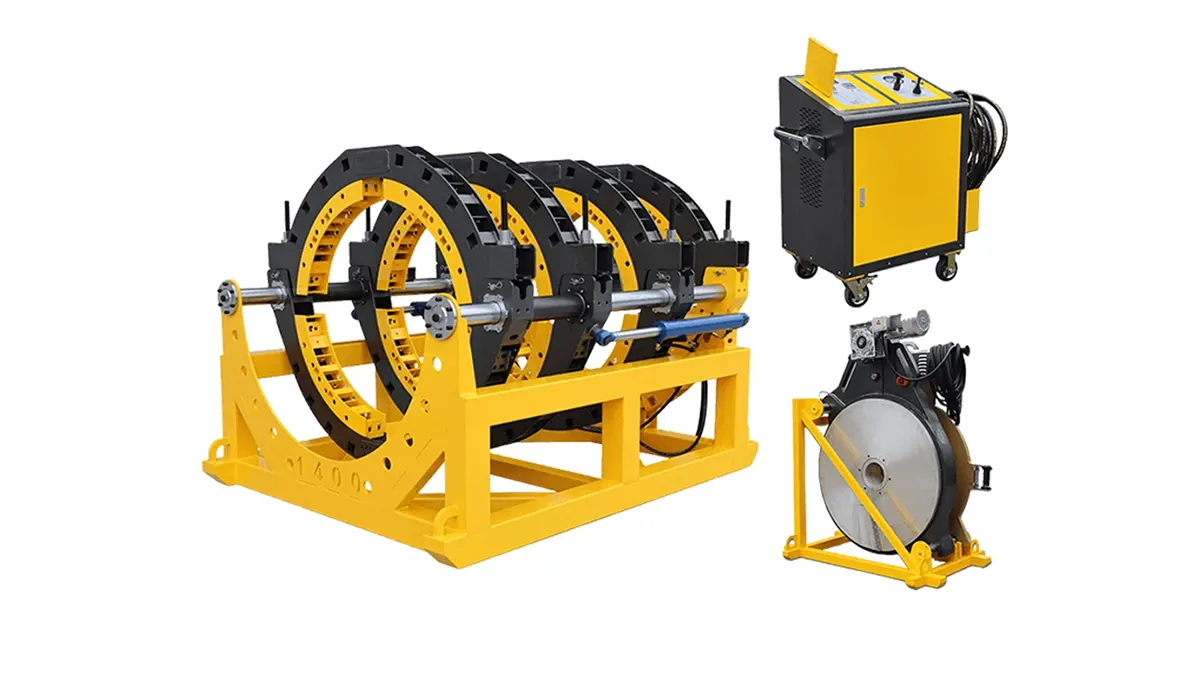
Designed for medium to large diameters and continuous onsite work. Hydraulic models deliver consistent pressure control for high-quality joints on municipal and industrial pipelines.
CNC / Automatic Butt Fusion
Provides precise, repeatable weld cycles and digital process control — preferred for long pipeline contracts, utility networks and projects requiring documented quality assurance.
Electrofusion Machines
Used for fittings and repairs where fusion plates are impractical. Electrofusion offers quick installation in tight spaces and is frequently used by gas and water distributors.
Quick Comparison: Machine Features
| Machine Type | Typical Pipe Range | Best For |
|---|---|---|
| Manual Butt Fusion | 20mm–315mm | Small jobs, remote areas |
| Hydraulic Butt Fusion | 160mm–2250mm | Municipal & industrial installations |
| Automatic / CNC Butt Fusion | 63mm–1600mm+ | Long pipelines, precision-demanding projects |
Selecting the Right Machine for Ecuadorian Conditions
Consider these practical factors when buying in Ecuador:
-
Transportability: Machines should be easy to load for work in mountainous or rural roads.
-
Power supply: Verify local power or generator compatibility for CNC and electrofusion units.
-
Spare parts and service: Quick access to consumables and repair support reduces downtime on long contracts.
-
Choose models rated for humidity and salt-air corrosion in coastal project sites.
Installation and Training Tips for Local Teams
Training local welders on standardized fusion procedures and documentation helps municipalities meet regulatory standards and extends the life of pipeline systems. Emphasize correct preparation, alignment, and cooling times to achieve leak-free joints.
After-Sales Support and Warranty Considerations
Look for suppliers offering clear warranty terms, remote technical guidance, and routine maintenance packages. A responsive service network is especially valuable for projects outside major cities.
Where to Source Quality Machines
For contractors and distributors seeking proven butt fusion and electrofusion solutions, working with experienced manufacturers ensures consistent performance. JQ-Fusion combines a broad product range with field-tested reliability to support infrastructure projects across Ecuador.
Get Started
Assess your project scope — pipe diameters, expected daily weld count, and site conditions — then choose between manual, hydraulic, or automatic systems with appropriate on-site support. Proper selection reduces rework, saves time, and improves long-term network reliability.



