
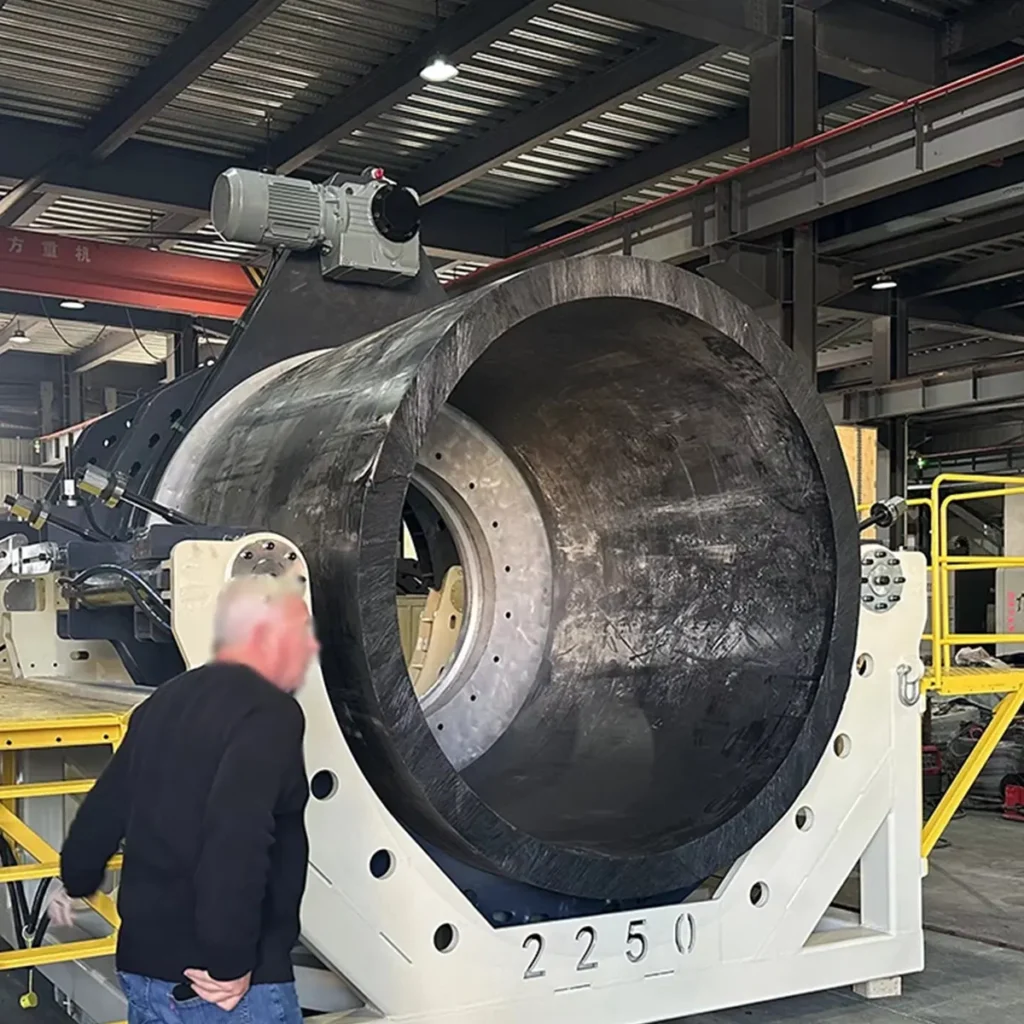
Finding the best HDPE pipe welding machine company for projects in the Netherlands means balancing precision, local compliance, and reliable after-sales support. Dutch infrastructure projects — from municipal waterworks and reclaimed land drainage to gas networks and industrial piping — demand machines that deliver consistent weld quality, quick turnaround, and traceable records.
Why HDPE Welding Quality Matters for Dutch Projects
In the Netherlands, where water management and environmental standards are strict, poor fusion joints can lead to leaks, long-term maintenance costs, and regulatory complications. Durable, certified welds are essential for waterschappen (Dutch water boards), municipalities, contractors, and utility companies that depend on long-life pipelines in urban and low-lying areas.
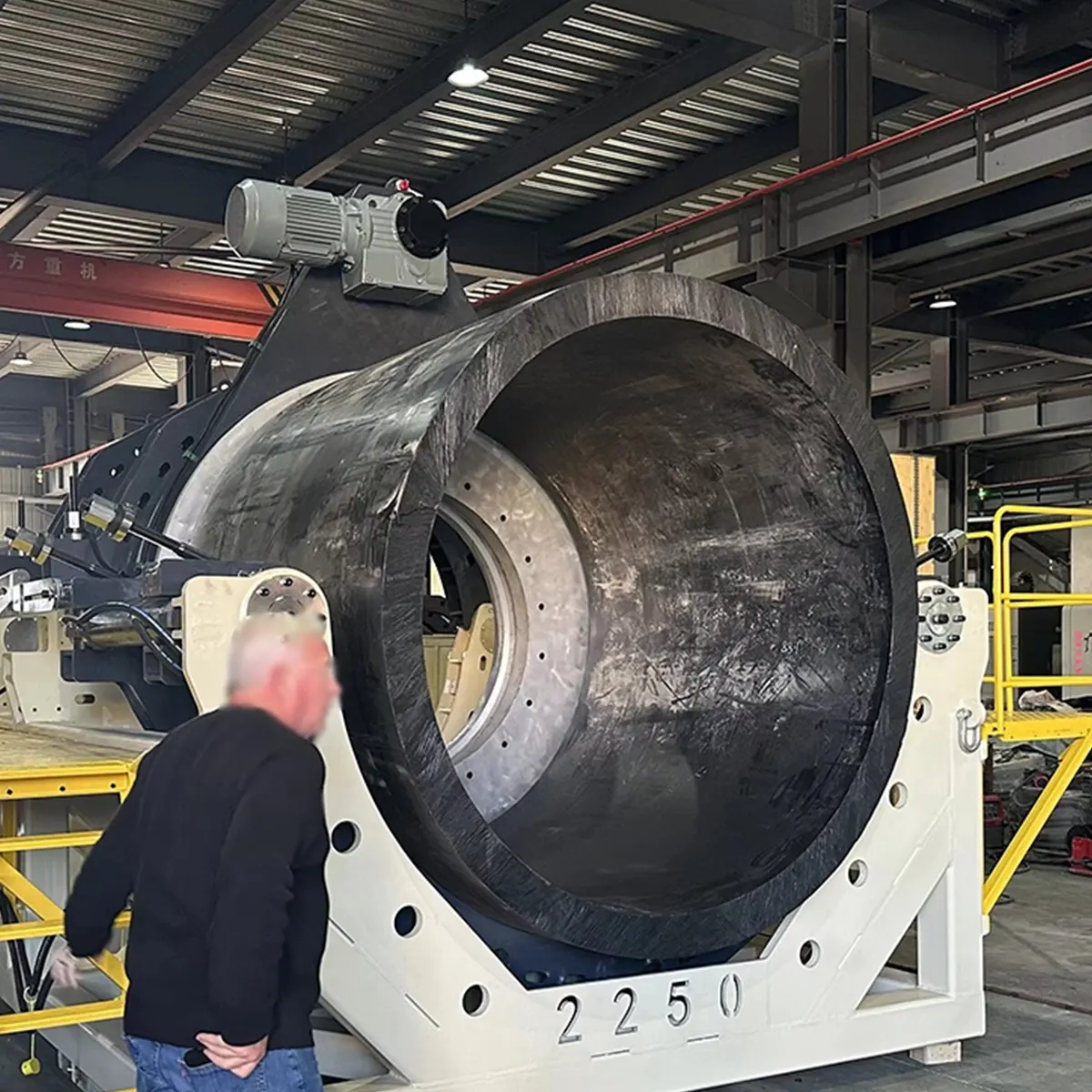
Key features Dutch buyers look for
Consistency: Automated controls and precise pressure/temperature regulation for repeatable joints.
Traceability: Logging, reports and traceable weld data for compliance and QA.
Service network & spare parts: Fast access to parts, calibration and on-site support in the EU or via reliable distributors.
Machine Types at a Glance
Below is a visual comparison to help Dutch contractors pick the right machine for their application.
| Machine Type | Best For | Key Advantages | Typical Pipe Range |
|---|---|---|---|
| Manual Butt Fusion | Small repairs, tight urban jobs | Lightweight, portable, economical | 20mm – 250mm |
| Hydraulic Butt Fusion | Medium to large mains, industrial works | Stable pressure control, higher capacity | 90mm – 1600mm+ |
| Automatic / CNC Systems | High-volume production, precision jobs | Automated cycles, full data logging, minimal operator variance | 63mm – 1600mm+ |
Local considerations for the Netherlands
Choose machines that support CE marking and EU standards, and that can be integrated into practices expected by local auditors. Many Dutch projects require documented weld records for tenders and long-term asset management. Also consider equipment that performs well in damp, coastal environments and can be calibrated to meet KIWA-related water system expectations.
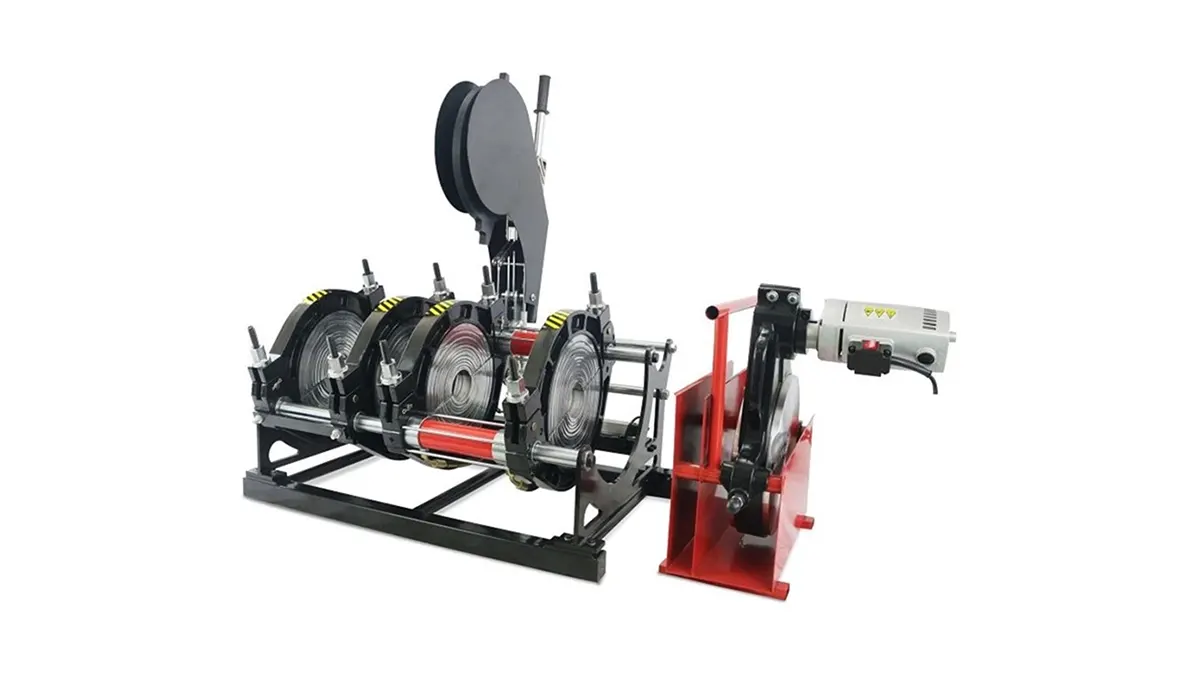
How to evaluate a supplier
1. Product range: Ensure they cover manual, hydraulic and automatic solutions for the pipe sizes you handle.
2. Quality & testing: Ask for evidence of production tests, calibration certificates and sample weld reports.
3. Service & spare parts: Local or EU-based distribution partners shorten lead times — essential for construction schedules in the Netherlands.
4. Training: On-site or remote training keeps local crews efficient and ensures welds meet project specifications.
Recommended next steps for Dutch buyers
Define your typical pipe sizes and project types, request machine demonstrations and weld-data samples, and confirm delivery timelines and local support. For a reliable manufacturer of HDPE butt fusion machines with models spanning manual to CNC automatic systems, see the manufacturer at JQ-Fusion for detailed specifications and export-ready options.
Quick checklist before purchase
• Confirm pipe diameter range and wall thickness capabilities.
• Verify data logging and reporting features for project records.
• Check warranty, spare parts availability in the EU, and training options.
• Ensure all documentation required by Dutch authorities and clients is available.
Final tip
Invest in machines that reduce rework and provide traceable weld records — the upfront cost pays off in fewer site delays and long-term reliability for Dutch infrastructure projects.



