
Choosing the best HDPE welding machine in Finland means balancing performance, reliability, and compliance with local climate and regulations. In regions with cold winters, long distances between job sites, and strict infrastructure standards, the right machine improves weld quality, reduces downtime, and protects investment. This guide helps Finnish contractors, utility teams, and pipeline installers pick the optimal butt-fusion or electrofusion solution.
Understand Finnish Project Needs
Finland’s infrastructure projects—water, gas, district heating, and forestry or mining pipelines—often require equipment that works well in low temperatures, on remote sites, and under strict documentation requirements. Prioritize machines with robust thermal control, reliable hydraulics, and data logging to satisfy public utility audits and contract traceability.
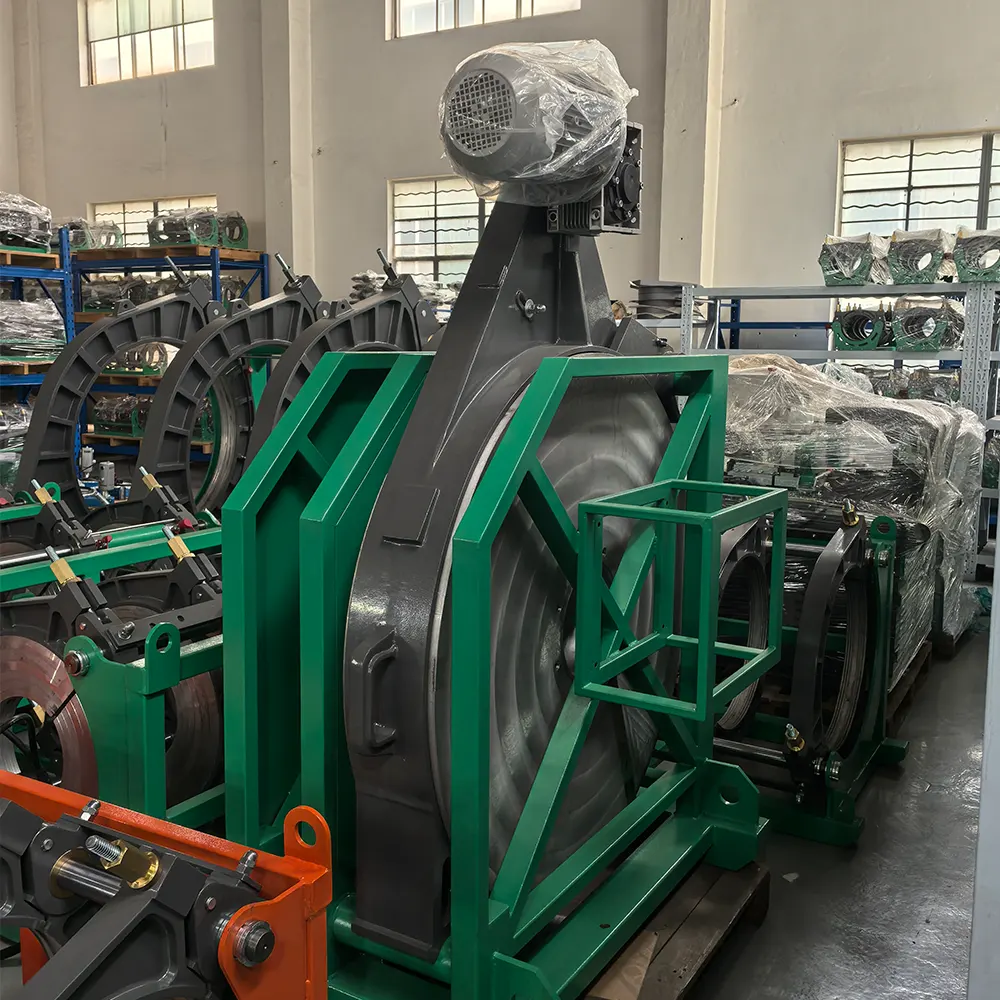
Which Type of HDPE Welding Machine Fits Your Work?
Manual Machines
Best for small contractors and occasional repairs. Manual machines are portable and cost-effective but demand skilled operators to maintain consistent pressure and alignment—important in cold conditions where materials stiffen.
Hydraulic Machines
Ideal for medium to large jobs in Finland because of steady clamping force and better control on larger diameters. Hydraulic systems cope well with repeated cycles and heavy-duty field use.
Automatic/CNC Machines
Recommended for contractors handling high volumes or long-term municipal projects. Automatic welding machines provide precise parameters, programmable cycles, and weld traceability—very helpful for compliance with European standards and Finnish procurement documentation.
Key Technical Features to Prioritize
- Temperature control and heater plate quality — stable heat at low ambient temperatures avoids cold joints.
- Pressure and displacement monitoring — consistent axial force prevents weak welds, especially with large-diameter pipes.
- Traceability & data logging — digital records of cycle parameters help meet regulatory and client reporting.
- Power options — battery, generator compatibility, or mains connection for remote Finnish sites.
- Portability vs. durability — lighter frames for forestry and km-long trench work; rugged frames for heavy industrial sites.
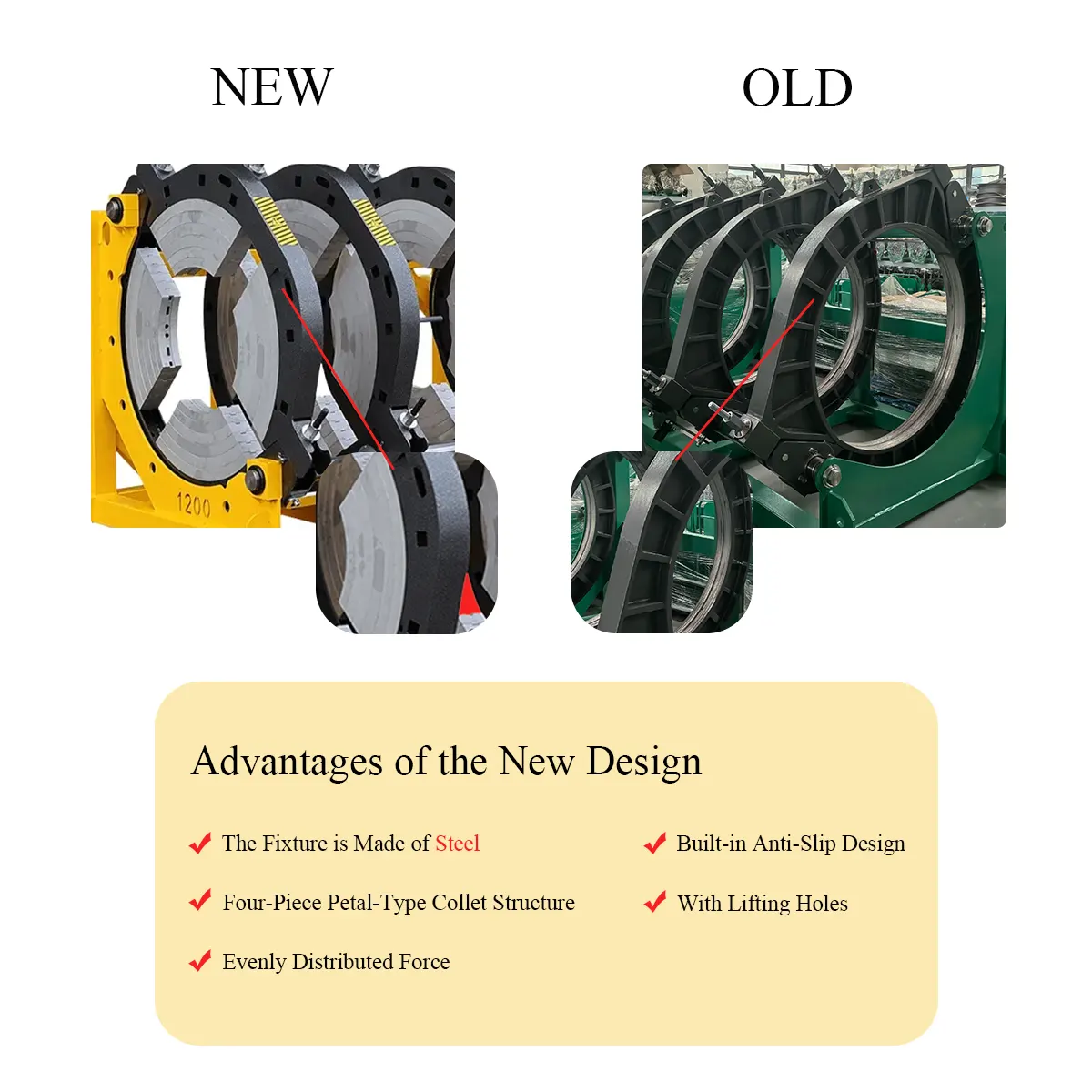
Quick Comparison Table
| Machine Type | Strengths | Best Use in Finland |
|---|---|---|
| Manual | Lightweight, low cost | Repairs, small-diameter urban lines |
| Hydraulic | High clamping force, durable | Medium to large distribution pipelines |
| Automatic/CNC | Precise, data logging, faster cycles | Municipal projects, long-term contractors |
Regulations, Standards & Certifications
Ensure the machine and welding procedure meet relevant European standards (such as EN standards for thermoplastics) and local Finnish utility requirements. Machines with CE marking and documented calibration procedures make tendering and acceptance smoother. Ask for calibration certificates and welding procedure qualifications (WPQR) when purchasing.
Environmental & Site Considerations
Account for low temperatures and snow cover in winter months—choose machines with heater plates and spacers that maintain heat quickly. For remote locations, verify transportation logistics and on-site power availability. Machines with modular components are easier to service in the field.
Service, Training & After-Sales Support
Local or reliable international support is crucial. Prioritize suppliers who offer operator training, spare parts availability, and clear maintenance schedules. A strong warranty and responsive technical assistance reduce downtime on tight Finnish project timelines.
Buying Checklist for Finnish Buyers
- Confirm pipe diameter range and pressure class compatibility.
- Verify heating plate temperature control and spare plate availability.
- Request demonstration or sample weld reports relevant to low-temperature conditions.
- Check data logging and export formats for records and audits.
- Assess transportability for snow/forest terrain and trailer compatibility.
Maintenance and Operator Safety
Regularly inspect heaters, clamps, hydraulic seals, and electronic sensors. Maintain a pre-welding check routine and train teams on safe handling in icy and confined conditions. Proper maintenance extends machine life and ensures consistent weld integrity.
Final Tip
For reliable butt-fusion and electrofusion solutions tailored to Nordic conditions, consider proven manufacturers that provide durable hydraulics, accurate temperature control, and full documentation for project traceability. JQ-Fusion offers a range of manual, hydraulic, and CNC automatic butt fusion machines designed to meet diverse pipeline needs.



