
Zimbabwean contractors, municipal engineers, and mining operators are increasingly turning to HDPE pipe systems for water distribution, gas networks, and industrial pipelines. Reliable jointing equipment is critical for long-lasting installations — from remote rural borehole projects to large urban trunk mains. This guide explains how modern HDPE jointing machines and butt fusion technology deliver durable, cost-effective results across Zimbabwe.
Why HDPE Butt Fusion Is Ideal for Zimbabwe’s Infrastructure
HDPE pipe systems resist corrosion, handle ground movement, and reduce leakage — key advantages in Zimbabwe’s varying climates and soils. Butt fusion welding creates uniform, homogenous joints that match the pipe’s strength and flexibility, reducing maintenance needs for municipal water networks, irrigation schemes, and mining slurry lines.
Common Applications Across Zimbabwe
From Harare’s water upgrades to rural irrigation and the mining belt, HDPE welding solutions are used for:
- Drinking water and sanitation — leak-free mains and connections.
- Irrigation — UV-resistant and flexible pipelines for farms and cooperatives.
- Mining and industrial — abrasion and chemical-resistant lines for slurry and process water.
- Gas distribution — certified, secure joints for LPG and natural gas networks.
Types of HDPE Jointing Machines
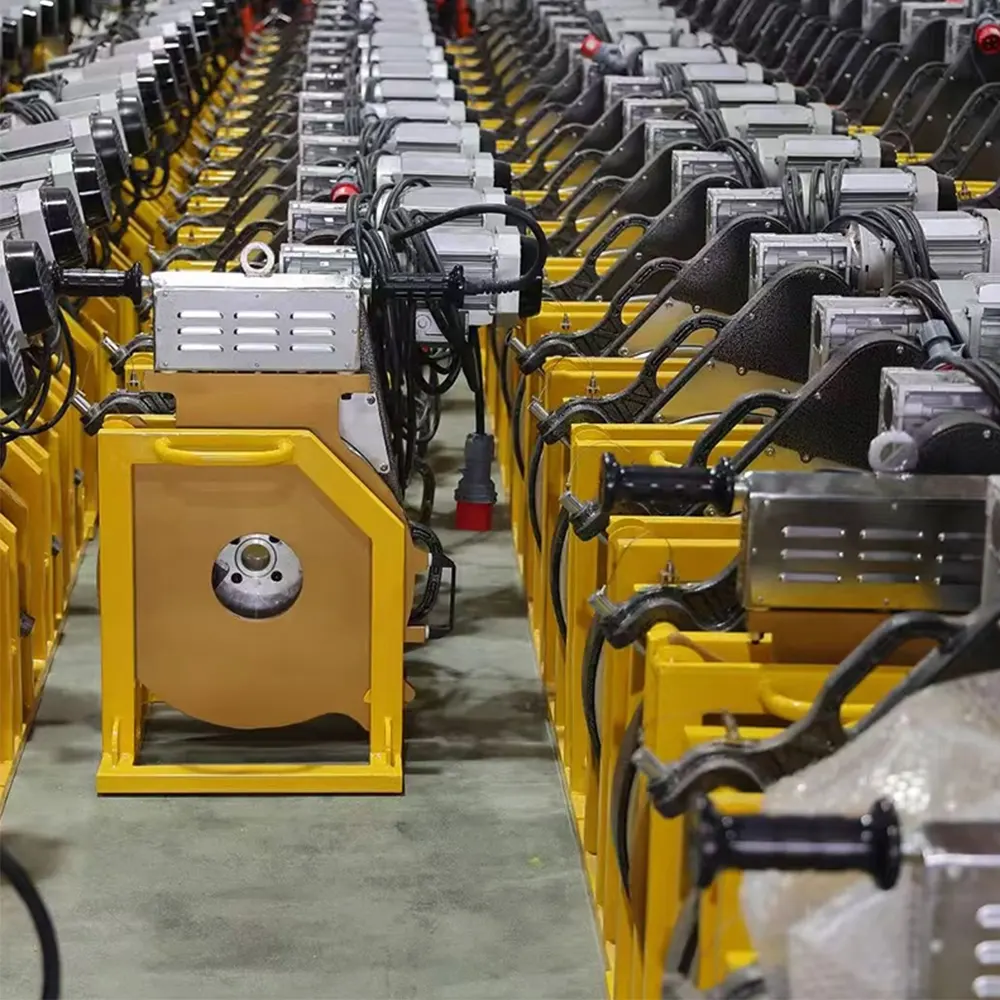
Selecting the right machine depends on pipe diameter, site conditions, and production needs. The main categories are:
- Manual Butt Fusion Machines — lightweight and portable, ideal for small-diameter lines and rural teams.
- Hydraulic Butt Fusion Machines — provide higher clamping force and repeatability for mid to large diameters used in municipal and industrial projects.
- Automatic / CNC Butt Fusion Machines — suited for high-volume or precision welding on major infrastructure projects.
Performance Comparison
| Machine Type | Best For | Diameter Range | Key Benefit |
|---|---|---|---|
| Manual | Small projects & remote sites | 20mm–400mm | Portable, low-cost, easy to maintain |
| Hydraulic | Municipal & industrial lines | 63mm–2000mm+ | Stable force, high repeatability |
| Automatic / CNC | Large projects & factory fusion | 160mm–1600mm+ | Precision, traceable weld reports |
Selecting the Right Unit for Zimbabwe Projects
Key factors to evaluate:
- Project scale — single rural repairs vs. long-distance trunk mains.
- Transport & terrain — choose portable units for remote fields and heavier hydraulic units for fixed-site works.
- Operator skill level — automatic machines reduce variability for less experienced teams.
- After-sales support — availability of spares and training in-country speeds deployment and minimizes downtime.
On-site Best Practices for Weld Quality
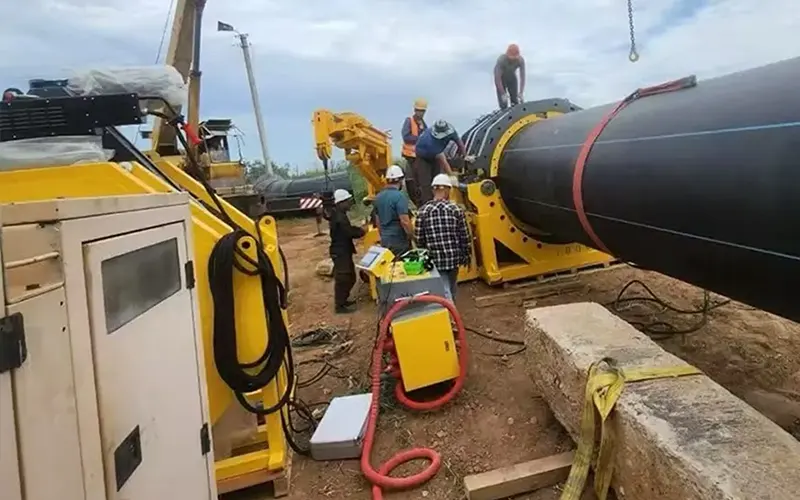
To ensure long-term, leak-free joints in Zimbabwean conditions, follow these essentials:
- Keep fusion surfaces clean and dry — dust and sand common on open sites can contaminate welds.
- Follow correct heating and cooling cycles — ambient temperatures affect cycle times.
- Document weld parameters — especially for potable water and gas installations requiring traceability.
- Invest in operator training — a well-trained crew improves uptime and reduces rejects.
Trusted Supplier
JQ-Fusion (https://jq-fusionwelding.com/) manufactures a full range of butt fusion machines — manual, hydraulic, and automatic — designed for global infrastructure projects, with options suited to Zimbabwe’s municipal, agricultural, and mining sectors.
Next Steps for Procurement and Deployment
Start with a site survey to define diameter ranges and mobility needs. Request machine specifications and welding procedure documents. Consider local training packages and spare-parts kits to keep uptime high. For large programs, automated weld logging and higher-capacity hydraulic units will improve productivity and quality assurance.
Durable HDPE systems plus the right jointing machine ensure fewer leaks, lower lifecycle costs, and more resilient infrastructure for Zimbabwe’s communities and industries.



