
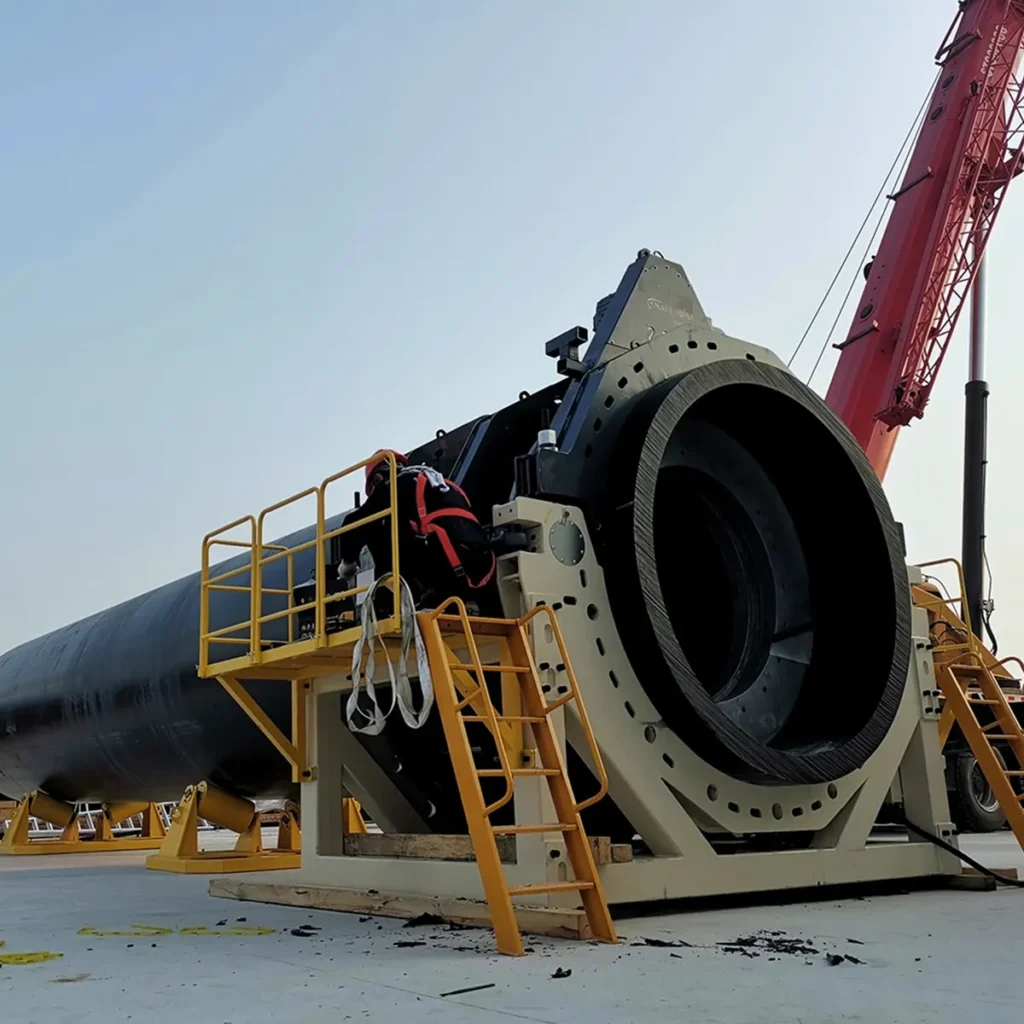
HDPE welding is the backbone of modern pipeline projects across Ethiopia — from municipal water networks in Addis Ababa to irrigation systems in the Rift Valley and gas distribution in industrial zones. Selecting the right HDPE welder ensures long-lasting joints, fewer leaks, and reliable service in demanding local conditions.
Why HDPE Welders Matter in Ethiopia
Durability and leak-free connections are essential for projects that face seasonal temperature swings, dusty environments, and sometimes limited access to continuous power. HDPE pipe welding (butt fusion and electrofusion) produces homogeneous joints that outperform mechanical fittings in resilience and maintenance needs — a major advantage for Ethiopia’s expanding water and agricultural infrastructure.
Types of HDPE Welders — Quick Guide
- Manual/Portable Butt Fusion — Best for remote rural works and on-site repairs where mobility is key.
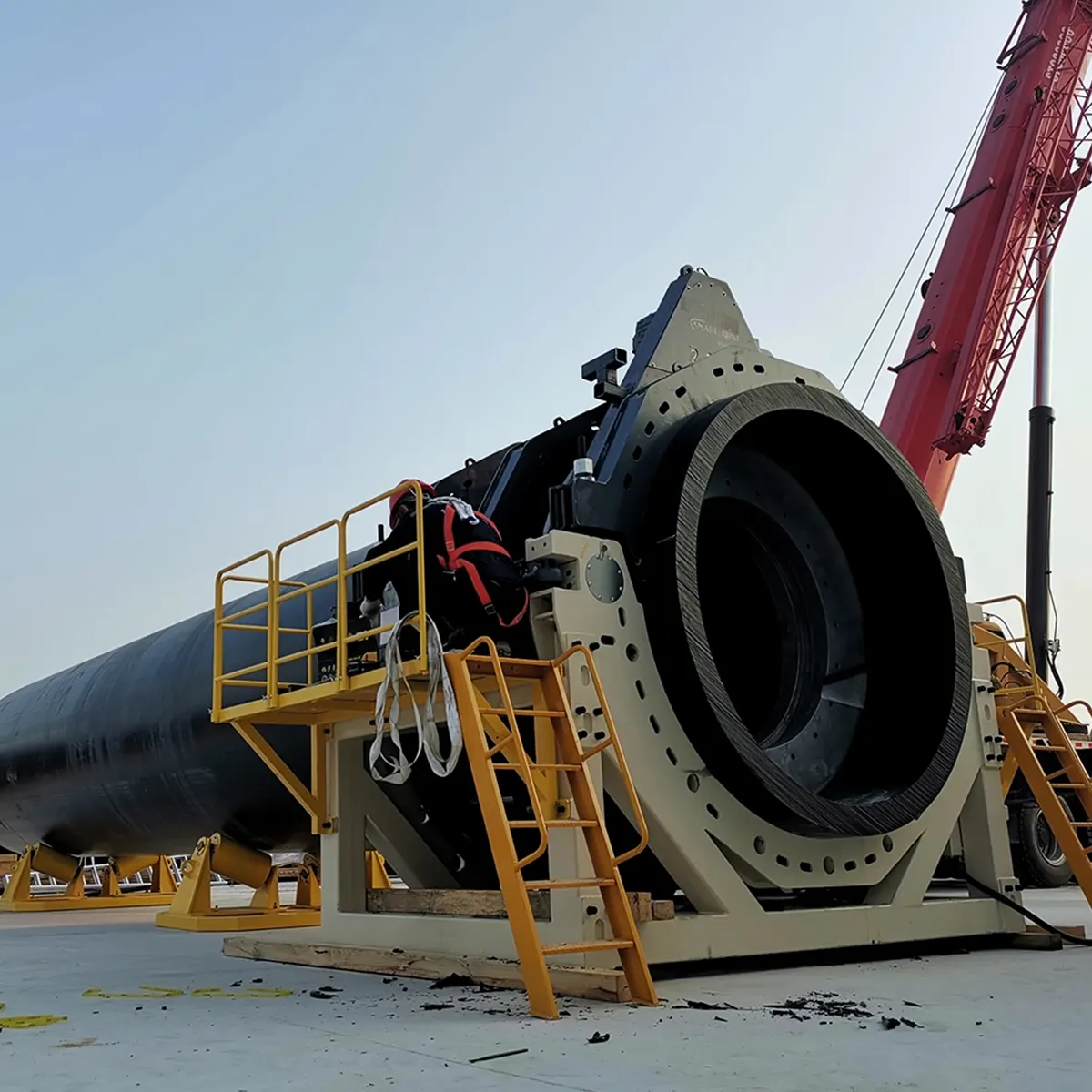
- Hydraulic Butt Fusion — Ideal for medium to large diameter pipes in municipal and commercial projects.
- Automatic/CNC Butt Fusion — Used on major trunk lines, large-diameter projects and where process logging is required.
- Electrofusion — Excellent for fittings, repairs, or when working with complex networks and limited workspace.
Choosing the Right Welder for Ethiopian Projects
Consider these local factors when selecting equipment:
- Power availability: In areas with unstable electricity, favor hydraulic or portable units with manual backup.
- Mobility: Remote construction sites require lightweight, easy-to-transport machines.
- Pipe sizes: Match machine capacity to the common diameters used in water and irrigation projects (e.g., 20mm–800mm+).
- Operator skill: Automatic machines reduce operator variability but require trained technicians for setup and maintenance.
- After-sales support & spare parts: Ensure quick access to replacement parts and technical assistance to minimize downtime.
Best Practices for Reliable Welds
- Clean pipe ends thoroughly and check for proper alignment before fusion.
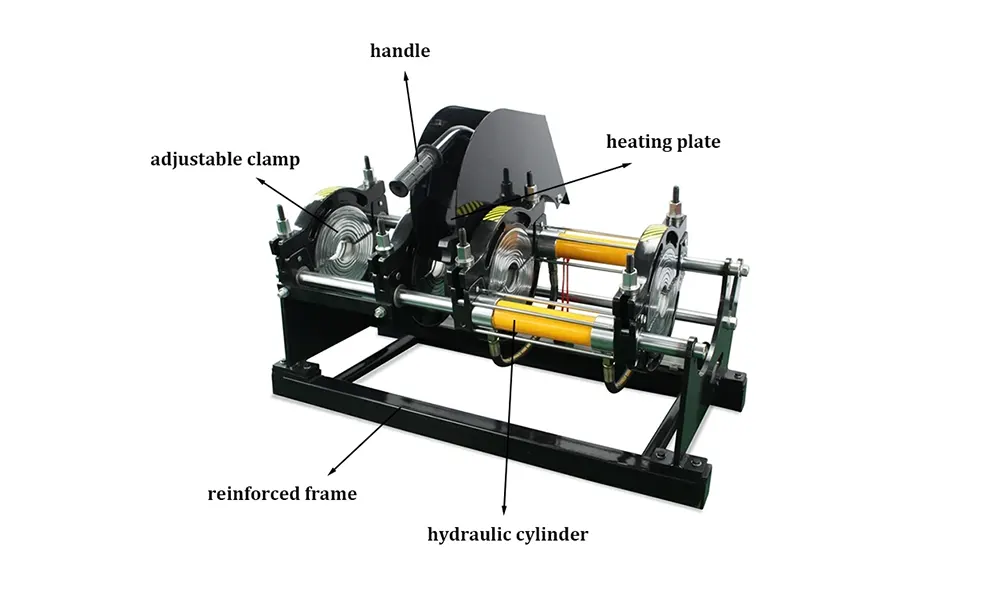
- Follow recommended heating plate temperatures and cooling times per pipe material and diameter.
- Use calibrated equipment and record weld data for critical pipelines to comply with project specifications.
- Train local operators on routine maintenance, troubleshooting, and safe operation.
Common Applications in Ethiopia
– Rural and urban water supply lines
– Agricultural irrigation networks across highland and lowland areas
– Mining and industrial pipelines in resource zones
– Gas distribution and utility connections in industrial parks
Model Comparison — Quick Reference
| Welder Type | Typical Pipe Range | Best For | Advantages |
|---|---|---|---|
| Manual Butt Fusion | 20mm–160mm | Field repairs, remote sites | Portable, low cost, simple to operate |
| Hydraulic Butt Fusion | 63mm–1200mm+ | Municipal and large projects | High force, accurate alignment |
| Automatic/CNC Butt Fusion | 110mm–2000mm+ | Trunk lines, high-volume works | Process control, weld logging |
| Electrofusion | 20mm–800mm (fittings) | Repairs, fittings, tight spaces | Simple jointing, ideal for complex networks |
Maintenance & Training — Keys to Longevity
Regular maintenance routines — cleaning heating plates, checking hydraulic fluids, and inspecting clamps — preserve machine accuracy. In Ethiopia, investing in operator training reduces weld failures and extends equipment life. For larger projects, consider onsite certification programs and digital weld logging for quality assurance.
Why Work with a Specialized Manufacturer?
Partnering with an experienced supplier can simplify procurement, installation, and training. JQ-Fusion offers a range of manual, hydraulic, and automatic butt fusion machines designed to meet diverse project needs and withstand challenging field conditions.
Final Recommendations for Ethiopian Buyers
- Match machine capacity to project scale and pipe diameters.
- Prioritize portability for rural works and automatic control for major trunk lines.
- Ensure after-sales support, spare parts availability, and operator training.
- Adopt documented welding procedures and quality checks to meet international standards.
For technical specifications, models, and export logistics tailored to Ethiopia, evaluate machine options with consideration for local site conditions and workforce capacity.



