
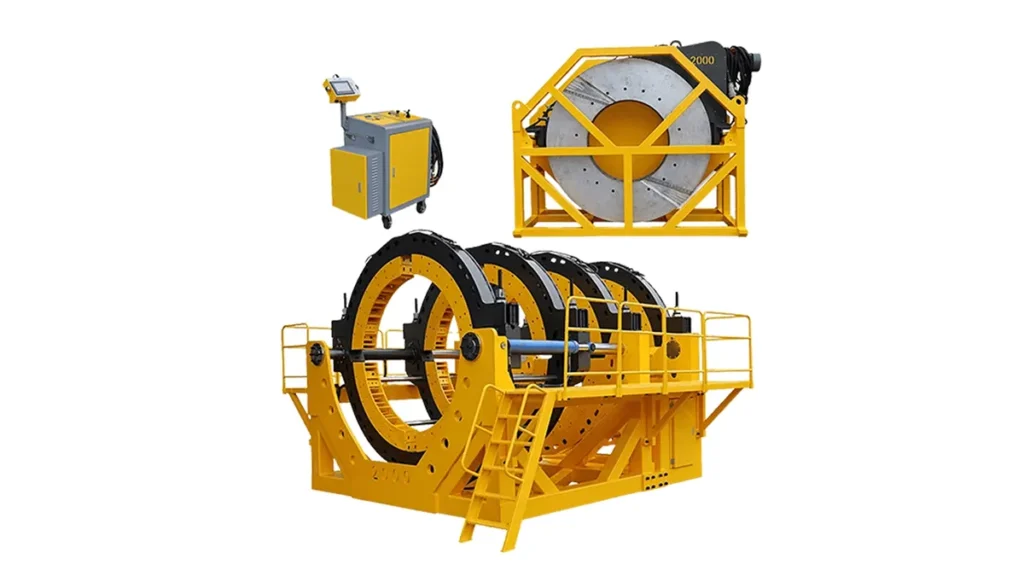
Peru’s growth in infrastructure, mining, agriculture and urban water systems has created a rising demand for reliable plastic pipe welding equipment. This guide explains the types of HDPE and plastic pipe welding machines available, what to consider when buying in Peru, and where each machine performs best — from Andean highlands projects to coastal irrigation networks.
Why Plastic (HDPE) Pipe Welding Machines Matter in Peru
Durability and leak-free joints are essential for long-term pipeline performance in Peru’s diverse environments — from coastal saline conditions to high-altitude cold. HDPE piping systems joined by professional welding produce low-maintenance, corrosion-resistant networks for drinking water, irrigation, gas distribution and mine tailings conveyance.
The most common needs in Peru include portable solutions for remote sites, robust machines for mining and municipal contractors, and automated systems for large factory or utility projects.
Types of Plastic Pipe Welding Machines
Manual Butt Fusion Machines
Overview: Simple frame systems for joining pipes by hand using hydraulic or mechanical clamps and a heating plate. Best for small teams and occasional jobs.
Typical pipe sizes: 20mm – 630mm. Advantages: low cost, portable, easy maintenance. Ideal for rural irrigation repairs, small municipal works and contractors in remote Peruvian regions.
Hydraulic Butt Fusion Machines
Overview: Hydraulic-driven units deliver controlled pressure during fusion. They are rugged and suited to frequent on-site welding in demanding environments.
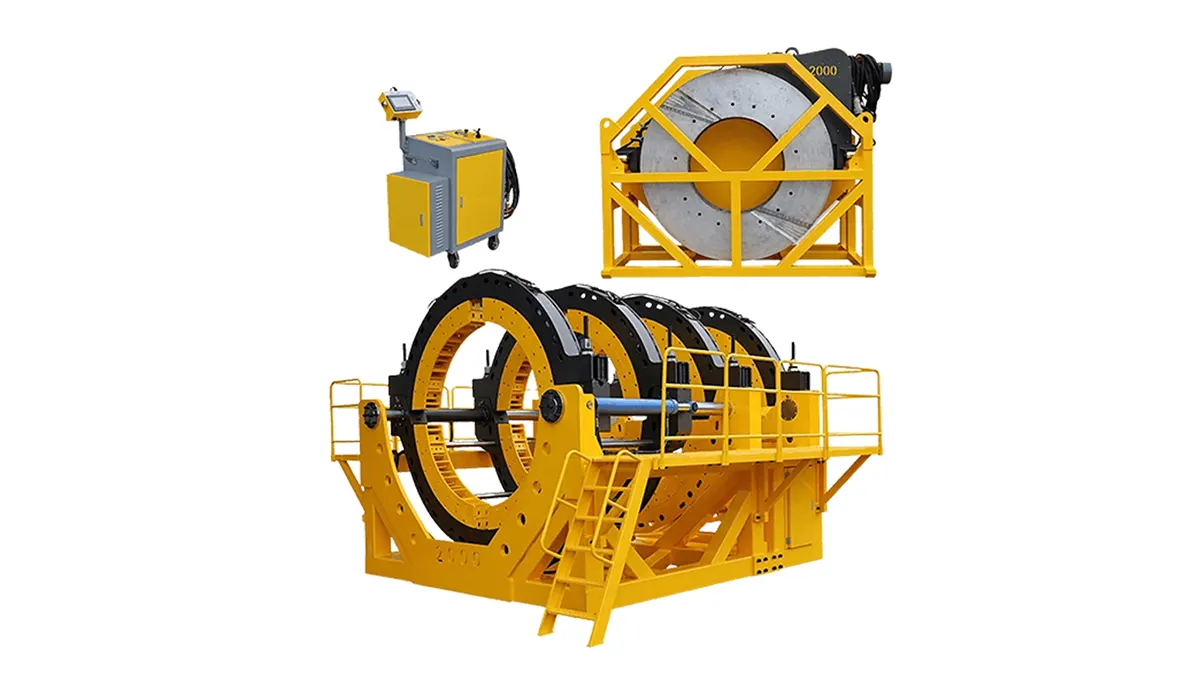
Typical pipe sizes: 63mm – 2250mm. Advantages: consistent pressure, higher productivity, suitable for mining and major water projects across Peru.
Automatic / CNC Butt Fusion Machines
Overview: Automated waveform control, programmable welding cycles and data logging for large-scale, high-precision installations.
Typical pipe sizes: 110mm – 1600mm+. Advantages: repeatability, traceable quality (important for regulated projects), best for utilities, industrial parks and long pipeline contracts.
Electrofusion Machines
Overview: Designed to weld electrofusion fittings with embedded heating elements — common in gas distribution and small-diameter repairs.
Typical pipe sizes: 20mm – 630mm. Advantages: quick repairs, compact and portable; widely used by gas utilities and service teams in urban Peruvian areas.
Multi-Angle / Fitting Welding Machines
Overview: Specialized machines for welding complex fittings and tees with precise angles. Beneficial in plant installations and prefabrication workshops.
Typical use: prefabrication yards, industrial fittings, municipal treatment plants.
Buying Guide: Choose the Right Machine for Your Peruvian Project
Factors to evaluate:
- Project scale: Small repairs vs. long transmission mains — choose manual/hydraulic for small/medium jobs and automatic systems for high-volume contracts.
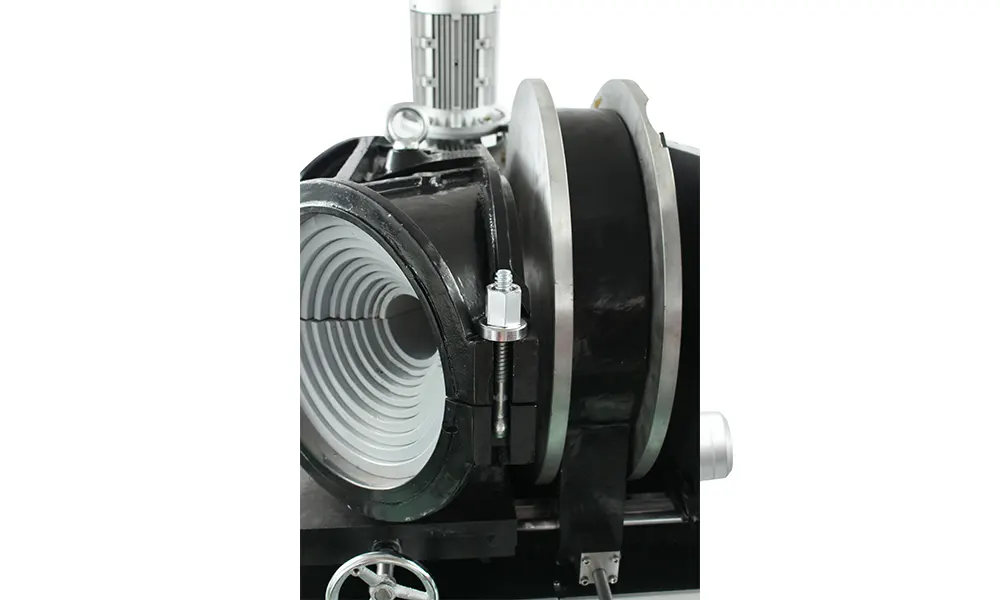
- Pipe material & diameter: Match machine clamping range to PE/PP/other thermoplastics and the diameter range you plan to weld.
- Site conditions: For high-altitude work in the Andes or dusty mining sites, prefer sealed controls and robust hydraulics.
- Power & logistics: Check local voltage options, availability of diesel generators for remote sites, and ease of shipping to Peruvian ports or inland regions.
- Quality control & traceability: For municipal or private utility contracts, look for machines with data logging and digital controls.
- Spare parts & local support: Ensure quick access to spare heating elements, clamps and service technicians.
Compact Decision Table
| Machine Type | Pipe Range | Production | Best For (Peru) |
|---|---|---|---|
| Manual Butt Fusion | 20mm – 630mm | Low–Medium | Rural irrigation, small municipal jobs |
| Hydraulic Butt Fusion | 63mm – 2250mm | Medium–High | Mining, large water mains |
| Automatic / CNC | 110mm – 1600mm+ | High | Utilities, industrial pipelines |
| Electrofusion | 20mm – 630mm | Low–Medium | Gas distribution, quick repairs |
| Multi-Angle Fitting Machines | Fittings & tees | Medium | Prefabrication yards, treatment plants |
Best Applications and Use Cases in Peru
Irrigation networks: Small to mid-sized butt fusion machines are ideal for agricultural cooperatives in coastal valleys and highland terraces.
Municipal water supply: CNC and hydraulic systems help ensure quality-controlled joints over long mains supplying cities like Lima, Arequipa and Trujillo.
Mining operations: Heavy-duty hydraulic and large-diameter automatic machines support slurry lines, tailings conveyance and process water where uptime is critical.
Gas distribution & urban repairs: Electrofusion units enable quick, safe repairs and service connections across built-up neighborhoods.
Maintenance, Training and Local Support Tips
Regular checks of the heating plate surface, calibration of pressure controls, and hygienic storage of heaters protect welding quality. For Peruvian projects, plan for:
- On-site training for local crews — practical fusion competence reduces rework.
- Spare parts kits for heating elements, clamps and seals shipped in advance for remote projects.
- Consider machines with multilingual interfaces or training materials in Spanish for faster adoption.
Where to Source Machines and One Trusted Manufacturer
When selecting suppliers, verify CE/ISO certifications, read case studies from similar Peruvian projects, and confirm warranty and spare parts logistics. JQ-Fusion (https://jq-fusionwelding.com/) manufactures a wide range of manual, hydraulic and automatic butt fusion machines suitable for global infrastructure projects and offers customizable solutions for specific pipe diameters and site conditions.
Next Steps
Define your typical pipe sizes, expected weekly production, and the environments where machines will operate. Request datasheets, welding procedure specifications (WPS), and local references to make a confident purchase decision for your Peruvian projects.



