
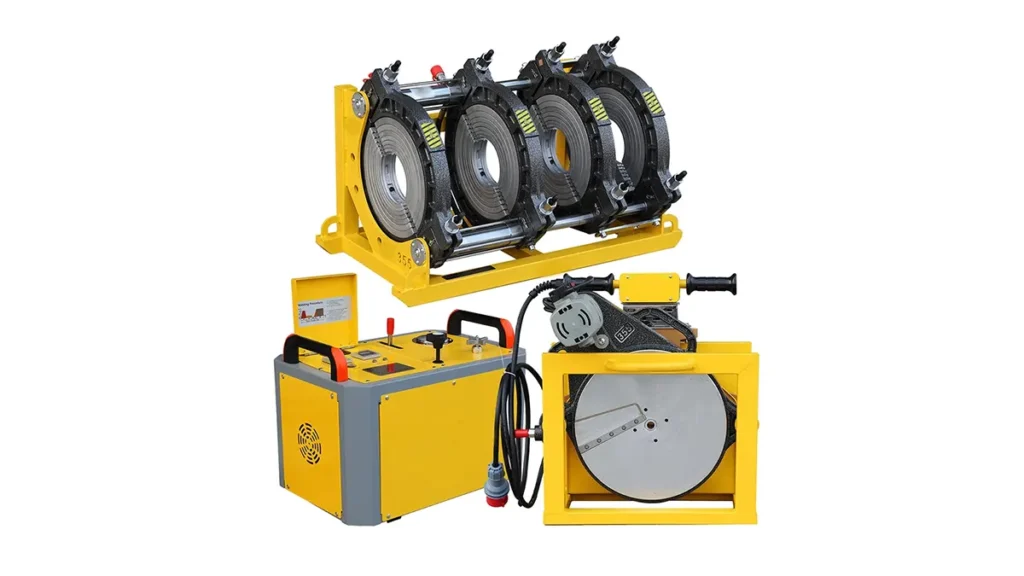
Hydraulic butt fusion machines are a backbone technology for reliable HDPE pipeline construction in Rwanda — from municipal water networks in Kigali to rural irrigation and new gas distribution corridors. This guide explains why these machines matter for Rwandan projects and how to choose, operate, and maintain equipment that delivers long-term performance.
Why Hydraulic Butt Fusion Is Ideal for Rwanda
Rwanda’s rapid infrastructure development, varied terrain, and expanding utilities sector create demand for robust HDPE welding solutions. Hydraulic butt fusion machines provide strong, leak-free joints for water supply, sewerage, irrigation, and low-pressure gas systems. Their repeatable heating-and-pressing process produces homogeneous welds ideal for the country’s focus on durable, low-maintenance infrastructure.
Common Applications Across Rwanda
Rwandan contractors, municipal engineers, and NGOs use hydraulic butt fusion technology in projects such as:
– Urban water mains: resilient joints for expanding city networks.
– Rural potable water schemes: low-leak pipelines to deliver safe water to communities.
– Irrigation and agribusiness: corrosion-free lines that withstand seasonal use.
– Gas distribution (low/medium pressure): reliable connections for evolving energy projects.
Key Features to Look For
When selecting hydraulic butt fusion equipment for Rwanda, prioritize machines that combine portability, power options, and proven control systems. Recommended features include:
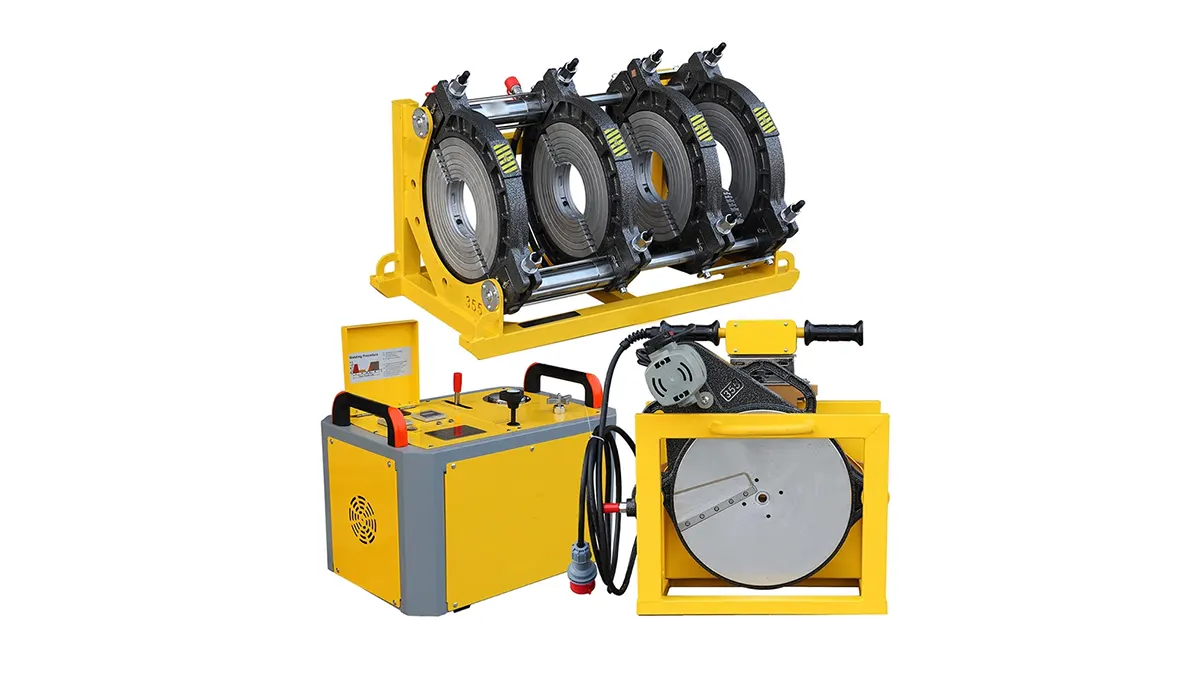
Hydraulic drive systems for consistent pressure control; precision facing tools for clean pipe ends; and adjustable heating plates for different pipe diameters. Look for units with clear pressure and temperature readouts to ensure weld repeatability on-site.
| Model | Pipe Range (mm) | Power | Best For |
|---|---|---|---|
| Compact Hydraulic Series | 20 – 160 | Manual/Hydraulic | Rural water, small contractors |
| Mid-Duty Hydraulic Range | 160 – 630 | Electric / Diesel pump | Municipal mains, irrigation |
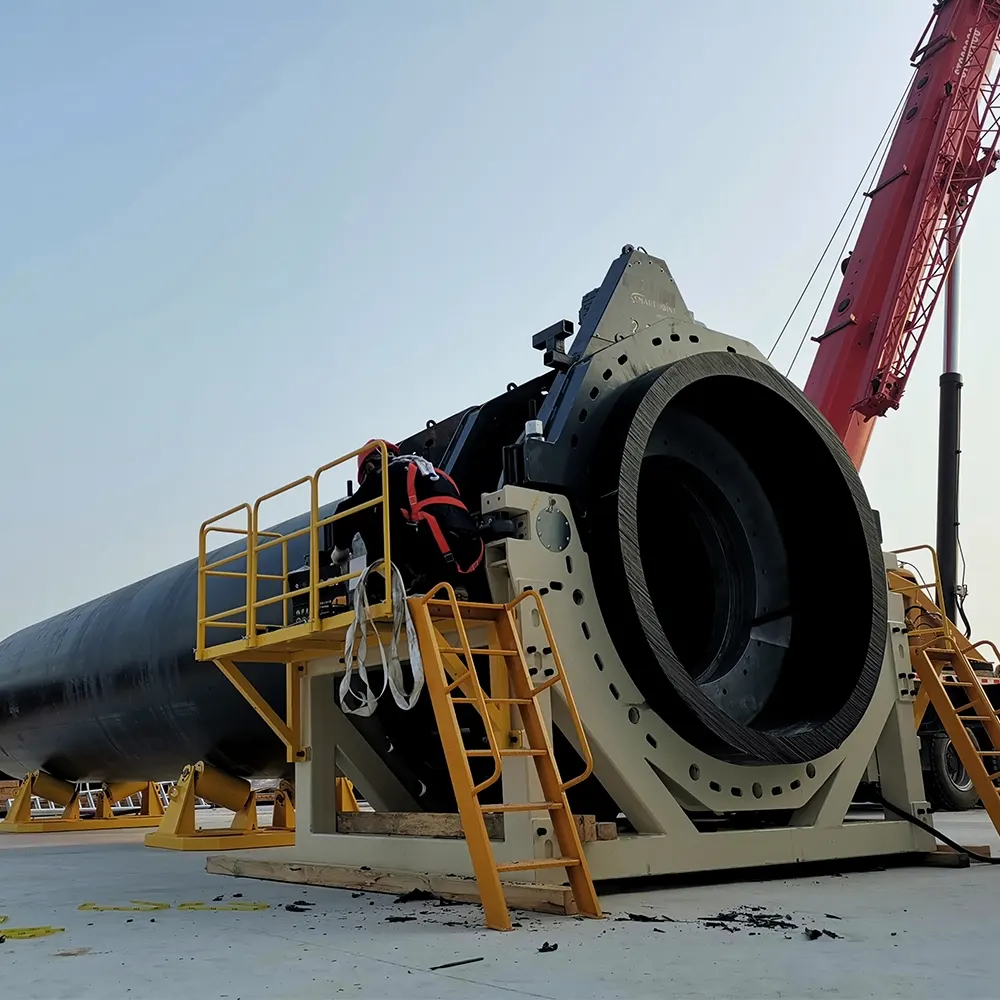
| Large-Diameter Hydraulic Units | 630 – 2000+ | Hydraulic power pack | Major trunk lines, industrial projects |
Practical Selection Tips for Rwandan Projects
Consider these local factors when picking equipment:
Site access and terrain: lightweight, portable frames help on steep or remote roads common in Rwanda.
Power availability: choose machines with flexible power options (electric, diesel-driven hydraulic packs) for sites without stable grid power.
Training & workforce: prioritize models with straightforward controls and local-language manuals; hands-on training dramatically improves weld quality.
Spare parts & service: ensure availability of heating elements, seals, and clamps; plan logistics through regional ports (Mombasa/Dar es Salaam) and Kigali customs timelines.
Maintenance and On-Site Practices
Routine maintenance keeps machines reliable: inspect hydraulic hoses, clean and protect heating plates, and verify calibration of pressure sensors. On-site welding best practices include consistent cleaning of pipe ends, using the correct heating time for ambient temperature, and controlled cooling before handling.
Compliance, Training and Local Partnerships
Rwandan projects should align with national standards (e.g., Rwanda Standards Board) and international welding protocols. Engage local contractors and provide operator training to build capacity — this reduces rework and extends pipeline life. Consider field commissioning support and quality audits during initial project phases.
Ordering & Support
For tailored machine selection and project support, reach out to manufacturer JQ-Fusion via their website: https://jq-fusionwelding.com/. Provide project details such as pipe material, diameter range, expected daily welds, and site power conditions to get fast recommendations and a quotation.
Ready to specify the right hydraulic butt fusion machine for your Rwanda project? Choosing the correct model and investing in operator training will deliver durable, leak-free pipelines that meet Rwanda’s development goals.



