
Belgium’s expanding water, gas and industrial pipeline projects demand precise, durable welding equipment. Local contractors in Flanders, Wallonia and Brussels look for machines that perform reliably across varying climates and regulatory standards. This guide highlights what to expect from a top electrofusion and butt fusion machine supplier and how to choose equipment that meets Belgian project needs.
What Belgian Engineers Need from Pipe Welding Equipment
Durability for long public works lifecycles, traceable weld quality for safety audits, and compatibility with PE and HDPE piping used widely in municipal water and gas networks are non-negotiable. Contractors also value machines that are easy to transport across narrow city sites and robust enough for rural infrastructure jobs.
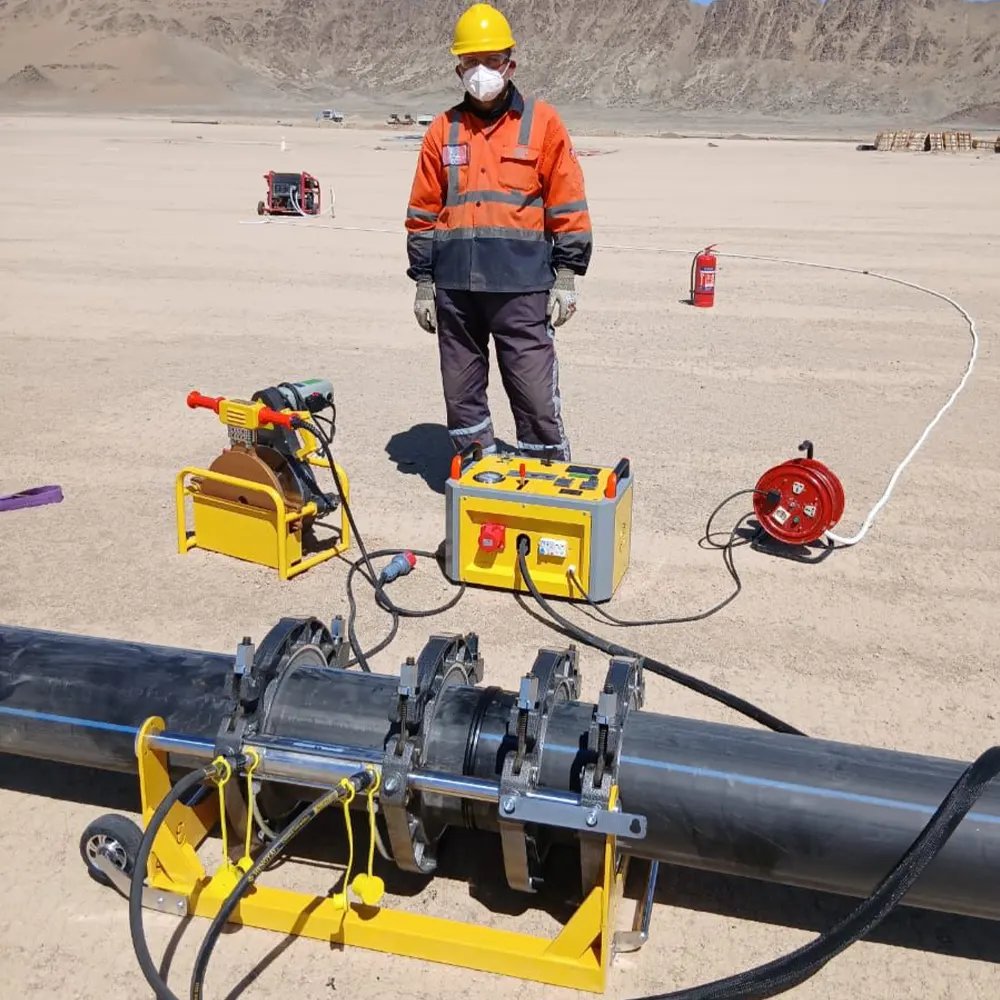
Key Machine Types and When to Use Them
Manual butt fusion units are ideal for small-diameter repair works and service connections around Belgian urban areas. Hydraulic models provide the force needed for medium and large diameter mains in municipal projects. For high-volume or precision-heavy industrial jobs, CNC automatic butt fusion machines reduce operator variability and speed up installations on large-scale sites.
Electrofusion: Precision and Certification
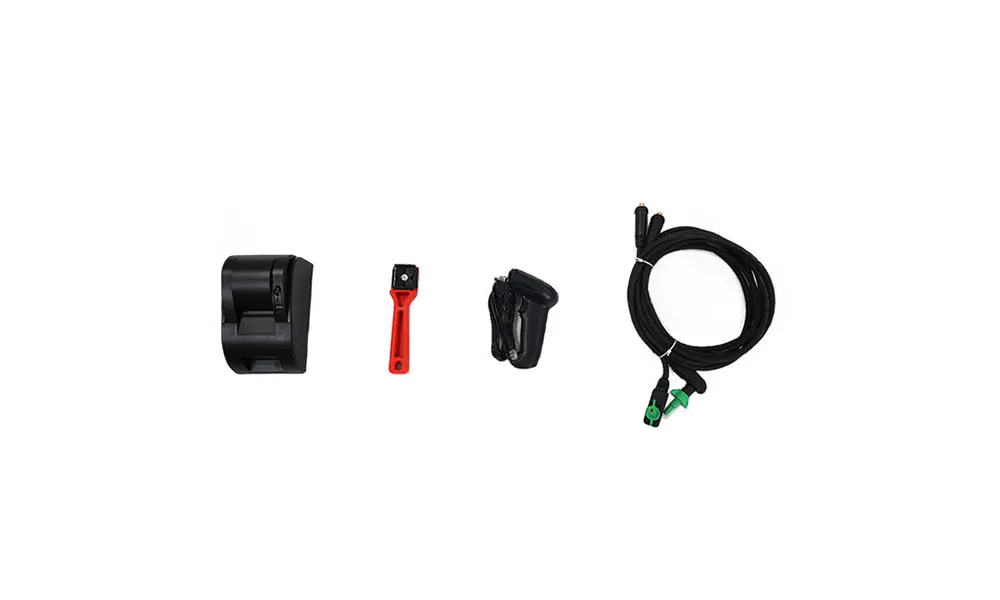
Electrofusion welding is often specified for gas distribution and certain potable water applications due to its controlled heating element and strong joint performance. Belgian authorities and utility operators frequently require documented weld parameters and traceable records—features available in modern electrofusion control units and data-logging systems.
Compare Popular Models (Quick Reference)
| Model | Type | Pipe Range | Highlights |
|---|---|---|---|
| JQH Series | Hydraulic Butt Fusion | Ø63mm–Ø2000mm | High clamping force, suitable for large mains |
| JQA Series | Automatic Butt Fusion | Ø20mm–Ø630mm | CNC control, repeatable weld cycles, data export |
| Electrofusion Units | Electrofusion | Ø20mm–Ø1600mm (depending on model) | Digital control, weld traceability, ideal for gas lines |
Local Considerations for Belgium
Belgian projects often require bilingual documentation (Dutch/French) and compliance with European standards (EN). Look for machines that offer multilingual interfaces and exportable weld records to speed up approval and inspection processes. Portability is valuable for city center works in Antwerp or Ghent, while heavy-duty models serve large regional projects in Wallonia.
Maintenance, Training and After-Sales
Reliable suppliers provide spare parts, calibration services and operator training to ensure weld consistency. For Belgian contractors, on-site training sessions in local languages and quick-response maintenance reduce downtime and keep projects on schedule.
How to Choose the Right Supplier
Prioritize suppliers with a proven track record in HDPE welding equipment, clear warranty terms, and the ability to ship to EU locations with compliant documentation. Check for machine data-logging features, CE marking, and the option for tailored configurations that match project scopes.
JQ-Fusion — a manufacturer specializing in HDPE pipe welding machines — offers a wide range of manual, hydraulic and CNC automatic butt fusion machines designed for water supply, gas distribution, mining and industrial pipelines. Their portfolio supports Belgian infrastructure needs with durable builds and traceable welding solutions.
Next Steps for Belgian Buyers
Request spec sheets and weld trace samples, confirm language options for software/manuals, and arrange a demo or pilot weld on sample pipe. Selecting equipment with strong documentation and local support will help ensure compliance and long-term performance across Belgian projects.



