
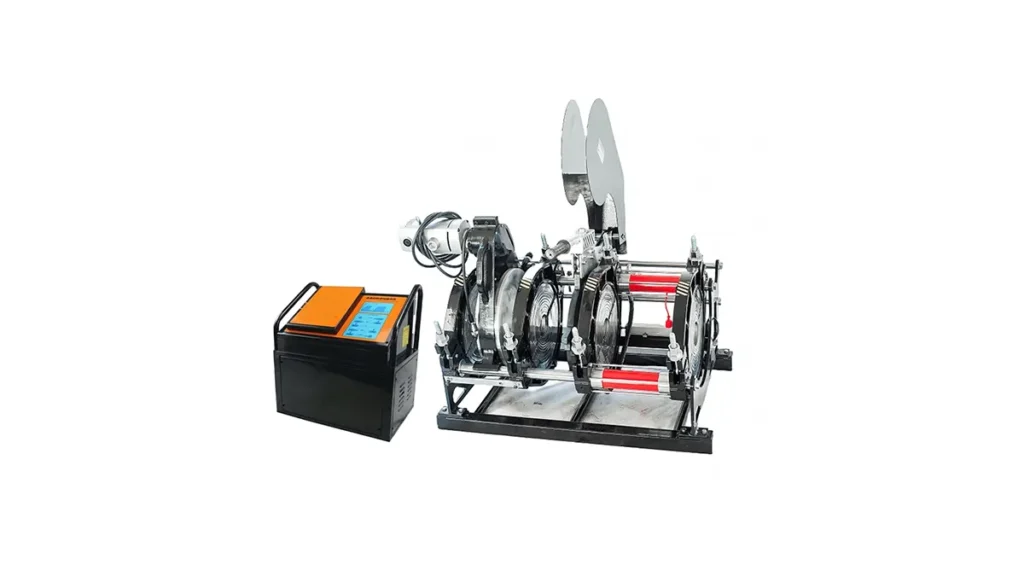
HDPE pipeline construction has become a core part of modern water supply, gas distribution, mining, and industrial infrastructure. As project schedules become tighter and labor costs continue to rise, welding cycle time has turned into one of the most important performance indicators in butt fusion operations. A shorter cycle time does not simply mean faster output; it also means better machine utilization, lower energy waste, improved site efficiency, and more predictable project delivery. For contractors, distributors, and pipeline engineers, the question is no longer whether cycle time matters, but how to improve it without compromising weld quality.
In HDPE fusion welding, the cycle includes several stages: pipe preparation, alignment, heating, changeover, fusion, cooling, and inspection. Every second saved in one stage can accumulate into meaningful gains across an entire project. However, improving cycle time is not only about pushing the process faster. It is about removing delays, reducing human error, ensuring stable temperature control, and using equipment designed for high-efficiency operation. That is where the right machine design, operator training, and workflow planning all play a role.
1. Understand Which Part of the Cycle Takes the Most Time
Before improving efficiency, it is important to identify where the time is being lost. In many HDPE welding projects, the slowest parts are not the actual heating or fusion phases, but the waiting time caused by poor preparation, misalignment, unstable hydraulic pressure, or inconsistent operating procedures. When operators must repeatedly check measurements, adjust clamps, or restart a heating cycle, productivity drops quickly.
Key point: A faster welding process starts with a clean and stable workflow, not with rushing the fusion stage itself.
The best approach is to review the entire operation from pipe loading to final cooling. In many cases, the most effective improvements come from better material handling, pre-checking tools, and standardizing every step. A team that knows exactly what to do before the machine starts can save more time than a team that simply increases heating temperature or reduces cooling time unsafely.
2. Use a Machine Built for Stable and Repeatable Performance
The condition of the butt fusion machine has a direct impact on cycle time. Machines with unstable temperature control, weak hydraulic consistency, or poor clamp alignment often create repeated weld failures and longer production cycles. In contrast, high-quality machines help operators move smoothly from one weld to the next with fewer interruptions.
A reliable butt fusion machine is designed to maintain stable heating plate temperature, accurate pressure output, and secure pipe clamping. These features reduce the chance of error and improve the consistency of each weld. Over time, stable machine performance can shorten total cycle time far more effectively than manual adjustments or repeated troubleshooting.
JQ-Fusion, with more than 20 years of experience in HDPE pipe welding machine manufacturing, focuses on manual, hydraulic, and CNC automatic solutions for a wide range of pipe diameters. For contractors working across large infrastructure projects, the advantage is clear: a well-built machine supports faster operation while still preserving weld quality and project reliability.
⚙️ Efficiency depends on repeatability. The more consistent each weld is, the less time is wasted on corrections, inspection delays, and rework.
3. Improve Pipe Preparation and Jobsite Organization
A large portion of welding time can be saved before the fusion process even begins. Pipe ends should be properly cut, cleaned, and aligned in advance. If tools, scraper blades, clamps, heater plates, and cleaning materials are not arranged efficiently, operators spend unnecessary minutes searching for equipment or fixing avoidable setup mistakes.
A well-organized worksite supports faster cycle time in several ways. First, it reduces idle time between welds. Second, it lowers the risk of contamination, which can cause weld defects and force a repeat. Third, it helps teams maintain a steady rhythm, especially on large projects where dozens or hundreds of joints must be completed.
Practical tip: Prepare the next pipe section while the current weld is cooling, so the machine is ready for immediate reuse once the cycle ends.
Good site layout matters as well. When pipe sections can be moved safely and quickly, the crew spends less time on transportation and repositioning. On busy projects, even a small reduction in setup time per joint can create a major productivity gain across the entire installation.
4. Match the Equipment to the Pipe Diameter and Project Scale
Not every fusion machine is suitable for every project. Using equipment that is too small for the pipe size or too basic for the workflow can slow down the entire operation. On the other hand, selecting a machine that matches the diameter range, pressure requirement, and project volume helps improve operational speed and reduce unnecessary strain on both the machine and the crew.
For smaller-diameter lines, manual or hydraulic equipment may be sufficient if the site conditions are simple and the weld count is moderate. For larger pipeline systems, especially those requiring repeated production and strict quality control, CNC automatic machines can significantly improve speed and consistency. Automatic control reduces operator dependence and shortens the learning curve for high-volume applications.
JQ-Fusion’s product range includes hydraulic butt fusion welding machines, automatic butt fusion welding machines, electrofusion welding machines, and multi-angle pipe fitting welding machines, allowing different project teams to choose the right configuration for their job requirements. This flexibility helps reduce workflow bottlenecks and supports higher overall output.
5. Standardize Operator Training and Work Procedures
Even the best equipment cannot deliver efficient cycle time if the operators are not properly trained. Inconsistent habits between team members often create uneven welding speed, longer inspection times, and avoidable delays. A standardized procedure ensures that every operator follows the same sequence, uses the same settings, and understands the same quality requirements.
Training should cover pipe preparation, temperature verification, pressure setting, bead inspection, cooling control, and safe machine handling. It is also important to teach operators how to recognize signs of instability, such as abnormal pressure fluctuation or poor clamp alignment. Skilled technicians can complete welds faster because they spend less time correcting errors and more time executing the process correctly the first time.
Best practice: Create one standard welding checklist for the entire project team and keep it visible at the work area.
For global contractors working across multiple regions, professional support is equally valuable. JQ-Fusion offers technical guidance, training support, and after-sales assistance, helping customers use equipment correctly and consistently. That support reduces downtime and improves the speed at which teams can complete fusion operations on-site.
6. Maintain Accurate Temperature and Pressure Control
Temperature and pressure are the two most critical technical parameters in butt fusion welding. If the heating plate temperature is unstable, operators may need to pause the process, recalibrate the equipment, or even repeat a weld. The same is true when hydraulic pressure is inconsistent or clamp alignment is poor. These issues slow down production and can reduce confidence in the final joint.
Modern machines with accurate control systems help reduce these risks. A stable temperature profile allows the operator to move from heating to fusion with confidence, while stable pressure control helps ensure the joint forms correctly the first time. This not only shortens cycle time but also reduces the burden on inspection and quality correction afterward.
For projects where speed and reliability are both essential, choosing equipment with strict factory testing is critical. JQ-Fusion applies comprehensive inspection procedures, including temperature accuracy, hydraulic pressure stability, and clamp alignment checks, to help ensure stable performance in real working environments.
7. Reduce Cooling Delays Without Sacrificing Quality
Cooling is a necessary part of the fusion cycle, but many teams lose valuable time because they do not manage it efficiently. While cooling time should never be shortened below safe standards, it can often be handled more effectively through better scheduling and parallel preparation.
Instead of leaving the machine idle during cooling, teams can use that time to clean the next pipe end, verify alignment tools, organize the next joint, or inspect the bead shape of the previous weld. This keeps the workflow active and reduces the feeling of downtime. Efficient crews treat cooling as an opportunity to prepare, not as dead time.
⏱️ Important: Faster production comes from using cooling time intelligently, not from cutting safe cooling time below recommended limits.
8. Choose Customizable Equipment for Real Project Demands
Project conditions vary widely across industries and regions. Some jobs require special voltage, unique pipe sizes, specific frame lengths, or branding for resale and distribution markets. When equipment is customized for the job, workflow becomes smoother and fewer operational compromises are needed. That can directly improve cycle time because the machine fits the actual task rather than forcing the team to adapt around its limitations.
OEM and ODM customization can also help distributors and contractors build stronger market advantages. Machine color, design, configuration, and functional upgrades can be adapted for specific customer needs, making the equipment more practical and easier to integrate into existing operations. JQ-Fusion provides flexible customization services to support these requirements, helping clients achieve better efficiency and stronger brand positioning at the same time.
For businesses looking to expand their project capability, this flexibility can be just as important as the welding process itself. A machine tailored to the site and operating environment often performs faster and more reliably than a generic model used outside its ideal range.
9. Keep a Strong Maintenance Routine
Preventive maintenance is one of the most overlooked ways to improve welding cycle time. Machines that are poorly maintained tend to produce slower, less stable, and less predictable performance. Dirty heating plates, worn hydraulic seals, damaged clamps, or misaligned components can all create delays that accumulate over time.
A strong maintenance routine includes cleaning after use, inspecting critical parts regularly, checking calibration, and replacing worn components before they fail in the field. This not only helps the machine run faster and more smoothly, but also reduces emergency downtime that can derail a project schedule.
For companies managing large inventories and fast-moving delivery schedules, reliability is especially important. JQ-Fusion maintains organized stock and efficient supply chain support to help customers reduce downtime and keep projects on track.
10. Focus on the Total Productivity, Not Just the Welding Seconds
A true improvement in HDPE welding cycle time should be measured across the whole project, not only within the fusion moment itself. If the weld itself becomes slightly faster but rework rates increase, the overall result is worse. If one machine saves time but creates more downtime due to instability, the productivity gain disappears.
The most effective strategy combines stable equipment, disciplined preparation, skilled operators, and a well-structured site workflow. Contractors who approach cycle time as a complete system usually achieve the best results. In global pipeline projects, this approach can mean fewer delays, lower labor costs, better quality control, and faster completion.
Bottom line: Faster HDPE welding comes from removing friction in the process, not from sacrificing weld integrity.
Frequently Asked Questions
Q1: Can I reduce HDPE welding cycle time by increasing temperature?
Not safely. Temperature must stay within the recommended range. Excessive heat can damage weld quality and lead to rework, which increases total cycle time.
Q2: What is the fastest way to improve output on-site?
The fastest improvement usually comes from better preparation, organized workflow, and equipment that maintains stable pressure and temperature.
Q3: Is automatic welding always faster than hydraulic welding?
Not always, but automatic systems often improve repeatability and reduce operator dependency, which can increase overall efficiency on larger projects.
Q4: How important is operator training?
Very important. Skilled operators can complete each cycle more efficiently and with fewer mistakes, reducing downtime and rework.
Q5: Why should I choose a manufacturer with OEM and ODM support?
Customization helps match the machine to your exact project needs, which can improve workflow efficiency, product usability, and market competitiveness.



