
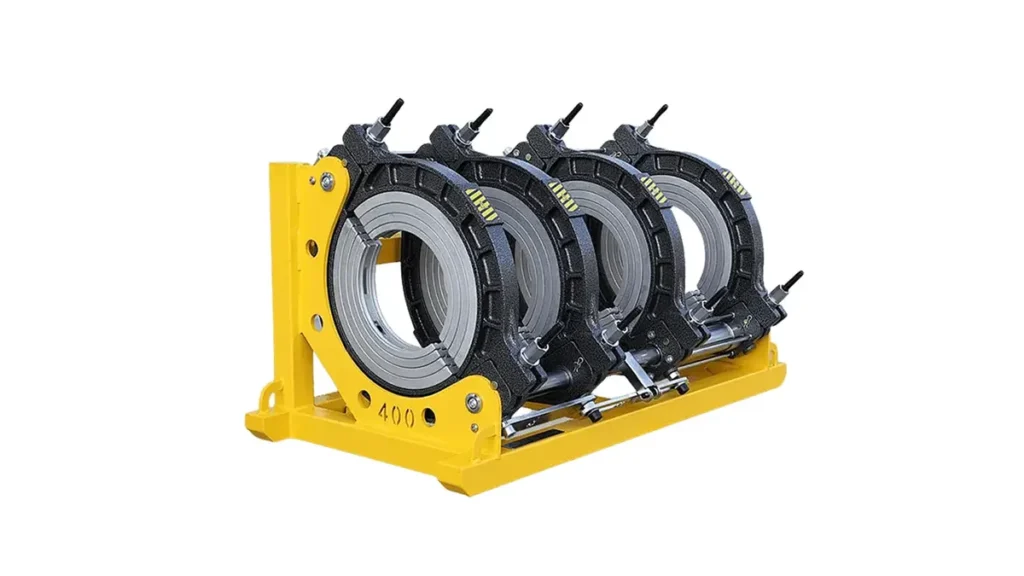
As Nigeria accelerates investments in water, gas, oil & gas, and urban infrastructure, reliable HDPE welding equipment becomes essential for safe, long-lasting pipelines. Suppliers offering robust butt fusion and electrofusion machines tailored to Nigerian conditions help contractors, municipalities, and EPC companies complete projects on time and within budget. This guide highlights practical considerations for selecting HDPE welding machines in Nigeria and how modern equipment supports local pipeline projects.
Why HDPE Welding Matters for Nigeria’s Infrastructure
HDPE pipe welding (butt fusion, electrofusion) delivers leak‑free joints, chemical resistance, and long service life — all critical for Nigeria’s water supply networks, gas distribution, and industrial installations. Compared with mechanical joints, thermoplastic fusion reduces downtime and long‑term maintenance costs, a major advantage for large urban centers like Lagos, Abuja, and oil hub regions such as Port Harcourt.
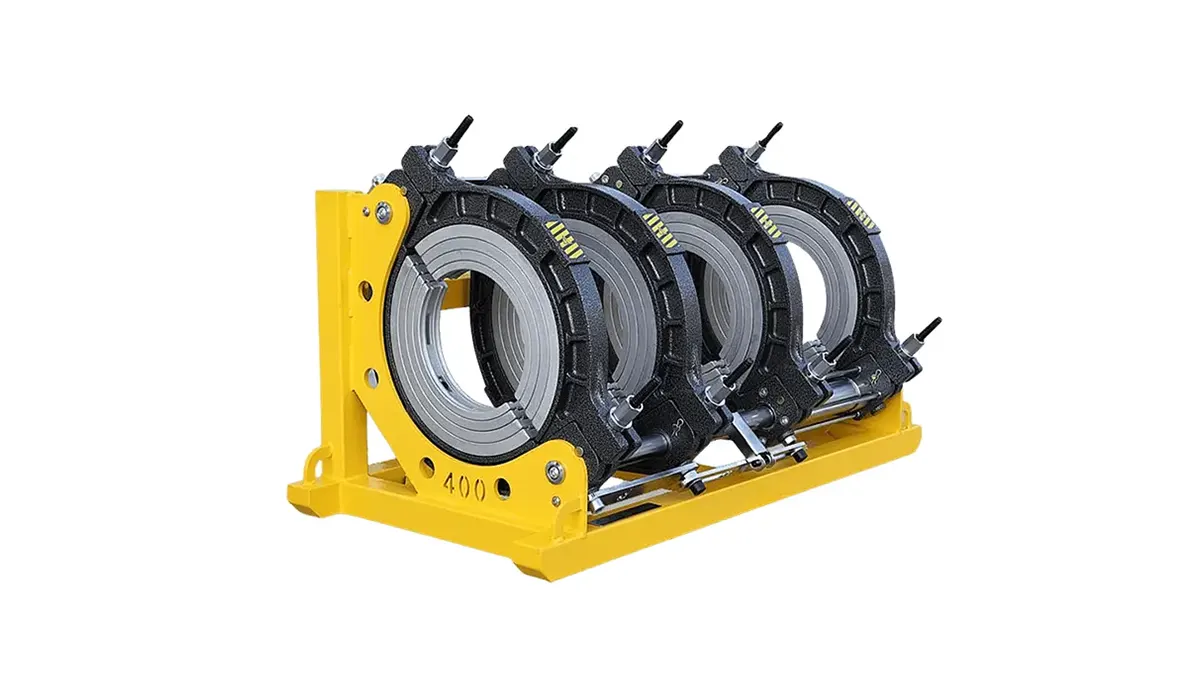
Types of HDPE Welding Machines and When to Use Them
Manual machines are ideal for small diameter pipes and rural water projects where portability matters. Hydraulic machines offer higher clamping force for industrial and large-diameter pipelines. For repeatable precision on high‑volume worksites, CNC automatic machines increase productivity and ensure consistent weld records — useful for utility and oil & gas compliance.
Quick Model Comparison
| Model | Pipe Range | Control | Best for |
|---|---|---|---|
| Manual Butt Fusion | Ø20–315mm | Manual | Rural water, repair |
| Hydraulic Butt Fusion | Ø160–1200mm+ | Hydraulic | Municipal, industrial pipelines |
| CNC Automatic Butt Fusion | Ø63–800mm | CNC & PLC | Large projects, quality documentation |
Selecting Equipment for Nigerian Conditions
When choosing HDPE welding machines for Nigeria, consider local site realities: grid stability (Nigeria uses 230V, 50Hz), frequent use of generators on remote jobsites, high humidity and heat, and sometimes dusty coastal environments. Look for heaters and control units that tolerate voltage fluctuations and enclosures resistant to corrosion and dust ingress. For remote areas, machines that can integrate with diesel or generator power and that are easily transported on pickup trucks are preferred.
Services That Add Value
Training & certification: On-site operator training ensures weld quality and reduces rework. Local spare parts and service minimize downtime on critical pipelines. Machines with clear diagnostics and warranty coverage streamline maintenance and audits for compliance with Nigerian regulatory standards.
Maintenance Checklist for Longevity
- Daily: Clean heater plate and clamps; inspect hydraulic lines.
- Monthly: Calibrate temperature sensors and check alignment.
- Before major projects: Verify generator compatibility and confirm spare component availability.
Buying Tips for Contractors and Utilities in Nigeria
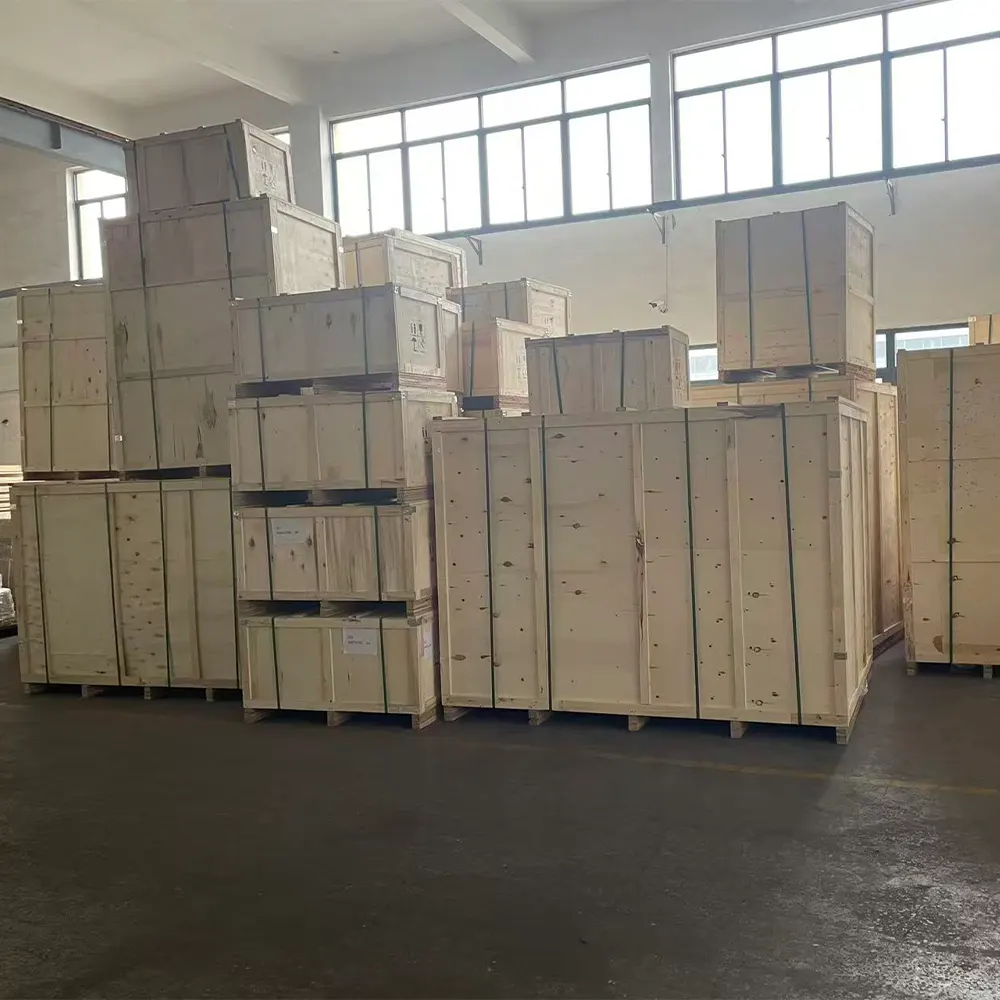
Request weld traceability features for record keeping, especially on potable water and gas pipelines. Confirm lead times for delivery and customs clearance; ask about skid packaging and sea freight options for ports like Lagos or Port Harcourt. Prioritize suppliers who provide operational training, clear documentation, and remote technical support.
Partner with Experienced Manufacturers
For reliable butt fusion solutions and a full range of manual, hydraulic, and automatic HDPE welding machines, consider reputable manufacturers that offer tailored configurations, spare parts, and training. Learn more about available products and support at JQ-Fusion.
Ready to specify the right HDPE welding solution for your Nigerian project? Prioritize machines rated for local power conditions, robust service plans, and clear operator training to maximize uptime and joint performance.



