
Ghana’s growing infrastructure projects — from municipal water networks and rural irrigation to gas distribution and mining operations — demand reliable HDPE pipe welding solutions. Choosing the right HDPE fusion machine improves pipeline lifespan, reduces leak risks, and speeds up installation times on sites across Accra, Kumasi, Takoradi and remote mining camps.
Overview: Reliable HDPE Fusion Machines for Ghana
As a professional HDPE pipe welding equipment manufacturer, JQ-Fusion supplies a wide range of butt fusion machines—manual, hydraulic and CNC automatic models—designed to meet the demands of African climates, variable jobsite power and heavy-duty pipeline applications. Our machines support projects in water supply, gas distribution, mining and industrial pipelines across Ghana.
Why Butt Fusion is the Preferred Method in Ghana
• Durable, leak-proof joints ideal for water and gas networks exposed to seasonal changes.
• Minimal need for consumables on site — beneficial where logistics can be challenging.
• Scalable solutions for both small-diameter distribution lines and large-diameter trunk mains used in mining or industrial projects.
• Equipment suited to local workforce training: simple manual units for field crews and automated systems for fabrication yards.
Key Applications in Ghana
• Municipal water mains and rural water supply projects.
• Gas distribution and LPG pipeline installations in industrial zones.
• Mining site pipelines where robustness and quick repairs are crucial.
• Agricultural irrigation networks and large-scale drainage works.
Popular Machine Options & Quick Spec Table
| Model | Type | Pipe Range | Highlight |
|---|---|---|---|
| JQSY Manual Series | Manual Butt Fusion | 63mm–630mm | Lightweight, field-friendly, easy maintenance |
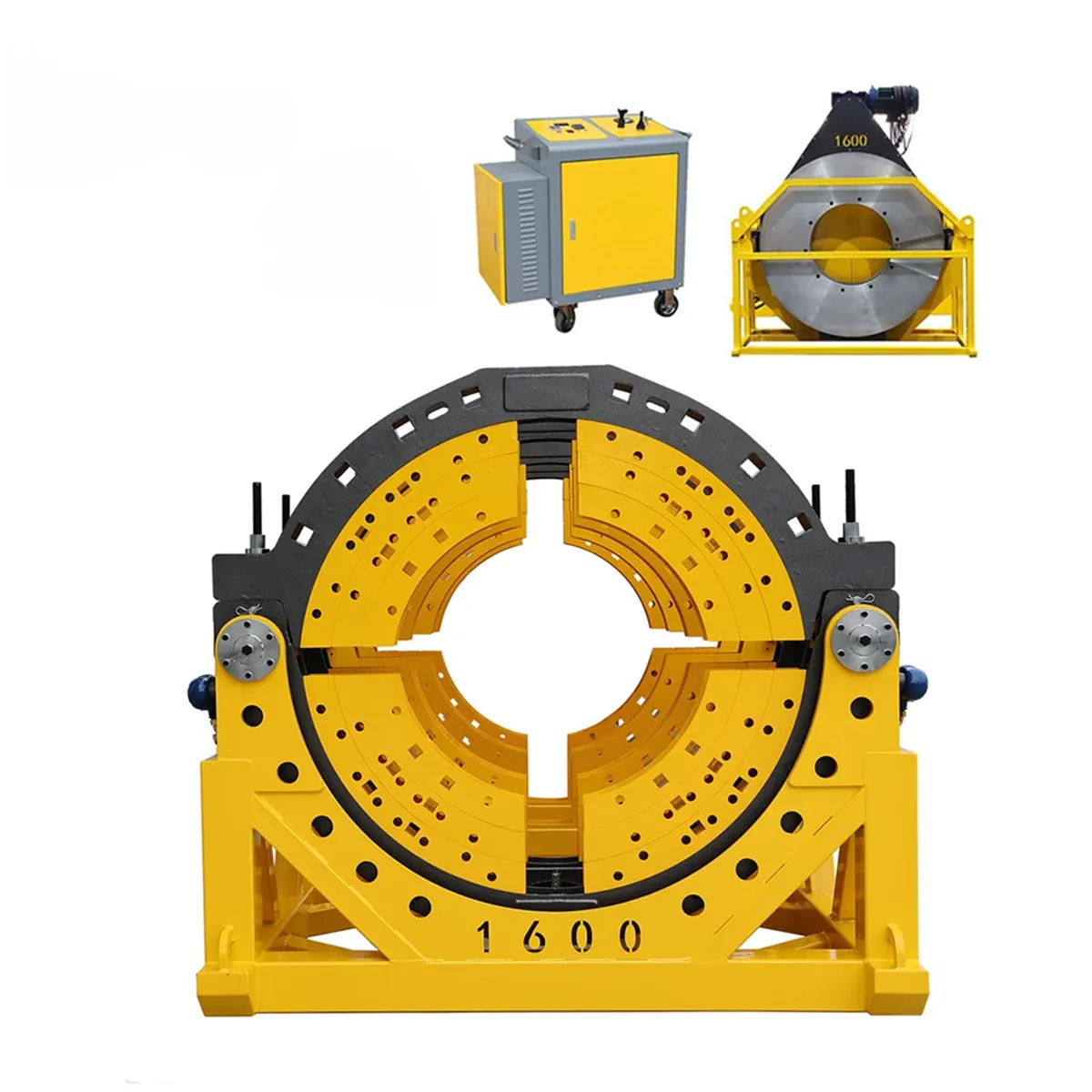
| JQH Hydraulic Series | Hydraulic Butt Fusion | 160mm–1600mm+ | High clamping force, suited for trunk mains and mining |
| JQA Automatic Series | CNC/Automatic Butt Fusion | 63mm–630mm | Precision welding, data logging for quality control |
Selecting the Right Machine for Ghanaian Conditions
• Assess pipe diameter and daily joint targets — small contractors often prefer manual models for portability, while utilities and mining operations benefit from hydraulic or automatic units.
• Consider site power stability — choose models with low-voltage options or independent hydraulic power packs when grid reliability is a concern.
• Environmental exposure — coastal and humid inland sites require corrosion-resistant fixtures and regular servicing schedules.
• Training and certification — invest in operator training and welding procedure documentation to ensure joint integrity and regulatory compliance for public works.
Installation, Training & After-Sales Support
• Local contractors and municipal teams should plan for a short on-site commissioning and hands-on training session to speed up adoption.
• Maintain a basic stock of spare heating plates, cutters and hydraulic seals to minimize downtime on remote sites.
• Regular calibration and welding record-keeping are essential for long-term pipeline performance and warranties.
Get Started on Your Ghana Pipeline Project
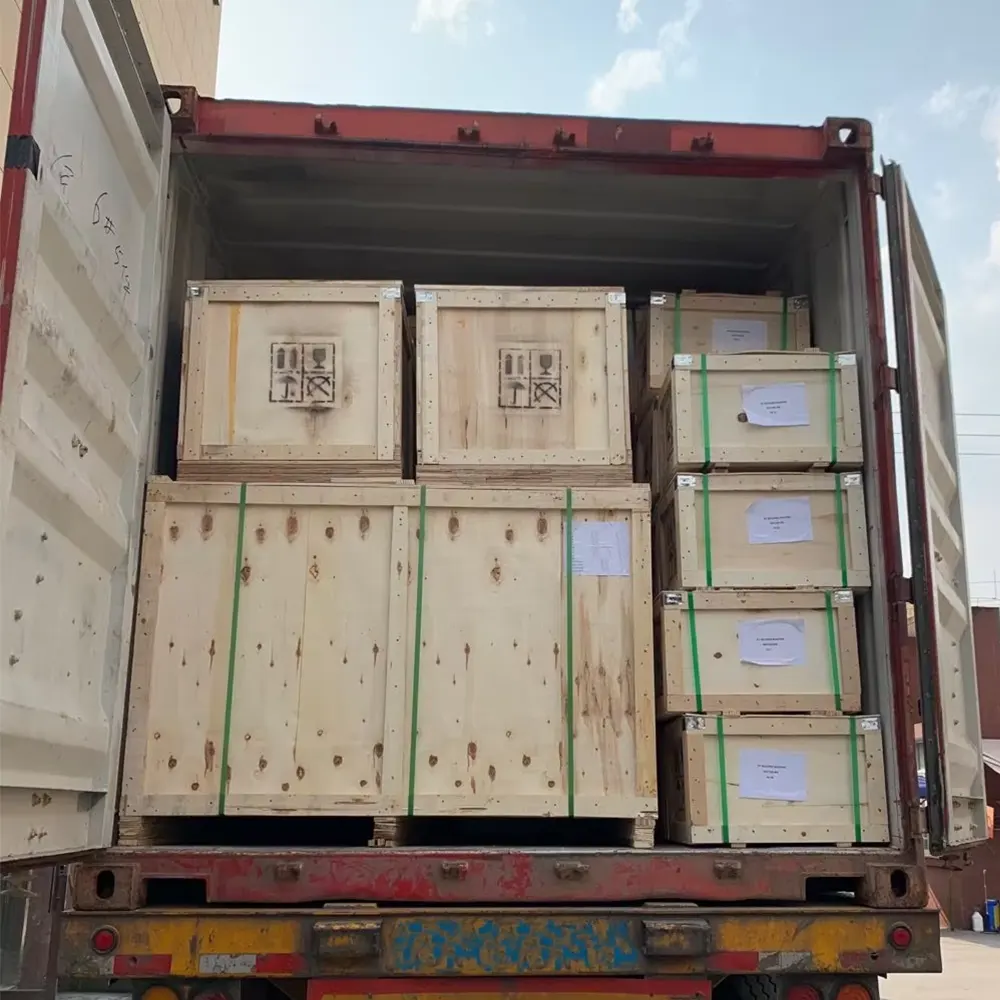
Choose the fusion solution that matches project scale, site conditions and available workforce. For detailed specifications, shipping options and tailored support for Ghana projects, visit the manufacturer’s website above to explore models, request datasheets, and arrange training and spare parts shipment.



