
When you are searching for reliable China HDPE welding machine suppliers, the first challenge is not finding options, but filtering out the suppliers that can truly support your project. In the global pipeline industry, the right partner can determine whether your installation runs smoothly, meets deadlines, and delivers long-term performance. For contractors, distributors, and project buyers, choosing a supplier is about much more than price. It is about consistent welding quality, technical support, customization capability, and dependable delivery.
China has become one of the most important manufacturing hubs for HDPE pipe welding equipment. From manual models to hydraulic and CNC automatic systems, Chinese suppliers offer a wide range of solutions for water supply systems, gas distribution networks, mining projects, and industrial pipeline installations. However, not every supplier provides the same level of quality. Some focus only on low-cost production, while others invest in engineering, testing, and service. Knowing how to identify the reliable ones will save time, reduce project risk, and improve your purchasing decisions.
A reliable supplier is not just a manufacturer; it is a long-term partner who helps you select the right machine, configure it for your market, and support you after delivery. This is especially important for butt fusion equipment, where temperature control, pressure stability, and alignment accuracy directly affect the final weld quality. If a machine performs poorly, the consequences can include weak joints, rework, delay, and costly maintenance.
Tip: Before choosing a supplier, verify factory experience, product range, quality testing, customization services, and global support capability. These are the core indicators of reliability.
Why China Is a Key Source for HDPE Welding Machines
China’s welding equipment industry has developed rapidly over the past two decades. Many manufacturers now serve international pipeline projects with a combination of competitive pricing, advanced manufacturing, and flexible production capacity. For buyers looking for scalable supply, China offers an attractive balance of value and performance.
One of the main advantages is product diversity. Buyers can source manual butt fusion units for small projects, hydraulic machines for medium and large diameter pipes, and CNC automatic systems for higher precision and efficiency. In addition, many manufacturers also provide electrofusion welding machines and multi-angle pipe fitting solutions, allowing procurement teams to consolidate several needs with one trusted supplier.
Another reason China stands out is manufacturing capability. Leading companies operate modern production lines, precision machining equipment, and strict testing processes. These strengths help ensure the machine frame, clamp system, heater plate, and hydraulic components deliver stable performance in demanding field conditions.
What Makes a Supplier Reliable
A reliable supplier should demonstrate more than a polished website or low quotation. The first thing to check is industry experience. A company with over 20 years in the field is more likely to understand different project requirements, pipe specifications, and market expectations. Experience usually means better engineering judgment, stronger production control, and more practical after-sales service.
The second factor is quality control. Professional suppliers test every machine before shipment. Key checks may include temperature accuracy, hydraulic pressure stability, clamp alignment, and overall welding consistency. These inspections matter because even small deviations can influence fusion quality. A dependable supplier will be transparent about testing procedures and standards.
💡 Look for documented testing records and certification evidence such as SGS compliance. This shows the supplier treats safety and performance seriously.
The third factor is customization. Many projects require different pipe diameters, voltages, branding, or machine configurations. A strong supplier should offer OEM and ODM services, enabling customers to adapt the equipment to local market needs. This is especially valuable for distributors who want to build their own brand identity and create a market advantage.
The fourth factor is support. Reliable suppliers do not disappear after the sale. They provide technical guidance, installation assistance, spare part support, and responsive communication. In international trade, this is essential because buyers often need help with shipping, operation manuals, voltage matching, or troubleshooting.
How to Evaluate a Supplier Before You Buy
A practical evaluation process can save you from costly mistakes. Start by reviewing the supplier’s product range. A capable manufacturer should cover different machine types and pipe sizes. If a company only sells one basic model, it may not be able to support varying project conditions. By contrast, a full-range supplier can guide you to the right machine for your application.
Next, examine the factory capability. Ask about production lines, machining equipment, technician experience, and inventory levels. Strong factory capacity usually means more stable lead times and more consistent product quality. A supplier with ready stock also has an advantage when your project timeline is urgent.
Then, request case studies or project references. If a supplier has served water supply, gas, mining, or industrial installation projects across different countries, it suggests their products can perform in real-world conditions. This kind of proof is more convincing than marketing claims alone.
You should also assess communication quality. Reliable suppliers reply quickly, answer technical questions clearly, and provide detailed quotations. Poor communication often indicates weak internal coordination, which can lead to shipping errors or delayed support later.
Why JQ-Fusion Is Worth Considering
Among Chinese suppliers, JQ-Fusion stands out as a professional manufacturer specializing in HDPE pipe welding machines and butt fusion solutions. With over 20 years of industry experience, the company has built a reputation for stable performance, customizable production, and strong support for global customers.
JQ-Fusion focuses on manual, hydraulic, and CNC automatic butt fusion welding machines, covering a wide range of pipe diameters from small to large sizes. This makes it suitable for contractors handling water systems, gas networks, mining projects, and industrial pipeline installations. The company’s ability to serve multiple sectors is a strong sign of manufacturing maturity.
The factory uses modern production lines and precision machining equipment to ensure stable quality. Each unit undergoes testing for temperature accuracy, hydraulic pressure stability, and clamp alignment inspection. These measures help reduce operational risk and support consistent welding results in the field.
Another advantage is customization. JQ-Fusion offers machine size, voltage, color, design, branding, and project-specific configuration options. For distributors and brand owners, this is especially helpful because it supports market differentiation and local business development.
If you want to explore more about their product category, you can visit the butt fusion machine page for more details. This kind of direct access is useful when comparing product specifications and planning procurement.
Product Range and Application Advantages
A strong supplier should offer more than one product category. JQ-Fusion provides hydraulic butt fusion welding machines, automatic butt fusion welding machines, electrofusion welding machines, and multi-angle pipe fitting welding machines. This variety allows customers to choose the right solution for different engineering demands.
Hydraulic models are commonly used where stronger clamping and larger pipe sizes are required. Automatic systems are ideal for projects where speed, repeatability, and precision are priorities. Electrofusion machines are suitable for joining fittings in specific installation scenarios, especially where flexibility and compact operation are necessary.
For buyers working on international projects, certification is another important sign of trust. Products manufactured in compliance with international standards and certified by SGS offer added confidence in safety and performance. This is particularly important when equipment will be used in regulated environments or exported to markets with strict standards.
Key Benefits of Choosing the Right Supplier
Choosing a reliable supplier offers several practical benefits. First, it improves project stability. When your welding machines perform consistently, your installation team can work faster and with fewer interruptions. This reduces rework and supports on-time delivery.
Second, it lowers total cost. A machine with stronger construction and better components may cost slightly more upfront, but it often delivers better durability and fewer maintenance issues. Over time, this creates better value than buying the cheapest option.
Third, it supports business growth. For distributors and importers, a supplier that offers OEM and ODM customization can help create unique product lines, stronger brand recognition, and better market positioning.
Strong suppliers help you sell more than machines; they help you sell confidence, reliability, and long-term performance.
Why Global Buyers Trust Experienced Manufacturers
Global buyers often face different challenges from domestic customers. They may need special voltage compatibility, export packaging, clear operating instructions, and responsive logistics support. Experienced manufacturers understand these needs and build their service process accordingly.
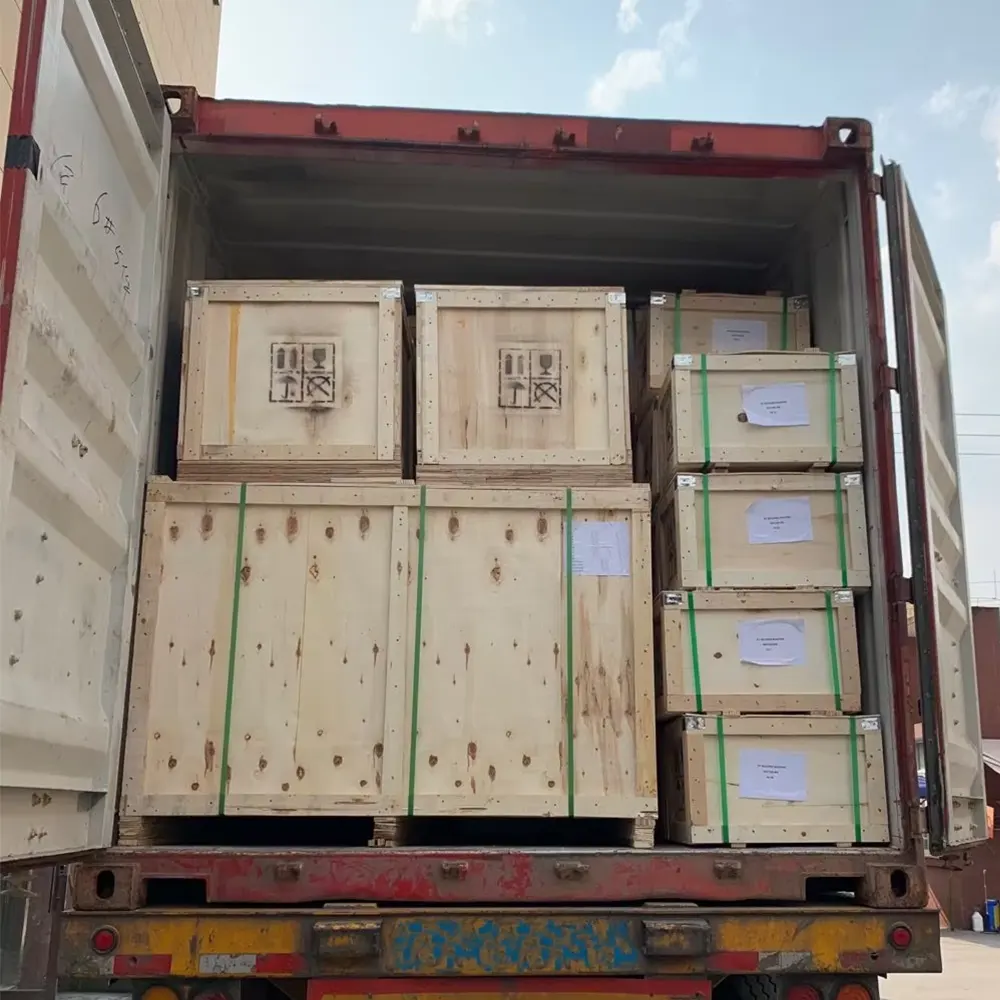
JQ-Fusion, for example, emphasizes fast response, technical guidance, and efficient shipping support. These capabilities are important for overseas projects where delays can affect labor schedules and contract deadlines. A supplier with strong export experience can reduce friction throughout the buying process.
Another reason experienced manufacturers are trusted is consistency. Buyers want the same quality from one shipment to the next. A factory with strong process control and a large inventory is better positioned to maintain product consistency, even during high-demand periods.
FAQ
Q1: What should I check first when choosing a China HDPE welding machine supplier?
A1: Start with factory experience, product range, quality testing, customization ability, and after-sales support. These factors are more important than price alone.
Q2: Are Chinese HDPE welding machines suitable for international projects?
A2: Yes. Many Chinese manufacturers supply machines for global water, gas, mining, and industrial pipeline projects, especially when they provide export-ready configurations and certifications.
Q3: Why is OEM and ODM customization important?
A3: It helps buyers adapt machine specifications, branding, and design to local markets, giving distributors and contractors more flexibility and competitive advantage.
Q4: How can I tell if a supplier is serious about quality?
A4: Look for testing procedures, certification, stable production capacity, and clear technical documentation. Reliable suppliers usually explain how they inspect each machine before delivery.
Q5: What makes JQ-Fusion a good option?
A5: JQ-Fusion offers over 20 years of experience, a wide product range, strong quality control, OEM/ODM customization, and support for global customers with fast delivery and technical assistance.
If your goal is to find a supplier that combines technical capability, dependable quality, and practical service, then focusing on experienced manufacturers like JQ-Fusion is a smart starting point. In a competitive market, the best supplier is the one that helps you deliver safe, durable, and efficient welding results every time.



