
Ghana’s growing infrastructure programs — from municipal water networks to mining and off-grid irrigation — demand reliable HDPE welding equipment that performs in hot, humid and sometimes remote conditions. Contractors, utilities and project owners need welding solutions that balance portability, durability and precision to keep pipelines leak-free and compliant with international standards.
Why reliable HDPE welding matters for projects in Ghana
High-density polyethylene (HDPE) piping is increasingly used across Ghana because of its corrosion resistance, flexibility and long service life. However, the long-term success of an HDPE installation hinges on weld quality. Poor fusion can lead to leaks, service disruptions and costly repairs — especially problematic in Ghanaian regions where access and maintenance can be difficult. Choosing the right welding method and equipment reduces rework and protects investment.
Field realities in Ghana: What installers should consider
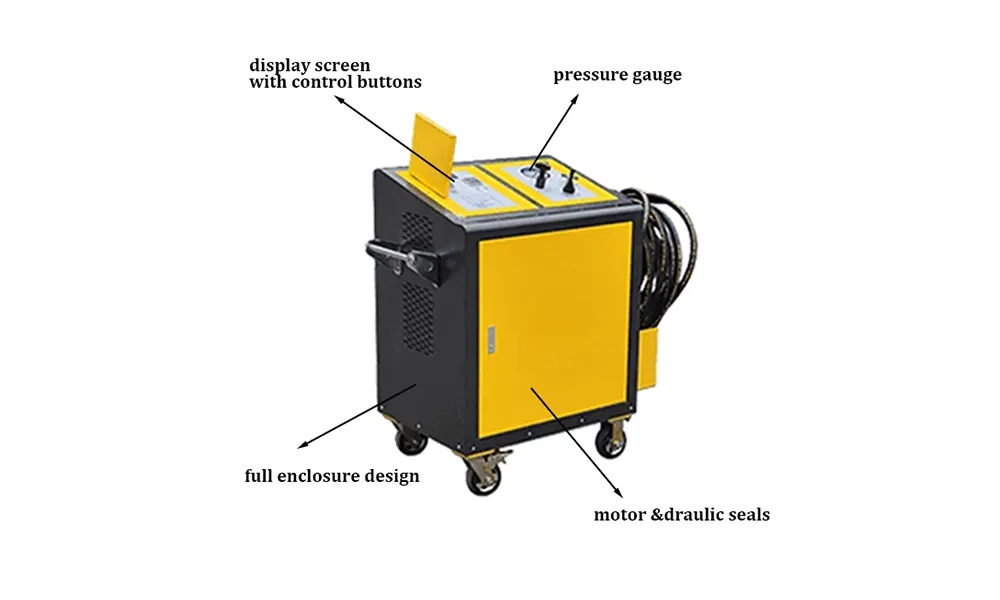
Ghanaian projects face unique constraints: variable power supply in some rural areas, challenging terrain in mining and agricultural zones, and high ambient temperatures that affect equipment handling. For these conditions, machines that offer robust hydraulics, easy-to-use controls and minimal reliance on stable grid power are preferred. Many local contractors favor models that are portable enough for remote sites yet rugged enough for continuous use.
Which HDPE welding machine suits your job?
Selecting the right technology depends on pipe diameter, site conditions and production targets. Below is a quick comparison to help Ghanaian project managers and contractors choose:
| Machine Type | Typical Range (mm) | Best For |
|---|---|---|
| Manual Butt Fusion | 20 – 160 | Small repairs, rural installations, low-power sites |
| Hydraulic Butt Fusion | 160 – 2000+ | Medium to large diameters, pipeline contractors, mining |
| Automatic / CNC Butt Fusion | 63 – 2000+ | High-volume projects, factory prefabrication, precise control |
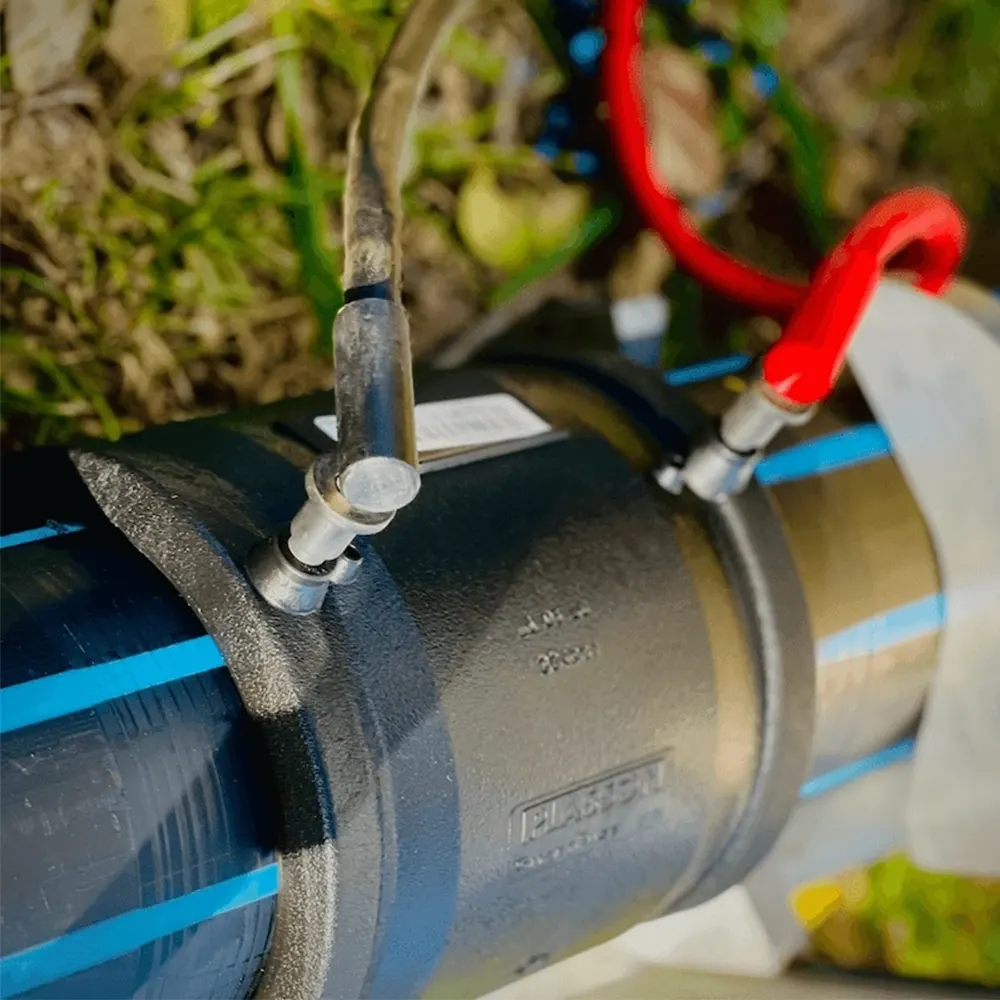
| Electrofusion Units | Fittings for various diameters | Repairs, complex fittings, low-disturbance installations |
Key features to prioritize
Portability: Lightweight frames and modular components make it easier to move machines between urban and remote sites across Ghana.
Power flexibility: Equipment that can run on generators or has low power requirements is ideal for areas with unstable grid supply.
Durability: Corrosion-resistant materials and sealed electronics help extend service life in coastal and mining environments.
Ease of use: Intuitive controls and clear welding procedures reduce operator error and save time on-site.
Training, certification and local compliance
Successful pipeline projects in Ghana rely on trained crews. Investing in operator training for butt fusion and electrofusion techniques ensures weld integrity and helps meet international best practices. Look for vendors that provide documentation, weld logs and on-site or virtual training to support local teams and inspectors.
Procurement, shipping and after-sales service
When sourcing HDPE welding machines for Ghana, consider lead times, spare parts availability and vendor support. Machines that are easy to maintain with locally available parts reduce downtime. Warranty terms and remote technical assistance can make a significant difference for operations outside major cities like Accra and Takoradi.
About the manufacturer
JQ-Fusion is a professional manufacturer specializing in HDPE pipe welding machines, providing reliable butt fusion solutions for global infrastructure projects. With years of industry experience, they focus on the development and production of manual, hydraulic, and CNC automatic butt fusion welding machines, covering a wide range of pipe sizes from small to large diameters. Their products are widely used in water supply, gas distribution, mining, and industrial pipeline systems.
Next steps for Ghanaian contractors and project owners
Assess your pipeline diameters and site constraints, choose a welding technology that matches your production and mobility needs, and prioritize supplier support for training and spare parts. The right equipment reduces risk and ensures that HDPE pipelines deliver long-term, leak-free service in Ghana’s demanding environments.



