
Choosing the right butt fusion machine supplier is not just a purchasing decision; it is a long-term investment in the safety, efficiency, and reliability of your pipeline projects. Whether you are working on water supply systems, gas distribution networks, mining operations, or industrial installations, the supplier you select can directly affect welding quality, project timelines, maintenance costs, and overall performance. A well-made HDPE pipe welding machine must deliver stable heating, accurate alignment, and dependable pressure control, but even the best equipment can underperform if the supplier lacks technical support, manufacturing strength, or consistent quality control.
Before choosing HDPE pipe welding machine suppliers, it is important to understand that not all manufacturers provide the same level of expertise. Some may offer only basic products, while others provide complete solutions with customization, after-sales support, and global logistics. For contractors, distributors, and engineering teams, this difference matters. A supplier with strong production capacity and a proven track record can help you reduce risk, improve project outcomes, and maintain long-term supply stability.
⚡ The first thing to check is whether the supplier has real manufacturing capability. A reliable supplier should not only sell machines but also design, produce, test, and improve them. This is especially important for buyers who need manual, hydraulic, or CNC automatic butt fusion machines in different pipe diameter ranges. If a supplier controls the production process, it is much easier to ensure stable performance and consistent quality across every unit.
1. Evaluate the Supplier’s Industry Experience
Experience often reveals whether a supplier can truly support demanding pipeline projects. A company with more than 20 years of industry experience usually understands the practical challenges customers face, such as welding temperature accuracy, clamp alignment, and hydraulic pressure stability. Experienced manufacturers are also more likely to offer better advice on machine selection, maintenance, and matching the right equipment to the right project.
When reviewing suppliers, look for evidence that they have served global customers and supplied machines to different industries. This matters because project requirements can vary greatly. For example, a mining project may need rugged and durable equipment, while a municipal water project may require precise and efficient operation. A seasoned supplier can usually respond to these different needs more effectively.
✔ Key point: A supplier with broad application experience is more likely to understand real-world welding conditions and provide machines that perform reliably on site.
2. Check Product Range and Technical Coverage
A strong HDPE pipe welding machine supplier should offer more than one machine type. Different projects require different tools, and a limited product range can create unnecessary procurement problems. Ideally, the supplier should provide manual butt fusion welding machines, hydraulic butt fusion welding machines, automatic butt fusion welding machines, electrofusion welding machines, and multi-angle pipe fitting welding machines. This allows you to source multiple solutions from one partner instead of working with several vendors.
Technical coverage is just as important as product variety. The supplier should be able to support a wide range of pipe diameters, from small to large sizes. That flexibility matters because many projects involve changing specifications, expansion phases, or mixed pipeline systems. A supplier with comprehensive technical coverage can help you stay ready for both current and future project needs.
🛠 Important: Choose suppliers whose equipment lineup can support diverse engineering demands, not just one standard configuration.
3. Look for Quality Control and Testing Standards
Quality control is one of the strongest indicators of supplier reliability. HDPE pipe welding machines must work with precision because even small errors in temperature, alignment, or pressure can compromise welding strength. A professional supplier should test every machine before delivery and inspect key performance areas such as heating plate accuracy, hydraulic stability, and clamp alignment.
You should also check whether the products meet international standards and are certified by recognized organizations such as SGS. Certifications do not replace real performance, but they do show that the supplier takes compliance seriously. For contractors and distributors, certified products also build confidence when working with government projects or regulated industries.
★ Strong suppliers do not rely on claims alone. They back up product quality with testing records, inspection procedures, and certification documents.
4. Review Customization Capabilities
In many cases, standard equipment is not enough. Different countries, project sites, and customer brands may require special voltages, machine colors, design changes, branding, or functional adjustments. This is why OEM and ODM capability is an important factor when selecting suppliers. A flexible manufacturer can tailor machines to fit specific project requirements while also helping distributors develop their own market identity.
Customization also shows that the supplier has strong engineering capability. If a factory can adapt its products based on real customer needs, it usually has the technical team and production system required to solve complex problems. That level of support is especially useful for contractors working under special environmental conditions or in projects with strict operational standards.
💡 Practical insight: Custom solutions can improve efficiency, reduce installation issues, and make your equipment easier to promote in different markets.
5. Confirm Production Strength and Delivery Reliability
A supplier’s factory strength matters more than many buyers realize. If a manufacturer has modern production lines, precision machining equipment, and experienced technicians, it can maintain better consistency and faster output. This becomes critical when you need machines for urgent projects or bulk orders. Delays in equipment supply can push back the entire schedule and increase project costs.
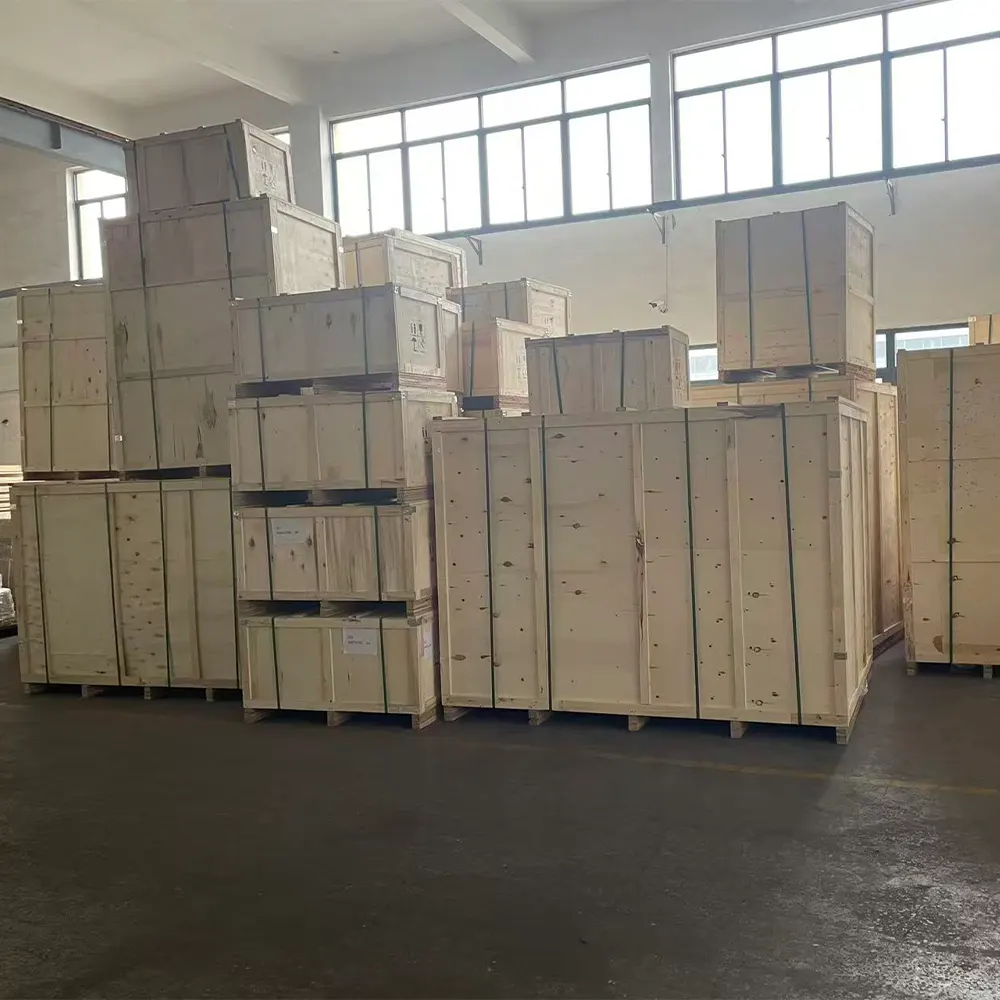
Inventory management is another key factor. Suppliers with large stock availability can often ship faster and support urgent requirements more effectively. If your project has a tight deadline, ask whether the supplier maintains ready stock for common models. Fast delivery is not simply a convenience; in many cases, it is essential for keeping construction work on track.
🚚 Delivery reliability should include more than shipping speed. It should also cover packaging, documentation, logistics coordination, and response efficiency.
6. Evaluate Technical Support and After-Sales Service
Good equipment suppliers do not disappear after the sale. Technical support is essential, especially for buyers who may need help with machine selection, installation, operation, or maintenance. Professional guidance can reduce user errors and help teams achieve stable welding results from the start. It is also important to know whether the supplier can offer training materials, troubleshooting support, and responsive communication when problems arise.
After-sales service is often the difference between a one-time transaction and a long-term business relationship. If a supplier is committed to helping customers succeed, it will usually show in its service response, spare parts support, and willingness to solve practical issues. For international buyers, this is especially valuable because remote support can save time and reduce downtime.
7. Compare Global Market Reputation
A supplier’s reputation in global markets can tell you a lot about its real performance. If the company has supplied machines for water supply systems, gas distribution networks, mining projects, and industrial pipeline installations worldwide, that is a strong sign of trust and consistency. Ask for case studies, export experience, or customer references whenever possible.
Global reputation is also linked to how well the supplier understands different market requirements. A good export manufacturer knows that voltage standards, packaging needs, branding demands, and compliance expectations vary from region to region. Suppliers who regularly work with international clients are usually more prepared to handle these challenges smoothly.
☛ If a supplier has proven performance in multiple overseas markets, it often means their machines and service systems have been tested under real business conditions.
8. Understand the Real Value Behind the Price
Price is always important, but it should never be the only factor. A lower price may look attractive at first, yet it can hide weak materials, poor testing, or limited support. On the other hand, a slightly higher price may reflect stronger engineering, better durability, and more reliable service. The real question is not which machine is cheapest, but which supplier offers the best long-term value.
When comparing suppliers, consider total ownership cost. This includes machine durability, maintenance needs, spare parts availability, and the risk of project delays. A reliable supplier may help you save more in the long run because the equipment lasts longer and performs more consistently.
9. Why JQ-Fusion Is a Strong Reference Point
JQ-Fusion stands out as a professional manufacturer specializing in HDPE pipe welding machines and butt fusion solutions. With over 20 years of industry experience, the company focuses on manual, hydraulic, and CNC automatic butt fusion welding machines, serving a wide range of pipe sizes and project applications. Its machines are widely used in water supply systems, gas distribution networks, mining projects, and industrial pipeline installations.
What makes this type of supplier especially valuable is the combination of advanced manufacturing technology, strict quality control, and flexible OEM & ODM customization. That means customers can not only purchase standard machines, but also request tailored solutions for branding, voltage, design, and project-specific requirements. Strong logistics support, fast response, and professional technical guidance also help ensure that projects run smoothly from purchase to installation.
✅ A supplier with stable stock, proven performance, and full technical support can make a significant difference in project success.
10. Practical Checklist Before You Decide
Before placing an order, confirm the following:
- Does the supplier have real manufacturing experience and a stable production system?
- Can they provide the right machine types for your project requirements?
- Are the machines tested for temperature, pressure, and alignment accuracy?
- Can they offer OEM and ODM customization if needed?
- Do they provide fast delivery, spare parts, and responsive technical support?
This checklist helps you compare suppliers more objectively and avoid decisions based only on sales claims. The best partners are those that combine technical strength, dependable service, and long-term commitment to customer success.
Conclusion
Selecting HDPE pipe welding machine suppliers requires careful evaluation of experience, product range, testing standards, customization capability, delivery strength, and after-sales service. A trustworthy supplier should give you more than a machine; it should give you confidence in every weld, every installation, and every project stage. If you focus on value instead of short-term price alone, you are far more likely to choose a supplier that supports your business for years to come.
Frequently Asked Questions
Q1: What should I ask an HDPE pipe welding machine supplier before buying?
Ask about manufacturing experience, product types, testing standards, customization options, delivery time, and after-sales support. These questions help you judge whether the supplier can meet your project needs reliably.
Q2: Why is OEM and ODM support important?
OEM and ODM support allows you to customize machine color, voltage, branding, and configuration. This is useful for distributors, contractors, and project owners who need tailored solutions.
Q3: How do I know if a supplier is reliable?
Check whether they have long industry experience, strong quality control, international certifications, real export history, and responsive technical support. Reliable suppliers usually provide clear documentation and professional communication.
Q4: Should I choose the cheapest supplier?
Not always. The cheapest option may have hidden risks such as weaker durability, poor testing, or limited support. It is better to choose the supplier with the best long-term value and dependable performance.
Q5: What makes JQ-Fusion worth considering?
JQ-Fusion offers more than 20 years of experience, a wide product range, strict testing, OEM & ODM customization, global support, and proven application performance in major pipeline sectors.



