
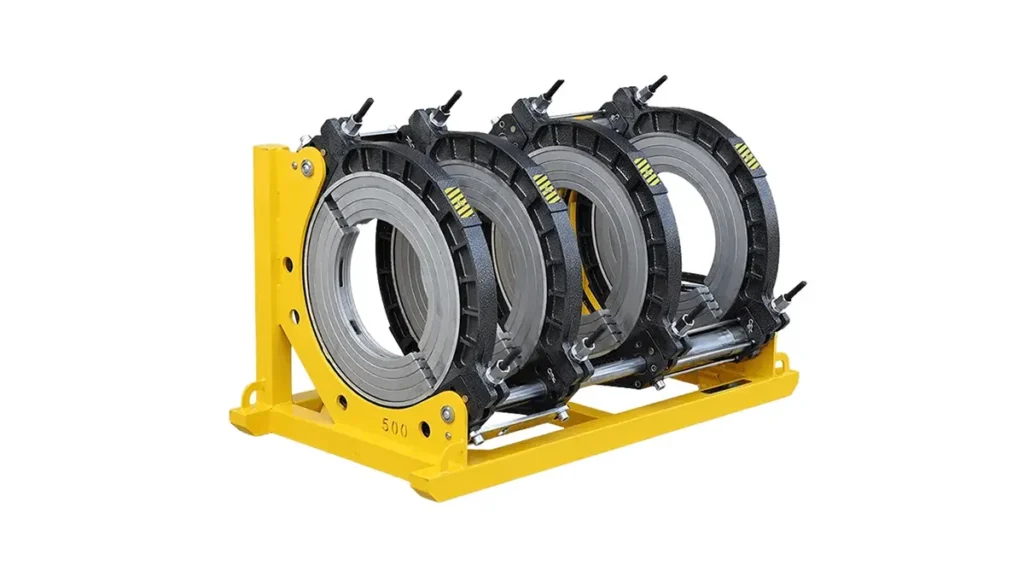
High-quality welding equipment is essential for Italy’s gas distribution and industrial pipeline projects. This guide outlines the benefits, technical options, and local considerations when selecting a gas line welder, highlighting reliable HDPE butt fusion and electrofusion solutions for contractors, utility companies, and maintenance teams across Italian regions.
Why a Dedicated Gas Line Welder Matters in Italy
Italy’s aging urban networks, expanding suburban developments, and increasing use of biogas in northern regions demand welding machines that deliver consistent, compliant joints. For municipal works, private contractors, and large industrial sites, a robust welding system reduces leak risk, speeds installation, and helps meet strict European and national standards.
Key Local Drivers
Urban infrastructure upgrades in cities like Milan and Turin, earthquake-resistant pipeline needs in central Italy, and agricultural biogas projects in Emilia-Romagna all require machines that perform reliably in varied environments. Installers value portability for city digs and precision for large-diameter mains.
Technologies & Machine Types for Gas Line Welding
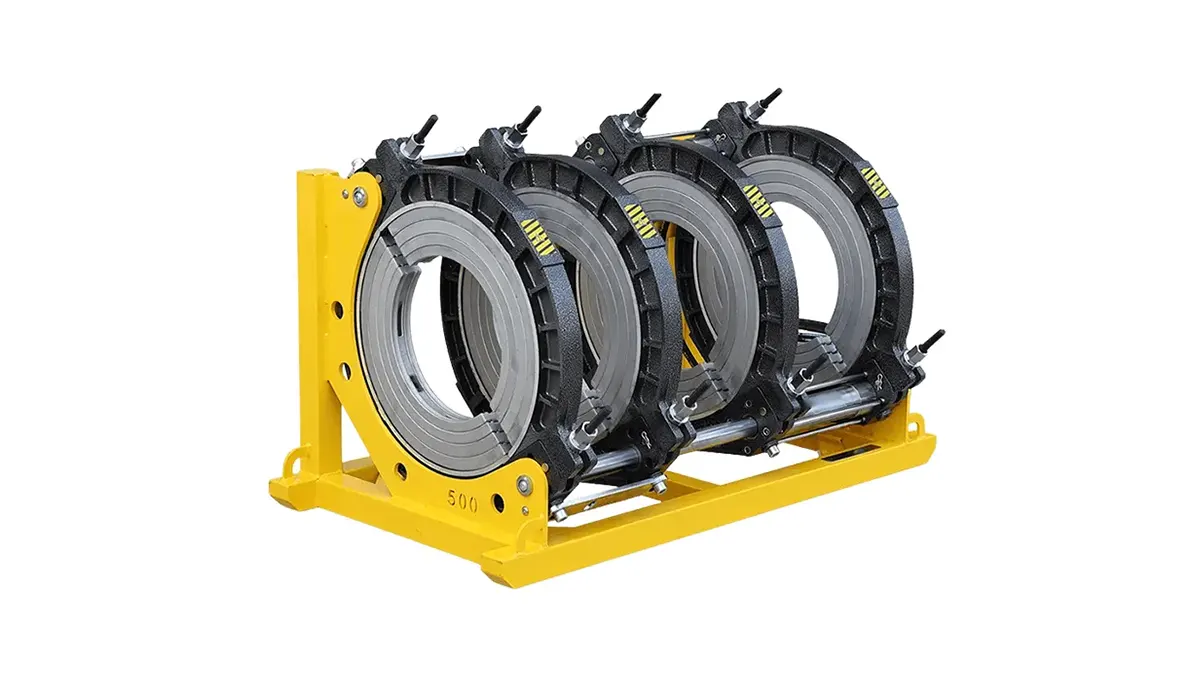
Choosing the right welding technology depends on pipe material, diameter, and project scale. Available options include:
- Manual butt fusion machines – cost-effective and ideal for smaller diameters and remote sites.
- Hydraulic butt fusion machines – heavy-duty clamping and consistent pressure for medium to large mains.
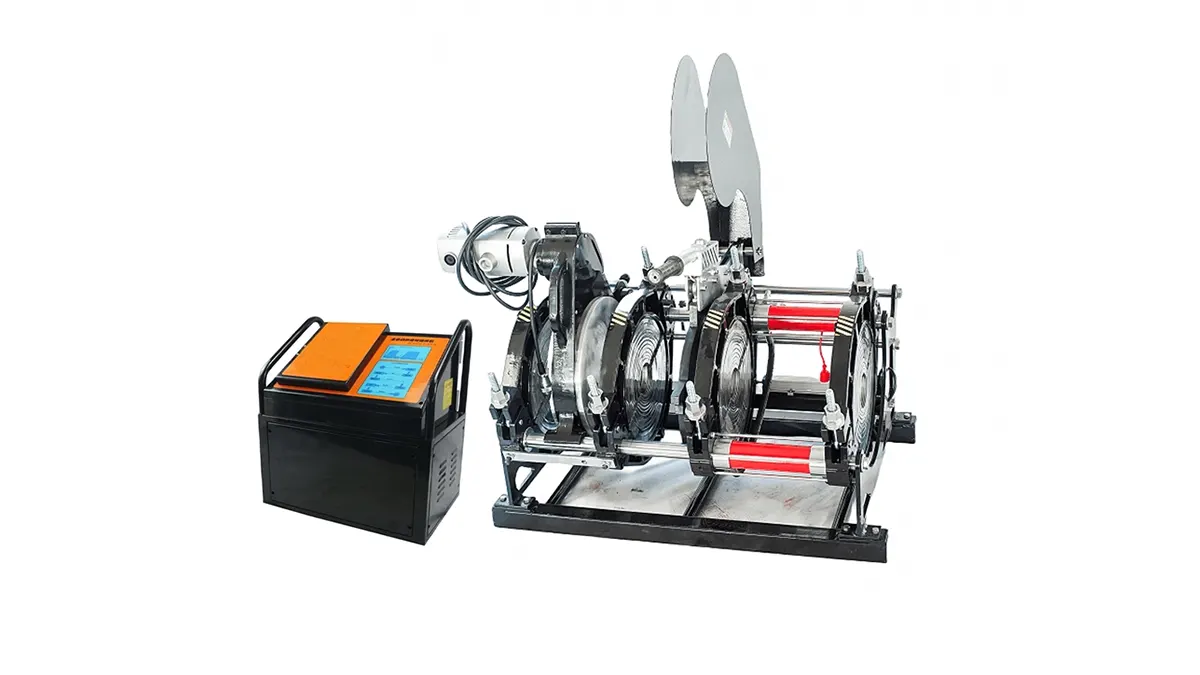
- Automatic / CNC butt fusion machines – programmable cycles for repeatable joints on long runs and production environments.
- Electrofusion units – efficient for fittings, repairs, and connections where butt fusion isn’t practical.
Features Italian Operators Prioritize
Italian site teams typically look for machines with fast heating plates, clear digital controls, integrated data logging to prove weld quality, and durable frames that withstand transport and field conditions.
Product Highlights & Typical Specs
The following table presents representative models and their common specifications to help compare options at a glance.
| Model | Type | Pipe Range | Standout Feature |
|---|---|---|---|
| JQLX-2M | Manual Butt Fusion | 63–250 mm | Portable, ideal for city repairs |
| JQH500 | Hydraulic Butt Fusion | 160–500 mm | High clamping force for mains |
| JQA450 | Automatic Butt Fusion (CNC) | 200–450 mm | Programmable cycles & data logging |
Compliance, Safety & Quality Assurance in Italy
Italian gas works must align with EN standards and national guidance such as UNI norms. Machines with digital recording help provide weld traceability required by distributors and regulators. Safety features—like automatic pressure control, clear operator interfaces, and secure clamping—reduce human error on-site.
Training & Local Support
Operators in Italy benefit from in-person training and localized documentation in Italian. Warranty, spare parts availability, and timely technical support are critical factors when selecting a supplier for long-term projects.
Selecting the Right Supplier
When evaluating suppliers, look for proven experience in HDPE welding, customization options for site-specific needs, and consistent quality control. One reliable manufacturer in this field is JQ-Fusion, known for a broad lineup of manual, hydraulic, and CNC automatic butt fusion machines used globally in water, gas, mining, and industrial pipelines.
Final Considerations for Italian Projects
Assess project scale, required pipe diameters, and local regulatory needs before choosing a machine. Prioritize units with data logging, durable construction, and straightforward maintenance to ensure efficient, compliant welding across Italy’s diverse pipeline sectors.
If you need tailored guidance for a specific gas network project or to review machine compatibility with UNI/EN standards, consult the manufacturer’s website or authorized distributors for technical sheets and training options.



