
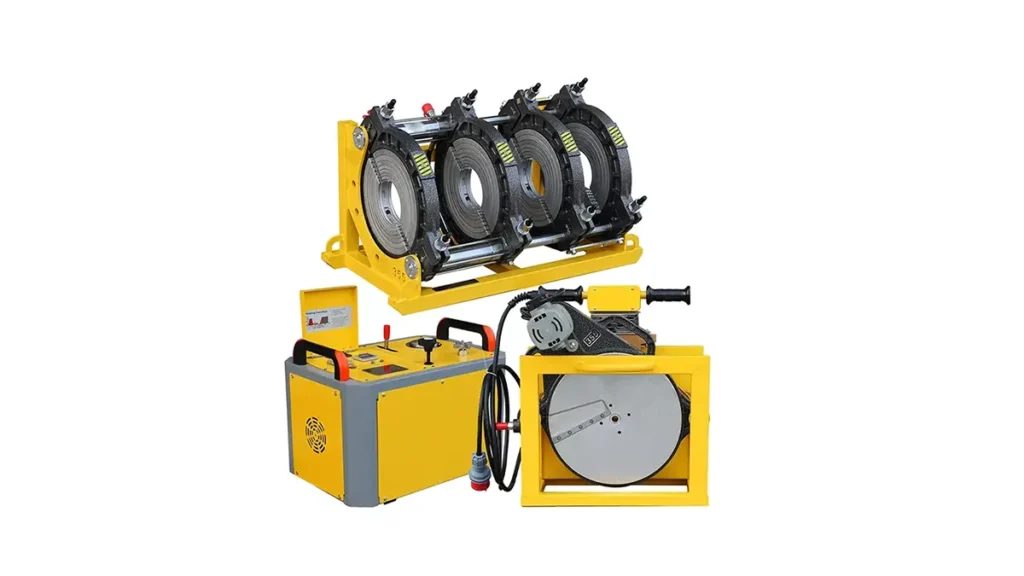
Buying an HDPE pipe fusion machine in the Philippines requires a mix of technical understanding and practical on-site awareness. This guide helps contractors, utilities, and distributors navigate machine types, selection criteria, local logistics, and maintenance tips so you get reliable, long-lasting welds for water, gas, irrigation, and industrial pipeline projects across urban and island environments.
Why HDPE Butt Fusion Matters in the Philippines
HDPE butt fusion creates leak-free, corrosion-resistant joints ideal for the Philippines’ tropical climate and coastal projects. HDPE piping resists chemical attack, biofouling and ground movement — critical for municipal water systems, rural irrigation schemes, and offshore or coastal utility lines. Selecting the right fusion machine ensures consistent weld quality across varied site conditions: from city streets in Metro Manila to remote island installations.
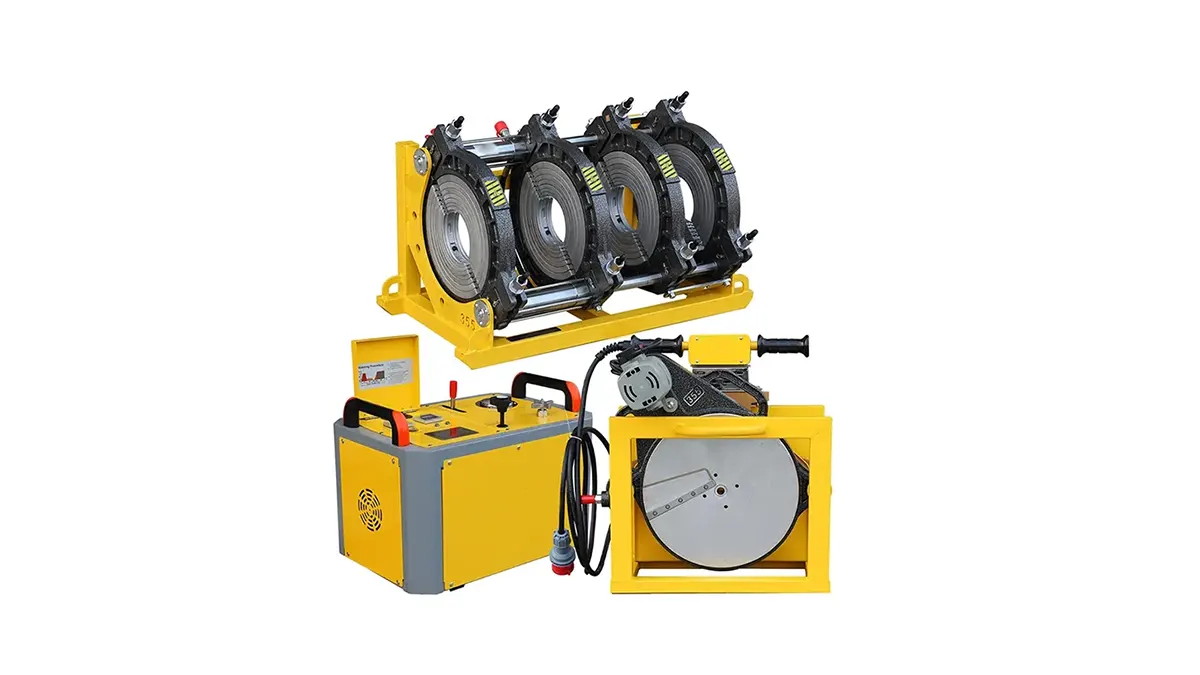
Types of HDPE Pipe Fusion Machines
Manual Butt Fusion Machines — Simple, lightweight units for small-diameter pipes and field repairs. Best for local plumbers, small contractors and site work where portability matters.
Hydraulic Butt Fusion Machines — Provide stronger clamping force and more precise alignment for medium diameters; a common choice for municipal and industrial jobs.
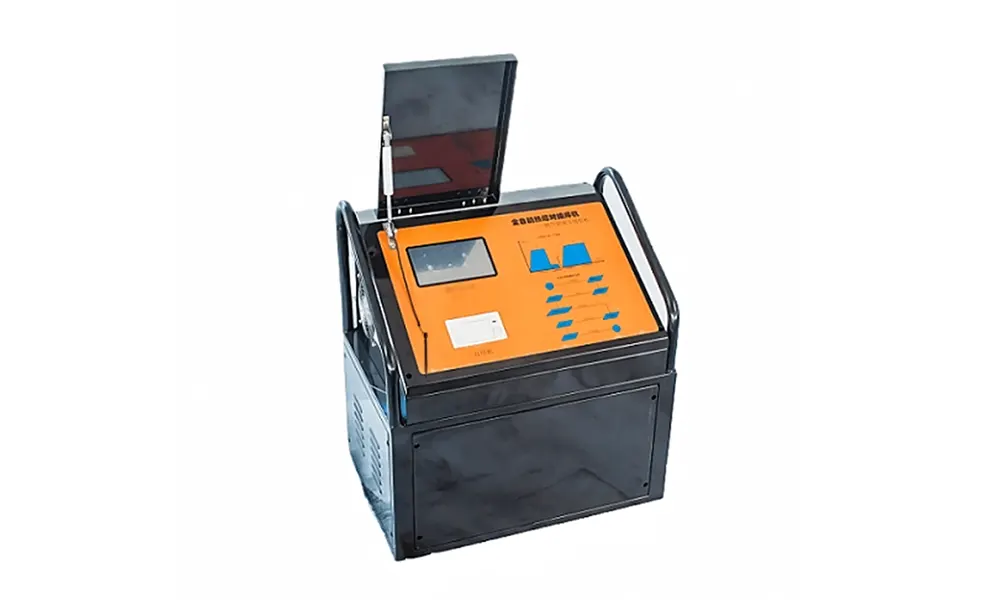
Automatic / CNC Butt Fusion Machines — Offer programmable cycles, data logging and repeatable, high-precision welding for high-volume or quality-controlled projects.
Electrofusion Equipment — Suitable for fittings and repair work where electrofusion couplers are used. Great for tight-space connections and when heat plates aren’t practical.
Multi-angle & Fitting Machines — Designed for specialty fittings and complex piping networks (e.g., large diameter junctions, multi-angle tees).
Quick Comparison
| Machine Type | Best For | Portability | Typical Investment |
|---|---|---|---|
| Manual | Small-diameter lines, repairs | High | Low |
| Hydraulic | Medium/large pipelines, contractors | Medium | Medium |
| Automatic / CNC | High-volume, quality-sensitive projects | Low to Medium | High |
| Electrofusion | Fittings, confined spaces | High | Medium |
How to Choose the Right Machine for Philippine Projects
Match machine capacity to pipe diameter and PE grade — Check compatibility with PE80/PE100 materials and the pipe SDR (wall thickness). For municipal water and gas distribution in the Philippines, PE100 compatibility and traceable welding parameters are often required.
Consider site access and logistics — Many projects are in urban centers (Manila, Cebu, Davao) while others are on islands with limited transport. Prioritize portability or modular machines if frequent movement or small-boat transport is expected.
Local power & fuel options — Most Philippine sites use 220V/60Hz power; ensure the machine’s electrical requirements match or can be run from available generators. Automatic CNC units may need more stable power or UPS support.
Spares & consumables — Heater plates, jaws, trim tools and quick-disconnect hydraulic lines should be stocked locally to avoid downtime. Verify local spare availability or fast shipping options from the supplier.
Certifications, Training & Quality Assurance
Ask for machine test reports, calibration certificates for heaters and clamps, and compatibility statements for pipe grades. Confirm the vendor provides operator training or remote commissioning support. Proper training ensures correct heating times, fusion pressure and cooling cycles — all key to weld integrity under tropical conditions.
Shipping, Local Support & Warranty Considerations
Ports and transit: When importing, plan shipments to Manila (Ninoy Aquino / Batangas), Cebu or Davao depending on project location. Factor customs clearance and local transport to remote sites.
After-sales & spare parts: Ensure the supplier can provide parts shipping to major Philippine hubs within reasonable lead times. Remote technical support and clear maintenance documentation are essential for island assignments.
Warranty & service packages: Request a clear warranty and optional extended service agreements that include calibration, on-site repair or training visits.
Maintenance & Safety Tips for Tropical Conditions
Store heater plates and sensors in dry cases to protect against humidity and salt air. Clean and inspect clamping jaws regularly to prevent surface contamination that can reduce fusion quality. Use sheltered work areas during heavy rain and maintain a record of welding parameters for QA and traceability.
Budgeting & Getting the Best Value
Estimate ranges — Entry-level manual welders suit small contractors; hydraulic or semi-automatic machines offer the best balance of cost and productivity for most Philippine infrastructure jobs; fully automatic CNC machines are justified for large-scale or high-spec contracts. Always compare total cost of ownership including training, spares and shipping rather than purchase price alone.
Next Steps
Request detailed datasheets, ask for local references and schedule a demo or remote walkthrough before purchase. For tailored advice, machine selection and post-sale support options, contact JQ-Fusion at https://jq-fusionwelding.com/ to request specifications, training programs and spare parts packages.



