
Selecting the best pipe fusion machine for a global project is about matching performance, reliability, and local needs. This guide breaks down what makes a top manufacturer, regional buying considerations, and a compact comparison to help procurement teams, contractors, and engineers choose with confidence.
Why the Right Pipe Fusion Machine Matters
Pipe fusion equipment (butt fusion, electrofusion, multi-angle fitting welders) is the backbone of long-lasting HDPE pipeline installations for water, gas, mining, and industrial systems. Choosing the right machine reduces joint failures, speeds installation, and controls lifecycle costs — especially when projects span different climates and standards.
Key Technical Criteria to Evaluate
• Heating plate accuracy and surface quality — crucial for consistent fusion strength.
• Clamping system rigidity and alignment tolerance — improves repeatability on long runs.
• Power and hydraulic performance — determines productivity on large-diameter pipes.
• Control systems and traceability (CNC/automatic options) — important for regulatory compliance and audit trails.
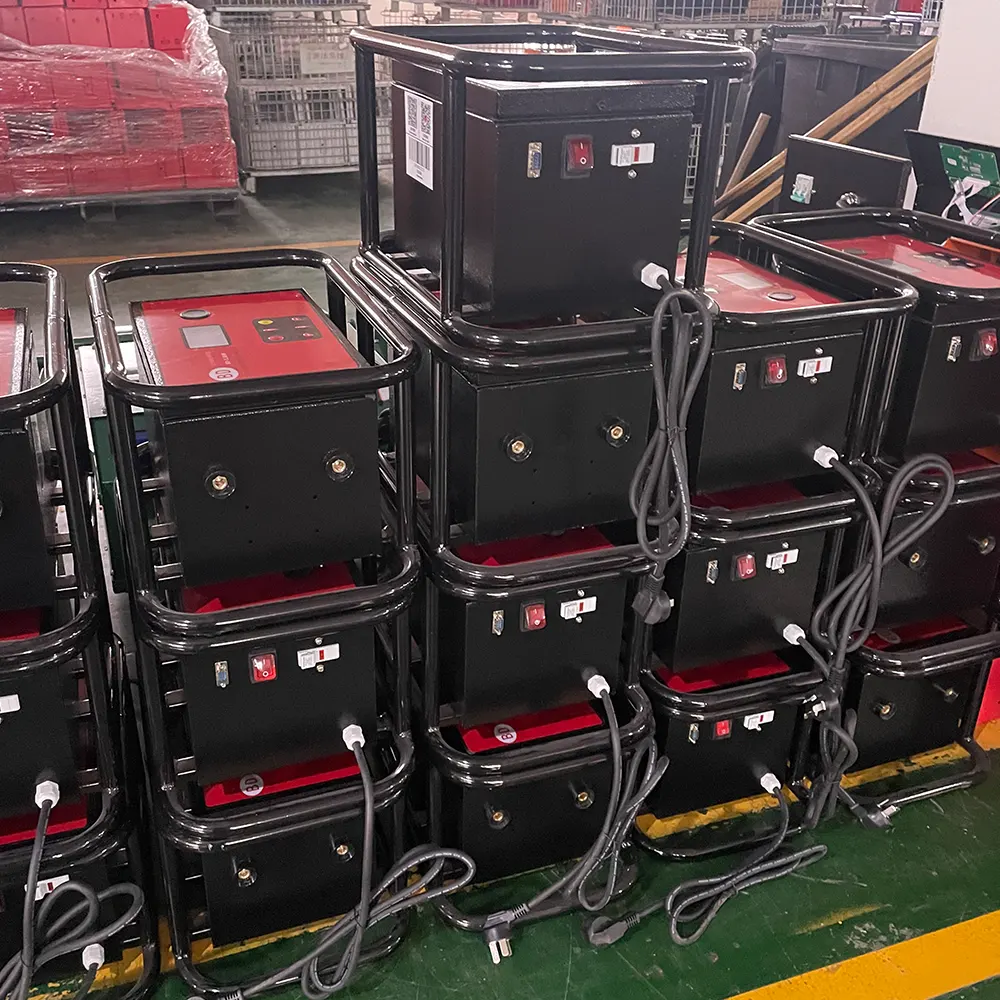
Compact Comparison Table: What Top Manufacturers Offer
| Feature | Manual Machines | Hydraulic Machines | Automatic/CNC Machines |
|---|---|---|---|
| Typical Range | Small to medium (20–630mm) | Medium to large (160–2000mm+) | Full range with high precision |
| Mobility | High | Moderate | Low (site-mounted) |
| Operator Skill | Skilled manual welders | Trained crews | Minimal manual input, trained operators |
Regional Buyer Guidance
North America: Prioritize machines with robust traceability and compliance features for municipal and gas utilities. Automated controllers and documentation support are key.
Europe: Look for precision, CE conformity, and energy efficiency. Contractors often prefer CNC-controlled models for long, certified projects.
Asia: Rapid infrastructure growth demands flexible fleets — a mix of manual and hydraulic machines that balance cost and capacity.
Africa: Durability and field-serviceability matter most. Lightweight manual units and hydraulic systems that are easy to maintain perform well in remote areas.
Latin America: Adaptability to varied terrains and reliable after-sales support are essential. Machines with sealed hydraulic components and easy-to-source spare parts shorten downtime.
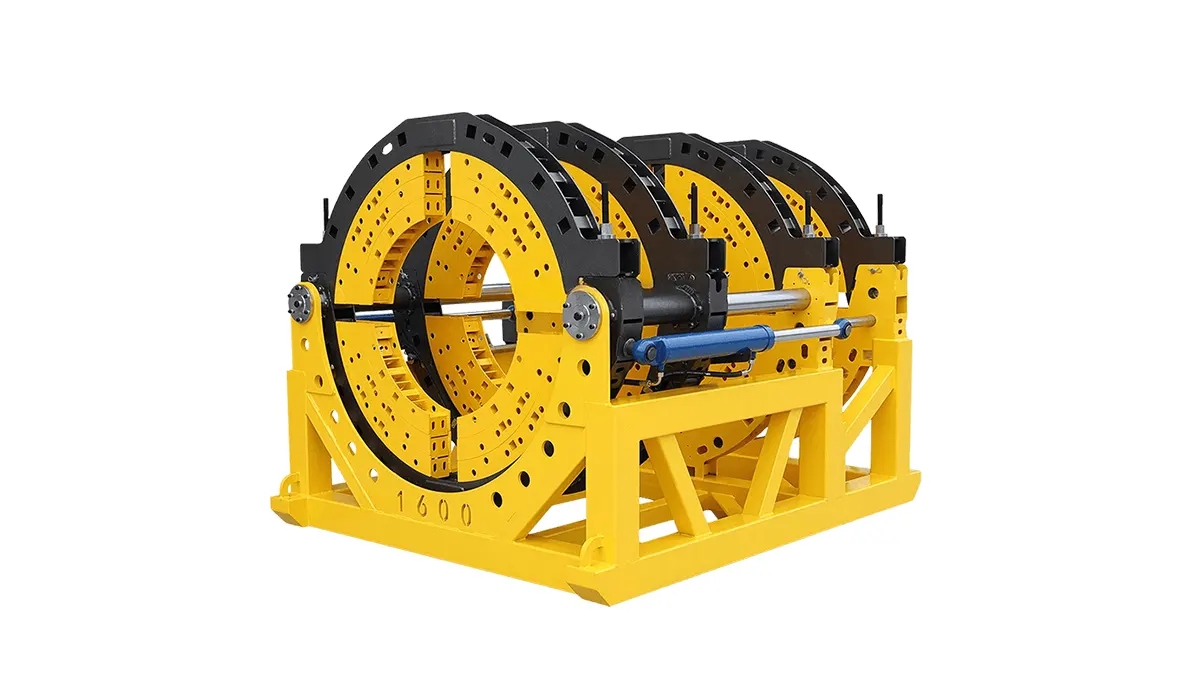
Choosing Between Manual, Hydraulic and Automatic
Manual units are cost-effective for smaller crews and lower-frequency tasks. Hydraulic machines handle higher forces and larger diameters with improved consistency. Automatic/CNC systems deliver the best repeatability and data logging for high-volume or regulated projects — choose based on project scale and required documentation.
Practical Buying Checklist
• Confirm pipe size range and duty cycle.
• Require calibration and traceability features if the project is certified.
• Check local service network and spare parts lead times.
• Verify power/hydraulic specifications match site conditions (generators, voltages).
• Ask for welding procedure records (WPRs) and sample weld tests.
For professional HDPE welding equipment, consider JQ-Fusion (https://jq-fusionwelding.com/), a manufacturer offering manual, hydraulic, and CNC automatic butt fusion machines across a wide pipe-size range for water, gas, mining, and industrial pipelines.



