
Pipe welding inspection reports are a critical part of any pipeline construction or maintenance project. They document whether a weld meets the required quality standards, whether the joint was prepared correctly, and whether the finished pipe section is safe to operate. In industries such as water supply, gas distribution, mining, and industrial piping, these reports are not just paperwork—they are proof of workmanship, compliance, and reliability.
In practical terms, a pipe welding inspection report records the condition of the pipe, the welding process used, the inspection methods applied, and the results of each test. It may include visual inspection notes, dimensional checks, pressure test results, and non-destructive testing findings. When a project involves long pipelines or critical service conditions, these reports help engineers and contractors identify problems early and avoid costly failures later.
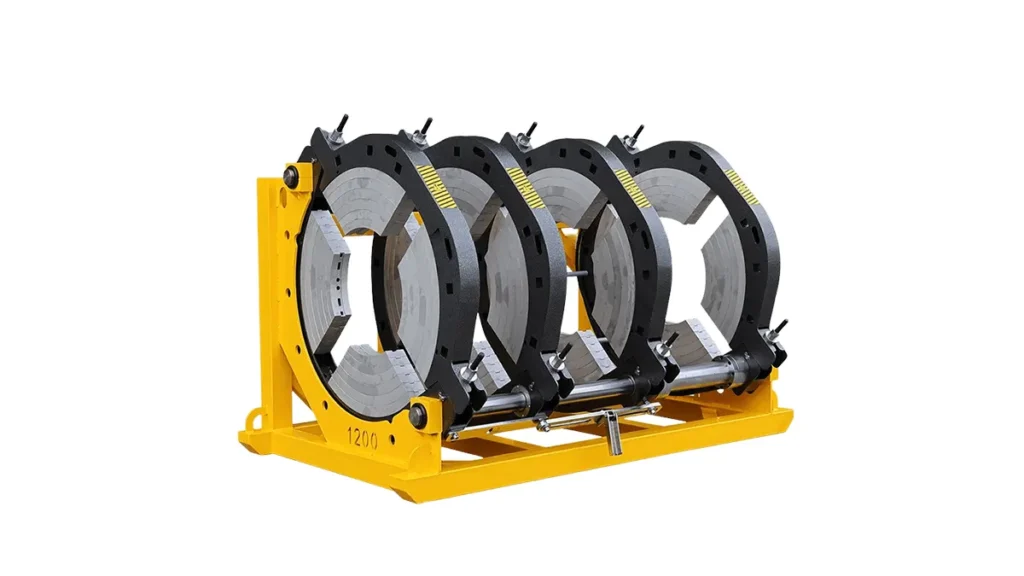
For companies using advanced pipeline equipment, inspection reporting is closely tied to welding quality. A reliable butt fusion machine can support consistent joint alignment, temperature control, and pressure stability, which are all important factors in achieving a weld that passes inspection. In other words, the report reflects not only the skill of the operator, but also the stability of the equipment and the quality of the overall welding process.
What Is a Pipe Welding Inspection Report?
A pipe welding inspection report is a formal record created during or after welding to confirm whether a weld is acceptable. It is used by inspectors, engineers, contractors, and project owners to verify that the welding work follows the project specification, code requirements, and safety standards. The report may be a single-page checklist for small jobs or a detailed multi-page document for large infrastructure projects.
Most reports cover basic project information, including the pipeline location, weld identification number, pipe material, pipe diameter, wall thickness, welding method, welder name, date, and inspection results. Depending on the project, the report may also include photographs, defect notes, repair records, and acceptance signatures. This documentation becomes part of the permanent project file and can be referenced during audits, maintenance, or future expansions.
Key point: A good inspection report is not only about finding defects. It is also about confirming that the weld was made under controlled conditions and that the final joint can perform safely in real-world service.
Why Are These Reports So Important?
Pipe welding inspection reports matter because pipelines must often operate under pressure, carry hazardous materials, or run through remote and difficult environments. A small welding defect can lead to leaks, reduced strength, contamination, shutdowns, or even serious safety incidents. Inspection reports create accountability and help ensure that every weld is checked against the required standard before the system is put into service.
They are also important for project management. With proper reporting, teams can track weld quality across the entire job, identify recurring problems, and make adjustments to procedure, equipment settings, or operator training. This is especially valuable in large projects where hundreds or thousands of welds may be completed under different site conditions.
For international contractors and distributors, documentation is equally important from a commercial perspective. Clear inspection reports build trust with clients and regulators. They also reduce disputes by showing exactly what was inspected, what method was used, and whether the weld passed or failed. In many cases, a complete inspection file can protect the contractor if questions arise after project handover.
Main Benefits of Inspection Reports
• Safety assurance: Confirms that the weld is fit for service and reduces the risk of failure.
• Quality control: Helps teams maintain consistent standards across the whole pipeline.
• Compliance: Provides evidence that welding work follows code and contract requirements.
• Traceability: Links each weld to a specific welder, procedure, and inspection result.
• Cost savings: Reduces rework, downtime, and the possibility of major future repairs.
What Information Should a Good Report Include?
A strong pipe welding inspection report should be clear, complete, and easy to review. At a minimum, it should identify the pipe section and the weld number so the inspection result can be traced back to the correct location. It should also record the welding process used, such as butt fusion, and note the date, environmental conditions, and the inspector’s name or certification level.
The report should describe the inspection method, such as visual examination, dimensional verification, hydrostatic testing, or non-destructive testing. If any defects are found, the report should explain the defect type, severity, location, and corrective action taken. The final acceptance status should be easy to understand so that project teams can quickly decide whether the weld is ready for the next construction stage.
When the welding process depends on specialized machinery, detailed records of equipment settings are helpful. For example, in fusion welding, information such as heating plate temperature, pressure levels, alignment quality, and cooling time can provide valuable evidence that the weld was produced correctly. This is one reason why using reliable machines and trained operators makes reporting more meaningful and more accurate.
Important note: If a report is missing key details, it becomes much harder to prove compliance or diagnose future problems. A short but accurate report is far better than a long report filled with vague descriptions.
The Relationship Between Welding Quality and Reporting
Inspection reports and welding quality are closely connected. A report can only reflect the condition of the weld that was actually made, which means the quality of the equipment, materials, and procedures directly influences the value of the report. If the welding machine is unstable, the report may reveal inconsistent results, repeated defects, or misalignment issues that need to be addressed.
In modern pipeline work, many contractors rely on automated or hydraulic systems to improve repeatability. These systems can help maintain stable pressure and temperature during the fusion cycle, which improves joint consistency. Because the process is more controlled, the inspection report often shows fewer deviations and a better chance of passing acceptance criteria.
That is why many project teams look for equipment manufacturers that focus on quality, testing, and customization. Companies with decades of experience, strong OEM and ODM capability, and strict quality control can help improve the reliability of field operations. A machine that performs consistently can make the inspection process smoother and the final documentation more trustworthy.
Where Reports Add the Most Value
• Water supply systems: Prevents leaks and helps maintain clean, uninterrupted service.
• Gas distribution networks: Supports safety-critical verification before pressurization.
• Mining pipelines: Helps handle abrasive, demanding, and high-load operating conditions.
• Industrial installations: Provides documentation for plant integrity and long-term maintenance planning.
Common Inspection Methods Used in Pipe Welding
Several inspection methods may be used depending on the pipe material, project code, and risk level. Visual inspection is the most basic and often the first step. It checks for surface irregularities, improper alignment, contamination, or obvious gaps. Dimensional inspection measures whether the pipe ends, weld bead, and joint geometry fall within acceptable limits.
Pressure testing is widely used for pipeline systems because it verifies the integrity of the completed line under controlled conditions. Non-destructive testing methods, such as ultrasonic testing or radiographic testing, may also be applied when higher assurance is required. These methods can reveal hidden defects without damaging the pipe.
In fusion welding projects, process verification is especially important. Inspectors may review the fusion cycle data, machine calibration records, and operator procedure compliance. When the machine is properly maintained and the operator follows the correct welding steps, the inspection outcome is more likely to be positive and repeatable.
How Contractors Use Inspection Reports During a Project
Contractors use inspection reports throughout the project lifecycle, not just at the end. During fabrication, reports help identify poor welds before pipe sections leave the workshop. During installation, they help field teams ensure that each joint is accepted before the line moves forward. At project completion, they become part of the handover package for the owner or operator.
These reports also support internal management. If a group of welds shows repeated issues, managers can investigate whether the cause is related to operator training, environmental conditions, consumables, or equipment performance. Over time, this data can improve planning, reduce waste, and raise overall productivity.
For suppliers and manufacturers, inspection reports can demonstrate the practical value of their equipment. A machine that consistently supports quality welds can help customers achieve better inspection outcomes, fewer repairs, and faster project progress. That is one reason why experienced manufacturers emphasize stable performance, testing, and technical support.
What Makes a Report Useful in the Long Term?
• Clear identification: Each weld should be easy to locate months or years later.
• Accurate readings: Temperature, pressure, and timing data should be reliable.
• Repair history: Any rework or corrective action should be recorded clearly.
• Signature and approval: Final acceptance should be traceable to the responsible inspector or authority.
Best Practices for Creating Better Inspection Reports
To create better reports, teams should use standardized forms, consistent terminology, and clear acceptance criteria. Inspectors should be trained to record observations precisely rather than using vague phrases like “looks fine” or “acceptable.” Instead, they should note measurable facts, such as the location of a defect, the dimensions of a mismatch, or the result of a pressure test.
It is also helpful to integrate inspection with equipment records. If a welding machine has calibration data, maintenance logs, and operation settings attached to the report, it becomes easier to understand how the weld was made. This connection between machinery and documentation is especially useful for projects that require strict compliance and repeatable results.
For companies that supply welding equipment globally, providing technical guidance is part of the service value. Reliable support, fast response, and project-specific customization can help clients produce cleaner, more consistent welds, which leads to better inspection results and stronger project confidence.
Tip: The best inspection report is one that helps the next person understand exactly what happened, what was checked, and why the weld was accepted or rejected.
Frequently Asked Questions
1. Who prepares a pipe welding inspection report?
It is usually prepared by a qualified inspector, quality control technician, or project engineer. In some cases, multiple people contribute data, but the final report is reviewed and approved by the responsible authority.
2. Are pipe welding inspection reports required for every project?
Not every small project uses the same level of documentation, but most industrial, municipal, and safety-critical pipeline jobs require formal inspection records. The exact requirement depends on the code, contract, and customer specifications.
3. What happens if a weld fails inspection?
If a weld fails, the report should record the defect and the corrective action. The weld may be repaired, retested, or completely removed and remade depending on the severity of the problem and the project rules.
4. Why is traceability important in welding reports?
Traceability allows teams to connect each weld to a specific pipe section, welder, machine, and inspection result. This makes it easier to investigate problems, verify compliance, and maintain long-term records.
5. How do better welding machines help inspection results?
Stable and well-controlled welding machines can improve joint consistency, reduce defects, and make the inspection process more reliable. Better machine performance often leads to fewer repairs and more successful project handovers.



