
HDPE electrofusion welding machines are a proven solution for creating leak-free joints in water and gas distribution systems across Romania. From Bucharest utilities upgrading old mains to rural projects in Transylvania and Dobrogea expanding gas services, reliable electrofusion equipment helps contractors and municipal teams meet EU standards and local regulations while keeping installation time and maintenance costs low.
Why Electrofusion Is Ideal for Romanian Water & Gas Networks
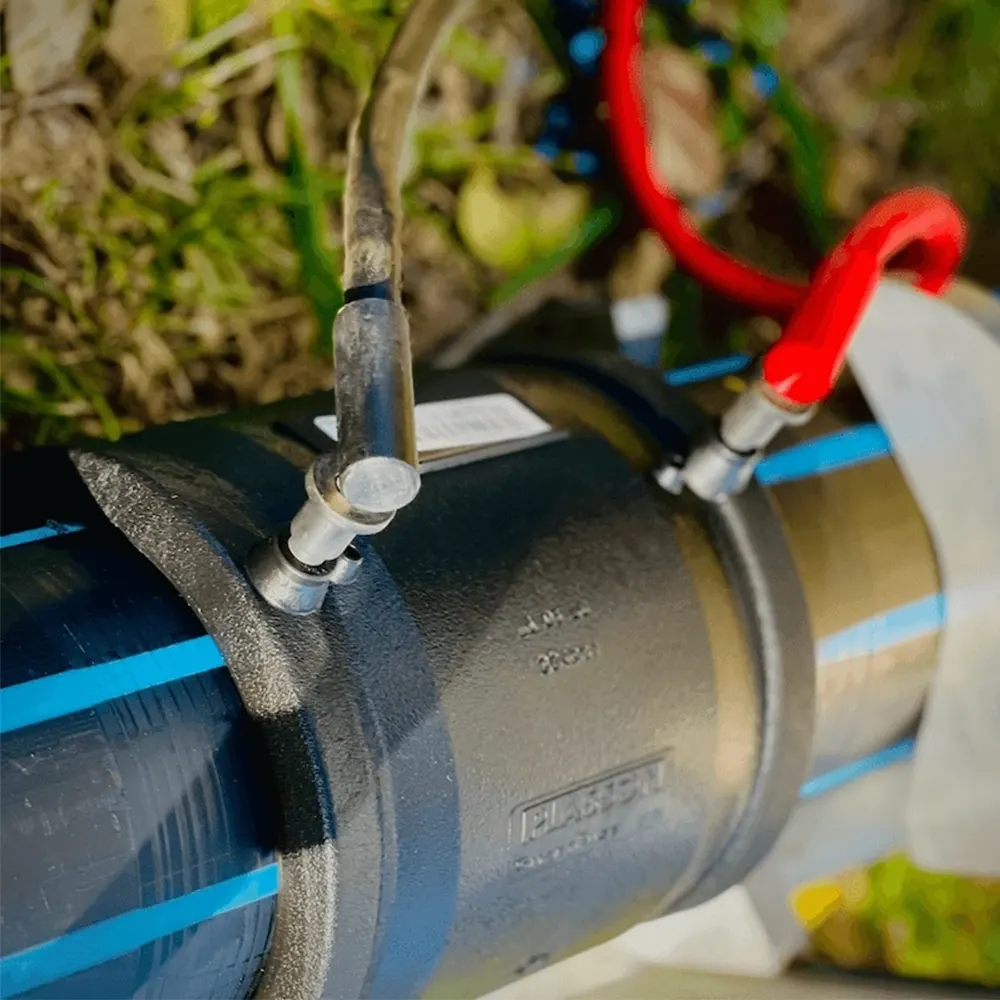
Electrofusion offers a controlled, consistent fusion process that is particularly suited to the varied terrain and climate across Romania. Whether installing new HDPE mains for urban water authorities or repairing polyethylene service lines in winter months, electrofusion machines deliver predictable results with minimal excavation and reduced risk of contamination.
Key Advantages
Consistent joint quality: integrated heating control and timed cycles ensure uniform welds; fast mobilization: compact electrofusion units are easy to transport across narrow streets and rural roads; safe for gas networks: fusion eliminates mechanical fasteners and potential leak points.
Common Applications in Romania
Electrofusion is widely used in:
- Urban water distribution — replacing aging iron and PVC lines with corrosion-resistant HDPE;
- Rural gas expansion — safe, joined service connections for single-family homes and small communities;
- Industrial sites — chemical and process piping that requires robust joint integrity;
- Repair and rehabilitation — quick on-site repairs for burst or damaged HDPE sections.
Selecting the Right Electrofusion Machine
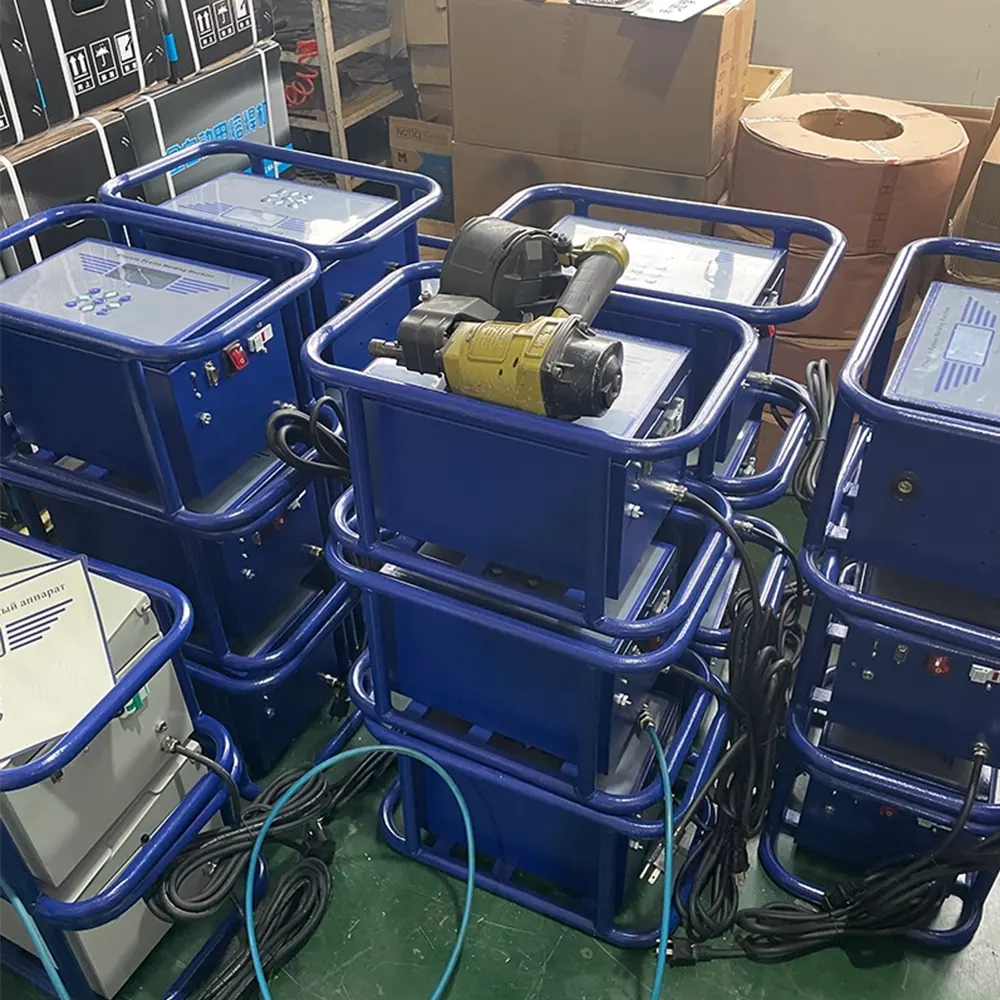
Choosing the proper machine depends on pipe diameter range, site conditions, and production volume. For small-diameter service connections, portable electrofusion units are ideal. For large trunk mains or high-volume projects, benchtop or trolley-mounted systems with precise amperage control and digital logging are preferred.
Machine Comparison at a Glance
| Machine Type | Typical Pipe Range | Best For | Mobile/Fixed |
|---|---|---|---|
| Portable Electrofusion Unit | PE 20–160 mm | Service connections, repairs | Mobile |
| Bench / Trolley Unit | PE 63–315 mm | Medium-run installations | Semi-mobile |
| High-capacity Station | PE 250–630 mm | Large distribution mains | Fixed / Workshop |
Standards, Safety & Documentation
Romanian projects typically require compliance with EU and EN standards for polyethylene piping and fusion processes. Look for machines that provide digital weld logs, programmable parameters, and built-in error checks to produce verifiable quality records for municipal inspections and EU-funded infrastructure tenders.
On-site Tips for Romanian Conditions
In cold months, pre-warming pipes and using sheltered work areas helps maintain consistent fusion performance. For mountainous or rural sites, prioritize lightweight, battery-assisted units and modular tooling to ease transport on unpaved roads. Maintain clear weld documentation to satisfy public utility auditors.
Service, Spare Parts & Local Support
Fast service and access to spare parts are essential for minimizing downtime on critical water and gas projects. Seek suppliers or distributors with European logistics channels and training offerings for local technicians — practical training in electrofusion technique significantly reduces rework and increases project throughput.
Procurement & Delivery
For Romanian contractors and municipal buyers, compare lead times, warranty terms, and available accessories (clamps, chargers, data download cables). Machines with modular toolkits and clear user manuals in English or Romanian simplify commissioning and operator training.
Manufacturer
JQ-Fusion provides a broad portfolio of HDPE welding equipment, including electrofusion machines suited to water and gas networks.
Next Steps
Evaluate project pipe diameters and daily joint targets, request machine specifications and sample weld logs, and arrange a demo or training session to validate performance under Romanian site conditions. Proper selection and operator competency will ensure long-term, leak-free performance for public and private infrastructure.



