
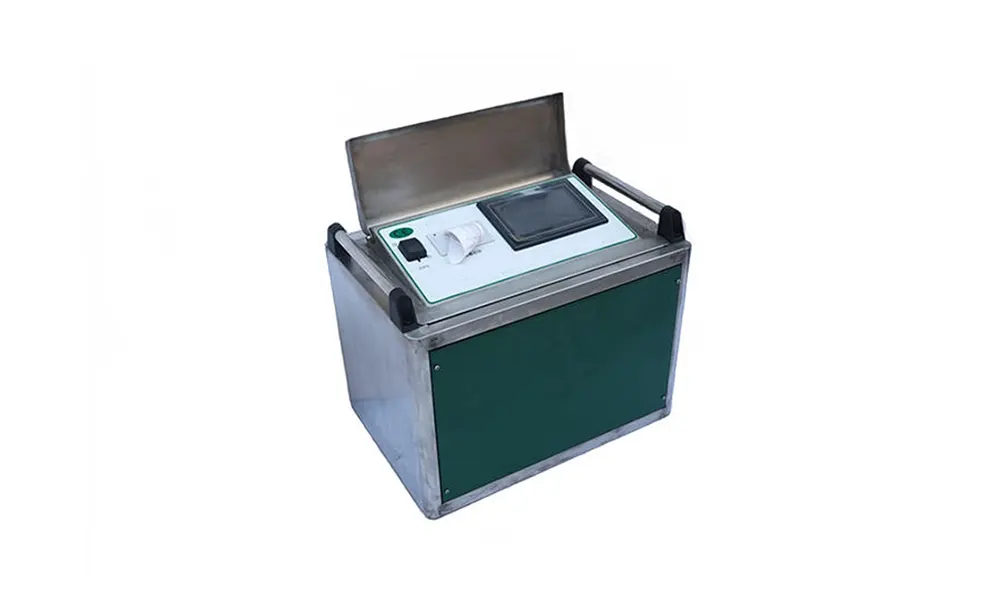
When an HDPE pipeline is installed in the field, the quality of the welding joint determines the long-term reliability of the entire system. A small mistake in alignment, heating, pressure control, or cooling time can lead to leaks, weak joints, and costly repairs. That is why choosing the right on-site welding solution is not just a technical decision—it is a project-critical one. For contractors, utilities, mining companies, and industrial installers, the ideal solution must combine mobility, consistency, operator safety, and strong output in real-world conditions.
In practical field installation, the best HDPE pipe welding solutions are the ones that can deliver stable performance under changing weather, uneven terrain, and tight project schedules. Whether the job involves water supply, gas distribution, or industrial pipeline construction, the equipment must produce repeatable results and support different pipe diameters. That is why professional butt fusion systems remain the most trusted choice for reliable on-site installation.
Why On-Site HDPE Pipe Welding Matters
HDPE pipe systems are widely used because they are corrosion-resistant, flexible, and durable. However, the pipe itself is only part of the equation. The welded joints must match the same level of strength and endurance as the pipe wall. On-site welding allows installers to connect long pipeline sections directly in the field, reducing transportation limits and making installation more efficient. A reliable solution also lowers the risk of rework, which is especially important for projects in remote or large-scale locations.
Key advantage: good on-site welding helps maintain pipe integrity across the full system, even when the installation environment is difficult or unpredictable.
✔ Reliable joints reduce leakage risks and future maintenance costs.
✔ Efficient installation helps teams meet deadlines without sacrificing quality.
✔ Better adaptability supports different pipe sizes and site conditions.
The Best Welding Solution: Butt Fusion Technology
For most field installations, butt fusion is the preferred welding method for HDPE pipe. The process joins two pipe ends by heating them to a controlled temperature and then pressing them together under defined pressure. Once cooled, the result is a seamless joint with strong mechanical performance. Compared with many alternative connection methods, butt fusion offers excellent durability and a clean, uniform welding interface.
A high-quality butt fusion machine is essential because the entire process depends on accurate temperature control, consistent hydraulic pressure, and precise clamping alignment. If any one of these factors is unstable, the fusion quality may be compromised. This is why experienced contractors often choose machines from manufacturers with proven engineering capability, strict quality control, and strong after-sales support.
Important: the welding machine is not just a tool; it is the foundation of joint quality in the field.
What Makes a Welding Solution Reliable in the Field?
A reliable on-site solution should do more than simply melt and join pipe ends. It should perform consistently across repeated welds and support the realities of field work. Below are the most important factors to evaluate when selecting equipment for HDPE installation.
1. Temperature accuracy
Stable heating is crucial for correct fusion. A machine with precise temperature control helps avoid underheating or overheating, both of which can weaken the joint.
2. Hydraulic pressure stability
Uniform pressure during fusion and cooling improves bond consistency and reduces the chance of joint deformation.
3. Clamp alignment
Accurate pipe alignment ensures the weld surface is even, which is essential for a strong and clean connection.
4. Mobility and setup efficiency
Field projects often need quick relocation and straightforward operation, especially in long-distance pipeline installation.
These factors become even more important when the site is exposed to wind, dust, temperature changes, or uneven ground. In such environments, manual operation alone may not be enough. Hydraulic and CNC automatic solutions can provide greater consistency and reduce the chance of operator error, especially when the project demands repeatable quality across many joints.
Manual, Hydraulic, and Automatic Solutions: Which Is Best?
Different projects require different levels of automation. Choosing the right machine depends on pipe diameter, site conditions, workforce experience, and production targets. The three most common options are manual butt fusion machines, hydraulic butt fusion machines, and CNC automatic butt fusion systems.
Manual machines are often suitable for smaller jobs, lighter workloads, or teams that need a cost-effective solution with basic functionality.
Hydraulic machines are ideal for medium to large pipe projects where pressure consistency and stronger output are required.
CNC automatic machines are best for projects that demand high precision, standardized welds, and lower operator dependence.
In many cases, hydraulic machines provide the best balance between performance and practicality for field installation. They are robust, widely used, and suitable for a broad diameter range. At the same time, automatic systems are increasingly valuable when contractors want to improve efficiency and reduce human error on large or repetitive projects.
How JQ-Fusion Supports Reliable Field Installation
For contractors seeking dependable equipment, JQ-Fusion offers professional HDPE pipe welding solutions designed for real project needs. With more than 20 years of industry experience, the company focuses on manual, hydraulic, and CNC automatic butt fusion systems that serve water supply systems, gas distribution networks, mining operations, and industrial pipeline installations worldwide.
What makes this support especially valuable in the field is the combination of manufacturing strength and practical customization. JQ-Fusion uses modern production lines and precision machining equipment to improve product stability and service life. Each machine is tested for temperature accuracy, hydraulic pressure stability, and clamp alignment before delivery, helping ensure that it performs as expected on the job site.
✔ OEM & ODM customization for voltage, machine size, color, branding, and project-specific configurations.
✔ Global support with fast response and technical guidance for international customers.
✔ Stable stock and fast shipping to reduce downtime and help meet urgent timelines.
✔ Full technical support and training from product selection to after-sales service.
This level of support matters because field installation is rarely a controlled environment. A contractor may need machine configuration advice, pipe diameter recommendations, or troubleshooting support before and during the project. When a manufacturer can respond quickly and clearly, project risk drops significantly.
Practical Tips for Better On-Site Welding Results
Even the best machine needs proper operation. Reliable field welding depends on both equipment quality and disciplined work procedures. The following practices help improve final joint performance and reduce avoidable failures.
● Clean pipe ends carefully before heating to prevent contamination.
● Confirm correct alignment before applying fusion pressure.
● Follow the recommended heating, fusion, and cooling times precisely.
● Protect the work area from rain, dust, and strong wind whenever possible.
● Train operators to understand both machine settings and pipe specifications.
These steps may seem simple, but they directly affect the strength and appearance of the weld. In large-scale projects, repeating these standards across every joint is what creates long-term pipeline reliability.
Why Professional Manufacturers Matter
Choosing a reliable manufacturer is just as important as choosing the machine type. A professional supplier can help contractors avoid poor-quality equipment, inconsistent performance, and missing technical support. JQ-Fusion stands out with its strict quality assurance, flexible customization, and proven performance in global markets. Its products are manufactured in compliance with international standards and certified by SGS, which gives customers added confidence for important infrastructure work.
For buyers who value dependable supply, engineering support, and project-focused solutions, a manufacturer with deep industry experience becomes a long-term partner rather than just a vendor. This is especially important when pipeline projects expand across regions and require steady replacement parts, training, and technical consistency.
Conclusion
The best on-site HDPE pipe welding solution is one that combines precise butt fusion technology, durable equipment, and reliable manufacturer support. In field installation, success depends on stable machine performance, accurate alignment, correct temperature control, and operator discipline. Hydraulic and CNC automatic systems are often the strongest choices for demanding projects, while manual units can still serve smaller or simpler installations effectively.
For contractors and distributors looking for dependable pipeline equipment, the right supplier can make a major difference in productivity and project outcomes. With professional manufacturing capability, customization options, and global service support, JQ-Fusion provides a practical solution for teams that need consistent results on site.
FAQ 1: What is the most reliable method for HDPE pipe field welding?
Butt fusion is generally the most reliable method because it creates a strong, seamless joint when performed with proper equipment and procedure.
FAQ 2: Are hydraulic butt fusion machines better than manual machines?
For medium to large projects, hydraulic machines usually offer better pressure consistency, easier operation, and more stable welding results.
FAQ 3: Why is temperature control so important in HDPE welding?
Incorrect temperature can cause weak fusion or material damage, so precise heating is necessary for strong and durable joints.
FAQ 4: Can on-site welding work in harsh weather conditions?
Yes, but the work area should be protected as much as possible, and the welding procedure must be carefully controlled.
FAQ 5: What should buyers look for in a machine supplier?
Buyers should look for quality control, technical support, customization ability, stable stock, and proven project experience.



