
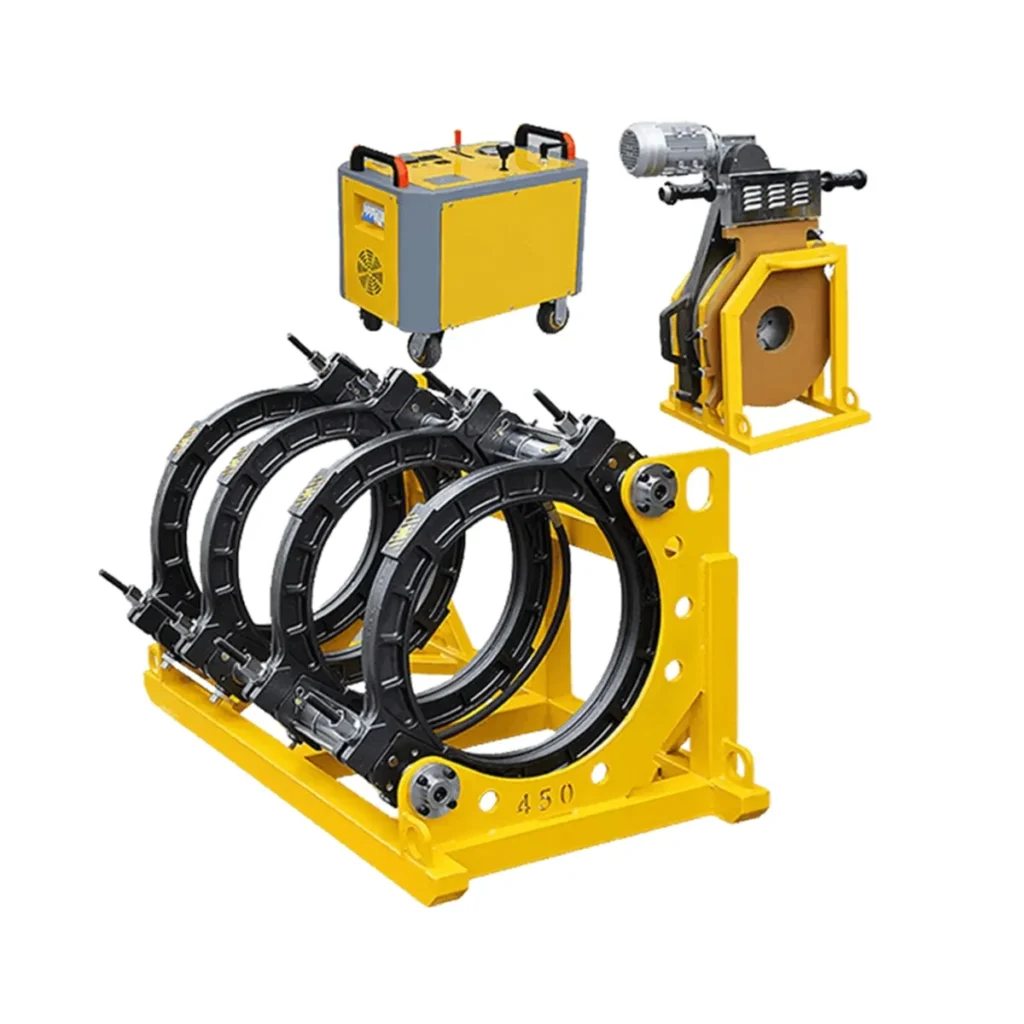
Reliable HDPE welding equipment is essential for Mauritius’ expanding infrastructure projects — from coastal water supply networks to agricultural irrigation systems and urban drainage upgrades. Local contractors, municipal teams, and utility operators demand durable butt fusion and electrofusion solutions that handle island-specific conditions like salt spray, humid climates, and varied terrain.
Why HDPE Welding Matters for Mauritius
HDPE pipe fusion creates leak-free joints that resist corrosion, biofouling, and chemical attack — critical benefits for Mauritius where potable water quality and long-lasting underground utilities are priorities. Proper fusion equipment reduces downtime during peak construction seasons and supports resilient networks for tourism, agriculture, and industry.
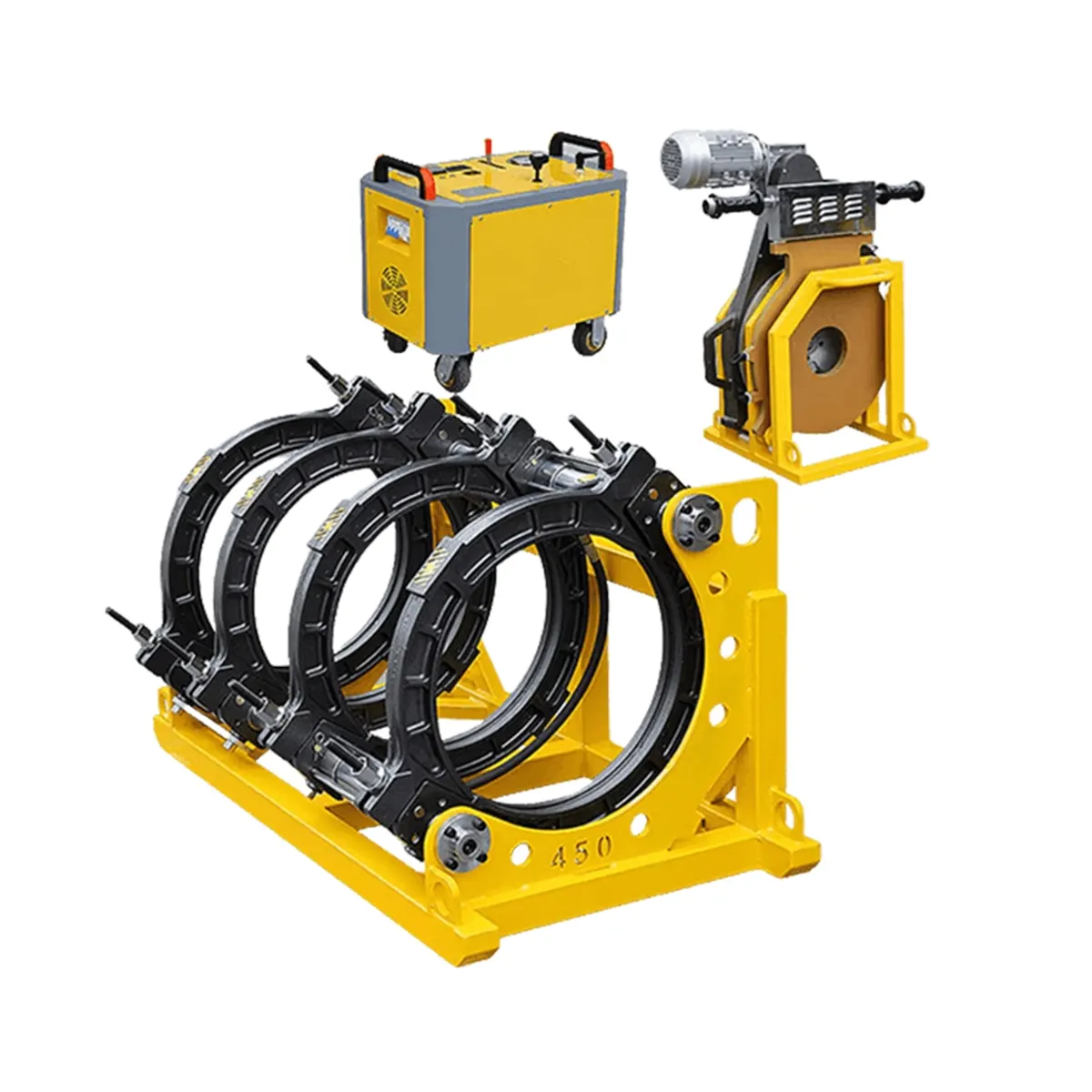
Common Fusion Methods: Butt Fusion & Electrofusion
Butt fusion is the go-to technique for larger distribution mains and trunk lines because it provides strong, homogenous joints. Electrofusion is preferred for fittings, repairs, and confined urban work where clamps are difficult to deploy. Selecting the right method improves installation speed and long-term system integrity.
Key Features to Look For
Portability: Lightweight frames and modular components for access to remote coastal or highland sites. Precision control: Accurate pressure and temperature management for repeatable weld quality. Versatility: Machines that cover a wide pipe diameter range to support municipal water, irrigation, and industrial lines.
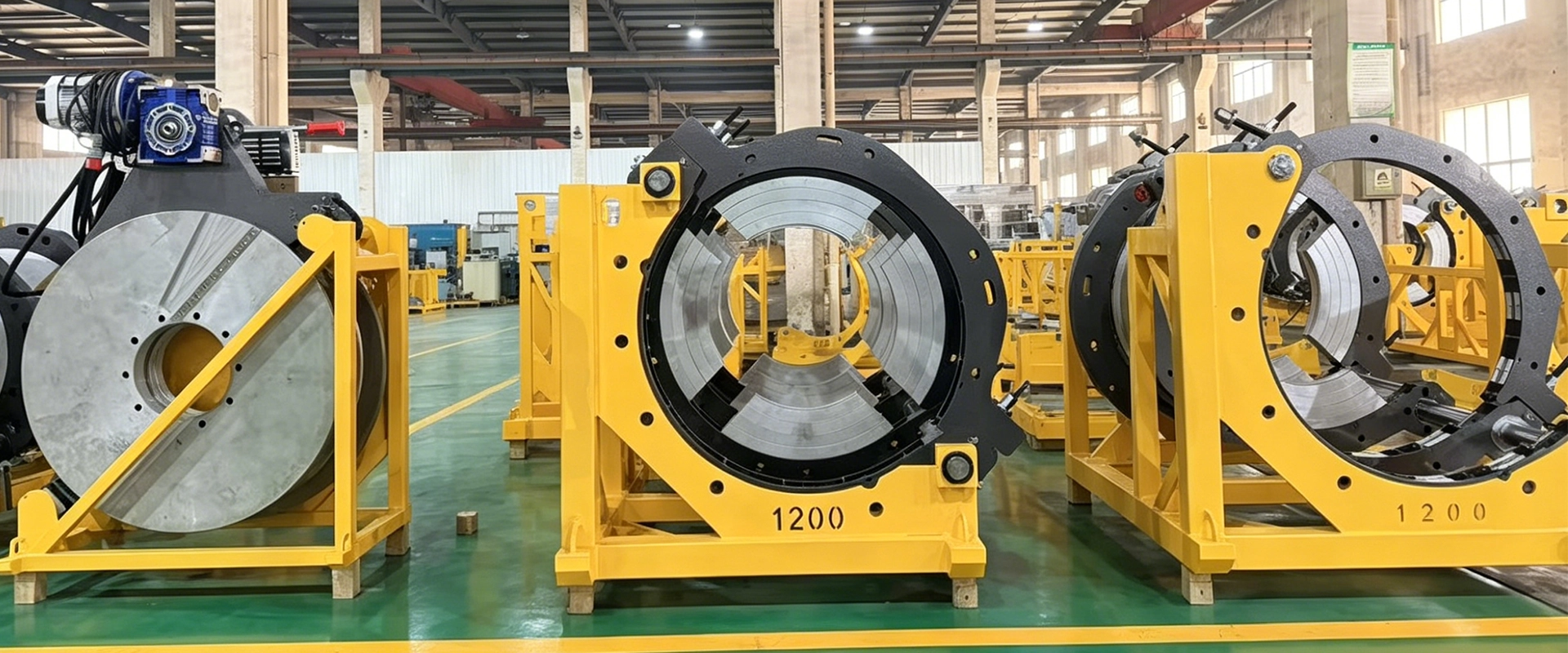
Recommended Machine Types for Mauritius Projects
For small-diameter service lines in coastal towns choose manual or compact hydraulic units; for large trunk lines used in island-wide water transfer and industrial supply choose hydraulic or CNC automatic butt fusion machines. Electrofusion units are indispensable for field repairs and meter connections.
Selecting the Right Model
Match machine capacity to local project needs: pipe diameter range, expected daily weld counts, and site accessibility. Consider local technicians’ training level and available power sources — battery-powered or diesel-hydraulic options can be advantageous for remote work sites.
Quick Comparison Table
| Model Type | Pipe Diameter Range | Best Use |
|---|---|---|
| Manual Butt Fusion | 20–160 mm | Service lines, repairs |
| Hydraulic Butt Fusion | 160–1000+ mm | Trunk mains, large-diameter pipelines |
| Automatic/CNC Machines | 200–1200 mm | High-precision, high-volume projects |
| Electrofusion Units | 20–630 mm | Fittings, repairs, tight-access sites |
Maintenance, Training, and Local Support
Routine calibration and training are essential for consistent weld quality. Local teams should follow manufacturer maintenance schedules, keep heating plates clean, and store fusion parts away from salt-laden air. On-site training for Mauritian crews ensures compliance with international fusion standards and saves time during peak deployment seasons.
Applications across Mauritius
Common use cases include municipal water distribution, coastal desalination plant pipelines, sugarcane and vegetable irrigation networks, resort infrastructure, and small-scale industrial piping. Choosing robust fusion equipment reduces leak risk and supports sustainable water management on the island.
Partner & Supplier
JQ-Fusion (https://jq-fusionwelding.com/) supplies a wide range of HDPE butt fusion and electrofusion machines suited for Mauritius’ climate and project types, from manual frames to CNC automatic systems.



