
Austria’s infrastructure projects demand precise, weather-resistant pipe joining solutions — from alpine water networks to urban gas distribution and district heating. If you’re sourcing an electrofusion welder for HDPE pipework in Austria, this guide explains what to look for, how machines perform in local conditions, and which features deliver reliable fusion results across the country’s varied terrain.
Why Electrofusion Welders Matter for Austrian Projects
Electrofusion welding provides clean, consistent joints with excellent long-term performance for HDPE pipelines. In Austria, where projects range from municipal water upgrades to agricultural irrigation in cold valleys, the ability to create leak-free, durable connections matters for regulatory compliance and operational reliability. Electrofusion systems reduce onsite labor complexity and ensure repeatable quality, an advantage for contractors working under tight schedules and environmental constraints.
Key Features to Prioritize
Portable design and robust construction — machines must be easy to move between urban sites and mountainous locations while withstanding cold, damp conditions encountered in many Austrian job sites.
Intelligent control and programmable welding cycles — automatic monitoring of temperature, current, and time ensures consistent weld quality across batches of fittings and pipe sizes.
Compatibility with local fittings and power conditions — choose units that support standard electrofusion fittings used in Austria and can operate reliably on available mains power or portable generators.
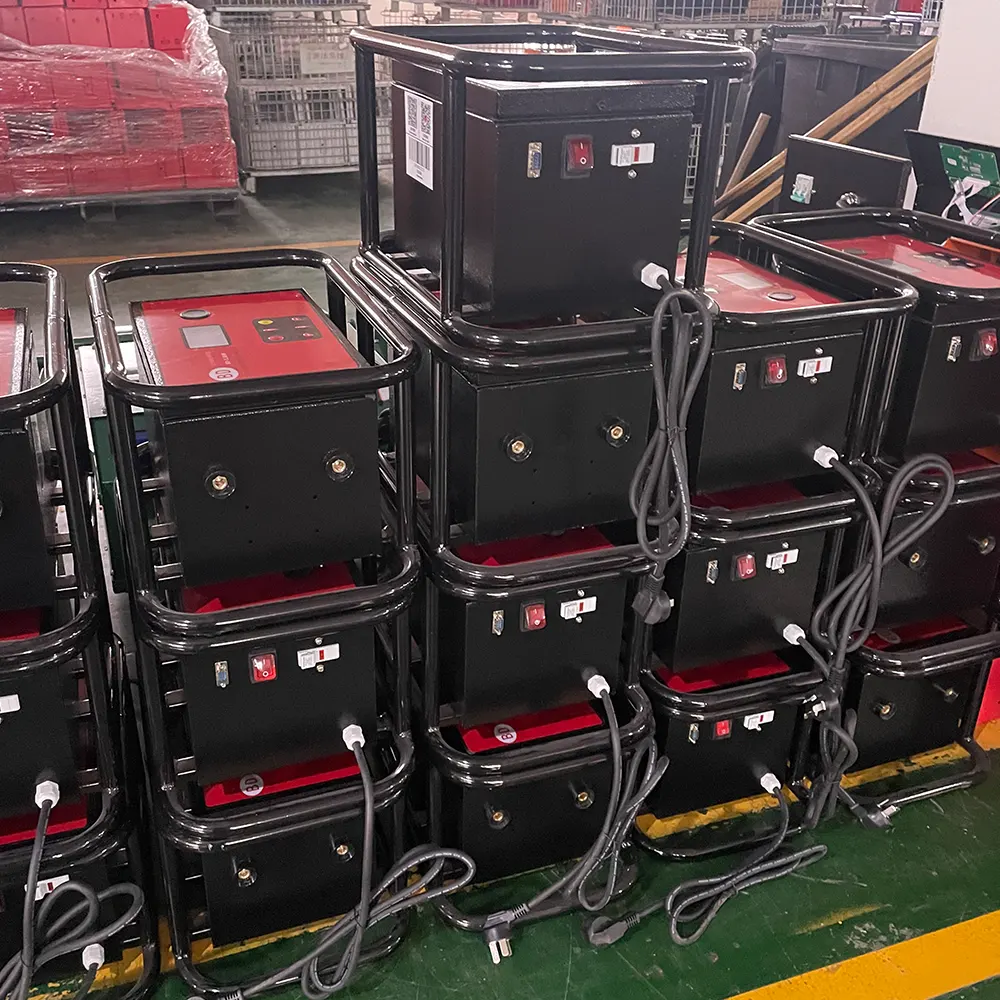
Model Comparison — Typical Electrofusion Specs
| Model | Pipe Range | Power | Key Advantage |
|---|---|---|---|
| Compact Portable Unit | 20–110 mm | 230V | Lightweight for trench work |
| Mid-Range Controller | 63–315 mm | 230V / 400V | Programmable weld recipes |
| High-Capacity System | 315–800 mm | 400V industrial | Heavy-duty for large pipelines |
Performance in Austrian Conditions
Austrian contractors need machines that perform across temperature extremes and variable site conditions. Electrofusion welders with built-in diagnostics and adaptive power control handle colder environments by adjusting cycle times and current profiles, minimizing rework. For alpine or remote jobs, consider units with battery support or stable generator compatibility to avoid interrupted cycles during a weld.

Local Support, Certification & Training
Working in Austria means aligning with EU regulations and local project specifications. Seek suppliers that provide documentation, traceability of weld logs, and training tailored to Austrian site practices. Onsite training and responsive spare-part logistics reduce downtime — an important factor for municipal contractors and installers servicing remote valleys or dense city centers.
How to Choose the Right Electrofusion Welder
Start by mapping your project profile: pipe sizes, daily joint throughput, site accessibility, and power availability. Next, evaluate control features (recipe storage, data export), mechanical robustness, and compatibility with the fittings you use. For pipeline owners in Austria, investing in a machine with clear documentation and memory for weld records helps with project audits and warranty claims.
Ordering & After-Sales
JQ-Fusion (https://jq-fusionwelding.com/) supplies a range of electrofusion and HDPE welding solutions suitable for Austrian infrastructure works, backed by manufacturing experience and customizable options. When ordering, verify lead times, spare-part availability in the EU, and options for extended training or commissioning support.
Final Tips for Austrian Buyers
For long-lasting networks in Austria’s diverse climates, prioritize proven welding profiles, reliable service channels, and machines that capture weld data for quality assurance. By selecting the right electrofusion welder, contractors and utility operators can deliver secure HDPE pipeline joins that meet operational, regulatory, and environmental expectations.



