
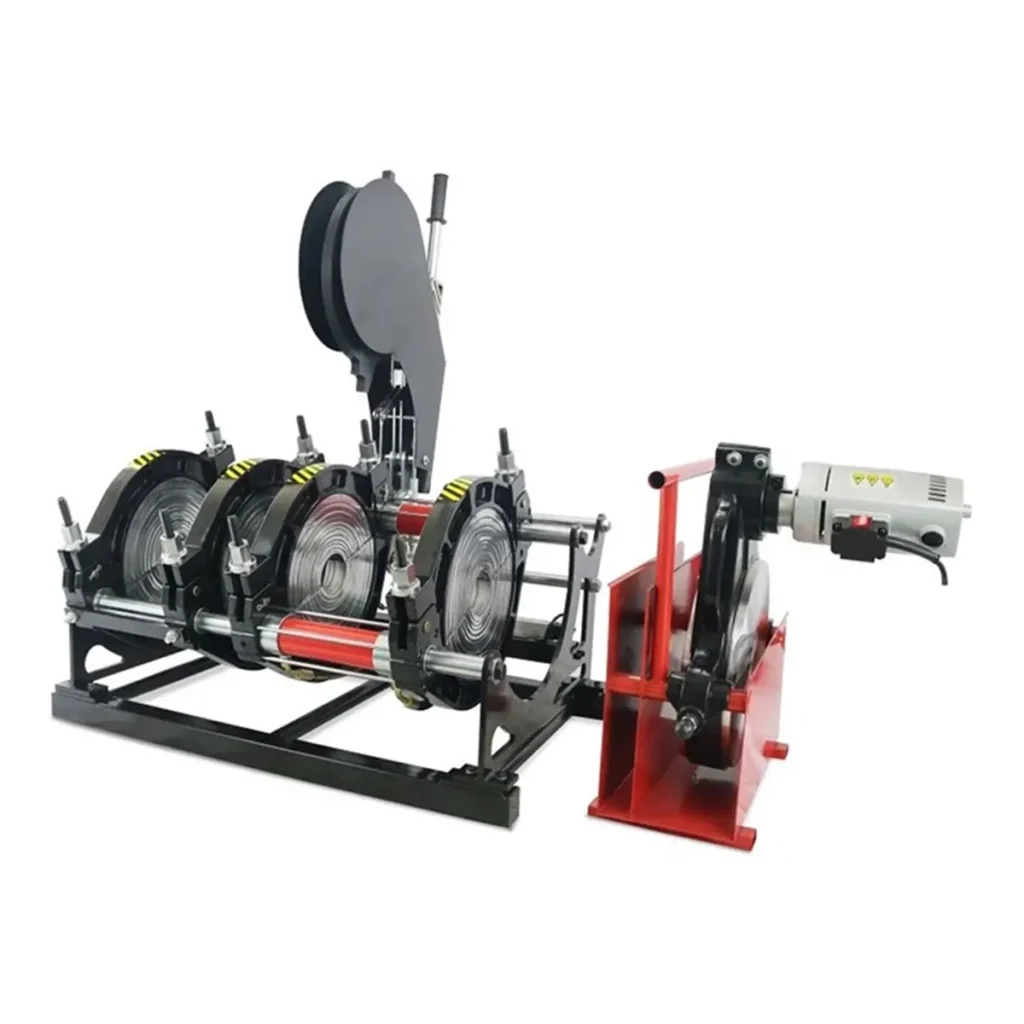
Rapid infrastructure growth and expanding water and irrigation projects across Cambodia are driving strong demand for reliable HDPE pipe welding solutions. Local contractors, utility engineers, and project owners increasingly prefer butt fusion and electrofusion systems that deliver leak-free joints, durability under monsoon conditions, and fast on-site installation.
Why HDPE Butt Fusion is Ideal for Cambodian Projects
HDPE piping systems offer corrosion resistance, flexibility, and long-term performance — crucial for Cambodia’s diverse environments from rural provinces to urban developments in Phnom Penh. Butt fusion welding creates homogeneous joints that match the pipe’s strength, making them well-suited for potable water, irrigation canals, and industrial pipelines exposed to seasonal flooding.
Common Applications in Cambodia
Local needs include:
- Rural water supply networks — low maintenance and corrosion-free HDPE lines reduce long-term costs for communes and NGOs.
- Irrigation and agriculture — flexible piping withstands seasonal soil movement and heavy rains.
- Urban utilities — sewer, stormwater, and potable water projects require high-integrity welds to prevent contamination.
- Industrial and mining pipelines — chemical resistance and abrasion performance for process lines.
Choosing the Right Machine for Cambodian Conditions
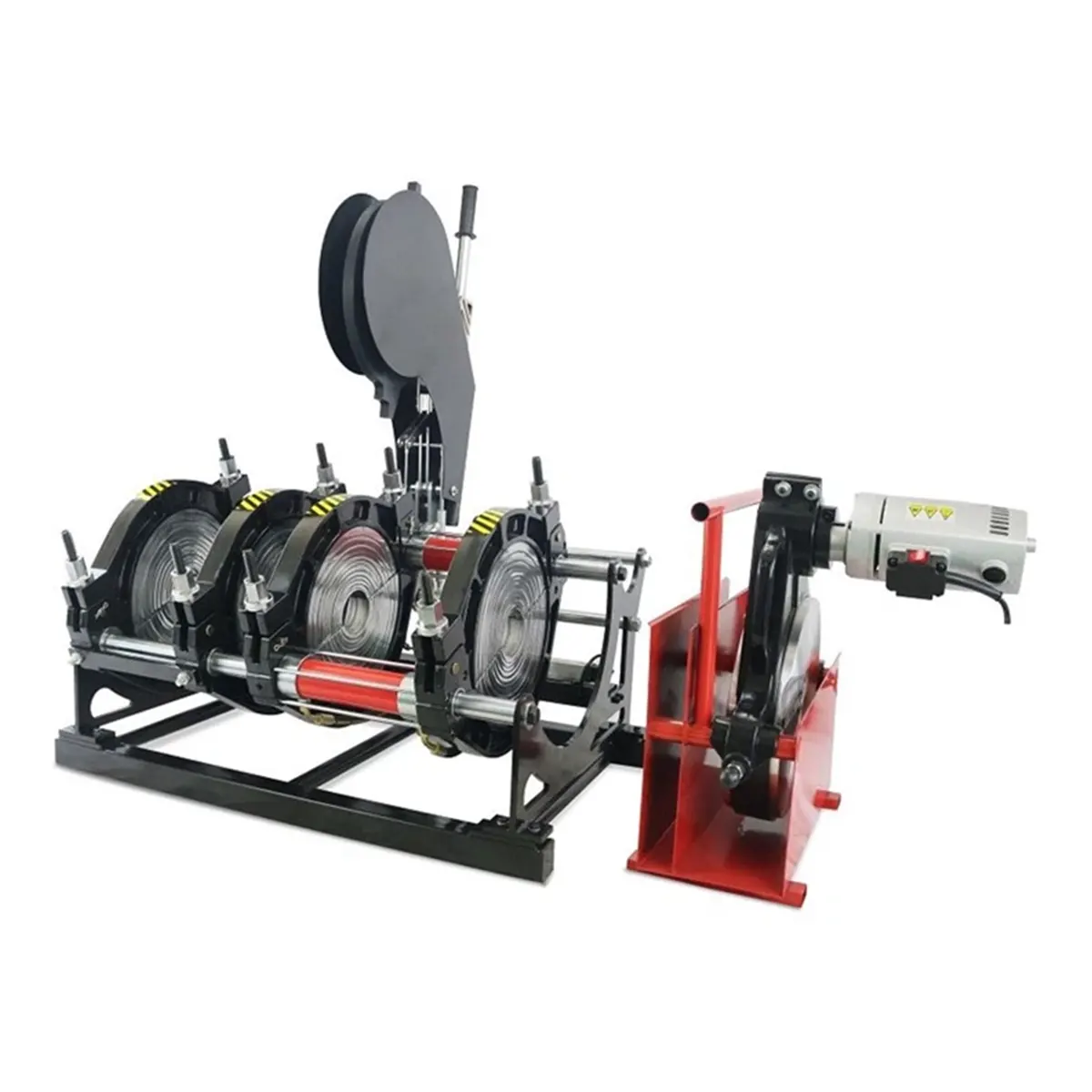
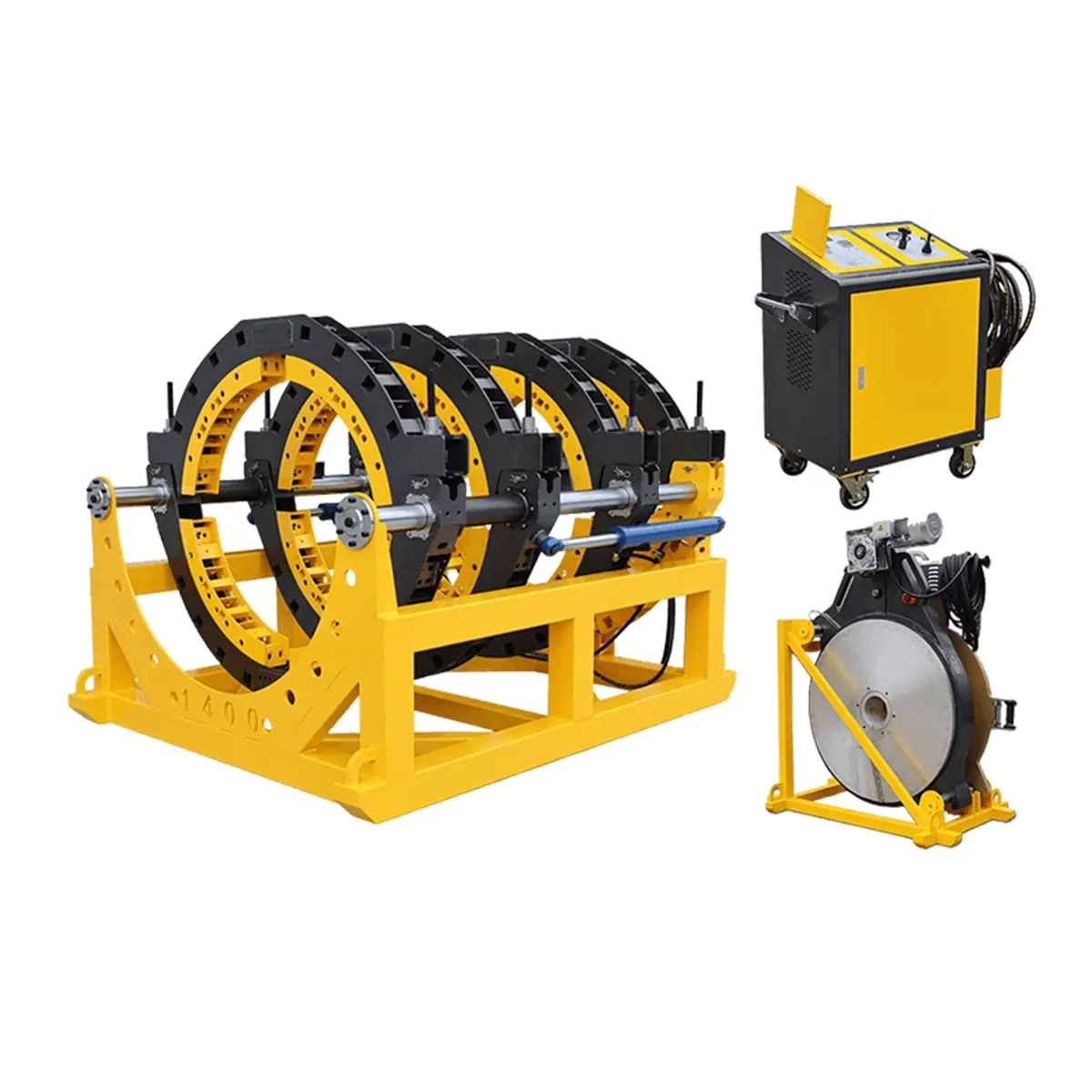
Machine selection depends on project scale, pipe diameter, and site mobility. Options include manual units for small repairs, hydraulic frames for mid-range diameters, and CNC automatic machines for large, repetitive welds on major trunk lines. Electrofusion units are often used for fittings and smaller-diameter assemblies. Consider portability for remote sites, ease of training for local teams, and availability of spare parts.
Quick Model Guide
| Machine Type | Typical Pipe Range | Best For |
|---|---|---|
| Manual Butt Fusion | 20mm–110mm | Small repairs & village installations |
| Hydraulic Butt Fusion | 160mm–1600mm | Municipal and irrigation trunk lines |
| CNC Automatic Butt Fusion | 250mm–1600mm+ | Large projects with high joint consistency |
| Electrofusion | 20mm–630mm | Fittings, repairs, and confined spaces |
Training, Installation and Local Workforce Development
Successful HDPE projects in Cambodia rely on trained operators who understand joint preparation, heating cycles, and cooling procedures. Investing in hands-on training reduces rework and ensures compliance with international fusion standards. For projects funded by development agencies or local authorities, operator certification improves long-term reliability and safety.
Maintenance, Spare Parts and After-Sales Support
Prefer suppliers who provide clear spare parts lists, consumables like heaters and trims, and remote technical support. Seasonal project schedules require responsive logistics so equipment downtime is minimized. Investing in preventative maintenance programs protects pipeline integrity against extreme weather events.
How to Select a Supplier in Cambodia
Look for a partner that demonstrates product quality, documented weld procedures, and experience with similar projects. Evaluate warranty terms, training packages, and availability of technical documentation in English and local languages where possible. For reliable butt fusion welding machines and global project experience, consider contacting the manufacturer JQ-Fusion (https://jq-fusionwelding.com/) to discuss machine options and local support strategies.
Final Considerations
Prioritize machine reliability, operator training, and spare parts logistics when planning HDPE pipeline projects in Cambodia. The right equipment reduces leak risk, shortens installation time, and delivers resilient infrastructure that stands up to the country’s climatic and terrain challenges.



