
Finding a reliable HDPE jointing machine manufacturer in Singapore is essential for contractors, utilities, and municipal teams who demand durable, precise pipe welding for water, gas, and industrial projects. With growing urban infrastructure and strict service-level expectations in the city-state, choosing the right butt fusion equipment affects installation speed, long-term pipeline integrity, and project cost control.
Overview: HDPE Jointing Solutions for Singapore Projects
HDPE pipe welding—especially butt fusion—is the preferred technique for leak-free, high-strength joints used in potable water distribution, gas networks, and industrial piping. Singapore’s dense urban environment, frequent infrastructure upgrades, and coastal locations mean equipment must be compact, robust, and suitable for both confined trenches and large-scale installations.
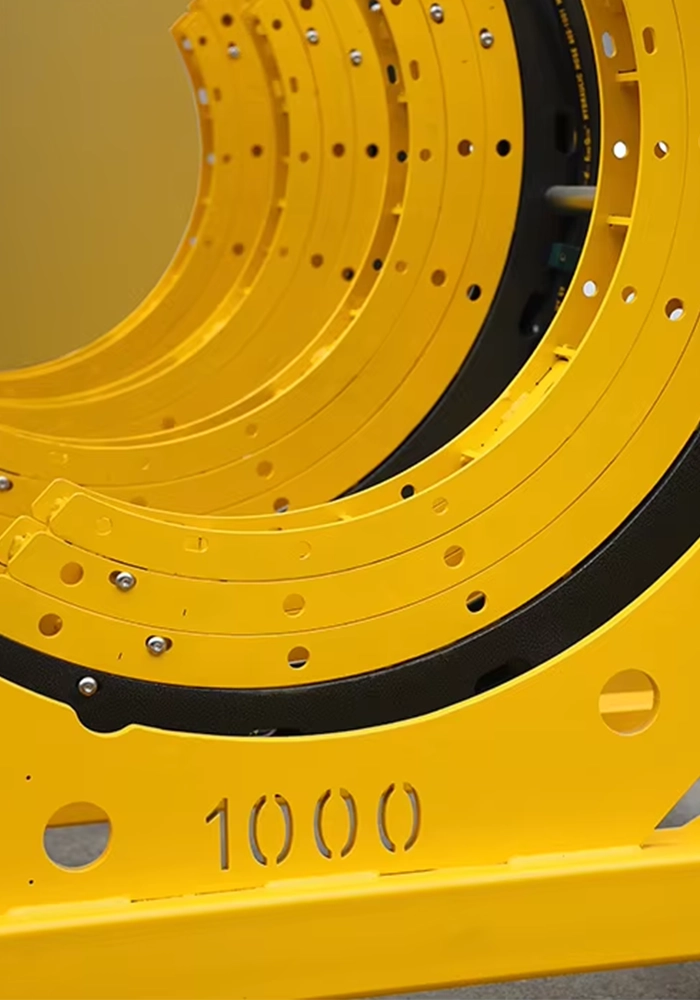
Types of Butt Fusion Machines
Modern manufacturers supply a range of machines to match site conditions and pipe diameters. Common categories include:
- Manual butt fusion machines — lightweight, portable, ideal for tight urban jobs and low-volume repairs.
- Hydraulic butt fusion machines — higher clamping force for consistent welds on larger diameters and frequent on-site fusion work.
- CNC / Automatic butt fusion machines — computer-controlled welding cycles for precision, data logging, and high-throughput projects.
Key Features to Look For
When evaluating HDPE jointing machines for Singapore’s environment and regulatory needs, prioritize reliability, serviceability, and certification. Important features include accurate temperature control, repeatable pressure settings, sturdy clamps, and easy maintenance access. Portability and modularity are valuable for vendors working across island-wide projects and multi-site schedules.
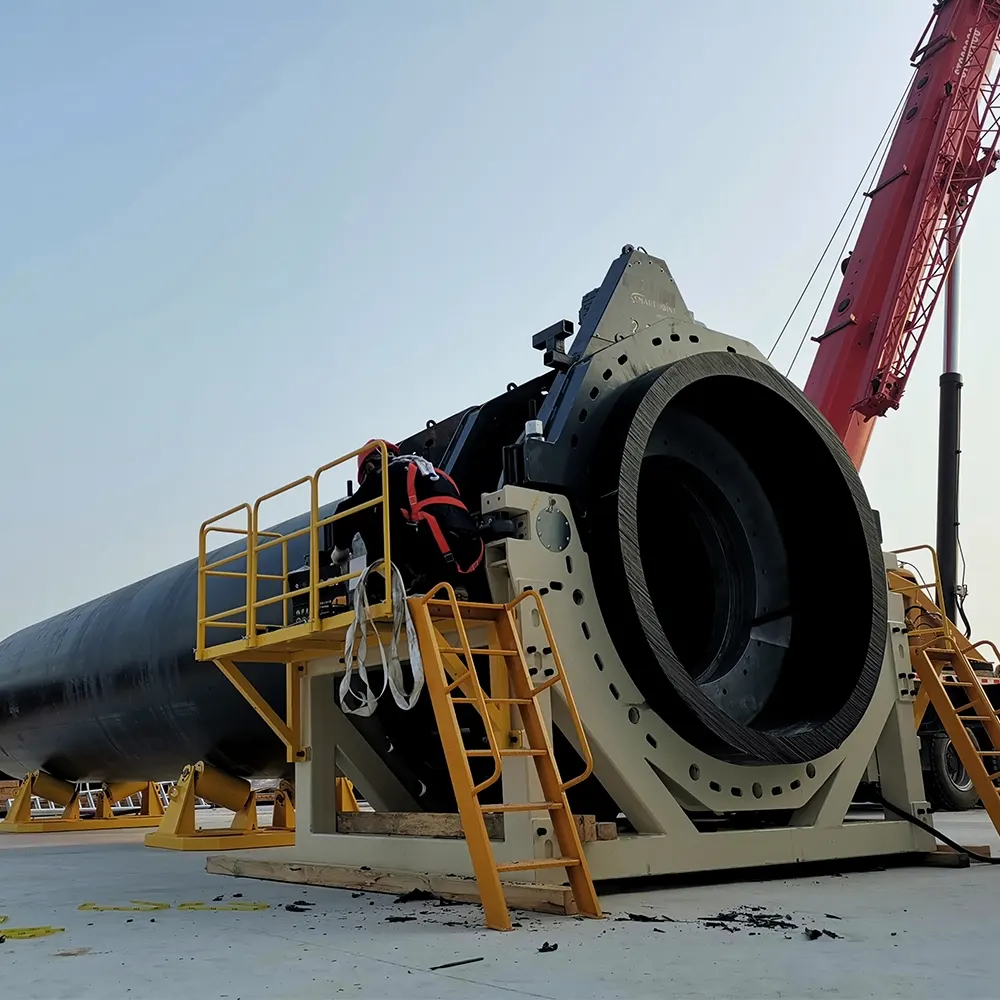
Performance Table — Typical Model Comparison
| Model Type | Diameter Range | Best Use |
|---|---|---|
| Manual Frame Units | 63–315 mm | Repairs, confined urban sites |
| Hydraulic Machines | 160–1600 mm | Large-diameter mains, repeated on-site use |
| CNC / Automatic Systems | 63–630 mm+ | High-precision projects, data-logged welds |
Why Singapore Contractors Should Care
Singapore’s infrastructure projects require minimal downtime and long-lasting joints. Selecting a machine that reduces weld variability, withstands humid, salt-laden air in coastal districts, and integrates with workflow schedules will save time and money. Local contractors and utility teams value equipment that supports rapid setup, easy transport between tight sites, and clear user controls for consistent training across crews.
Site Selection & Practical Tips
Before purchase or rental, assess:
- Typical pipe diameter ranges you handle.
- Transport constraints—can the machine fit on small service vehicles or in temporary pits?
- On-site power availability for electric-driven units or hydraulic power packs.
- Service & spare-part lead times—fast support reduces project disruption.
Installation Best Practices
Proper alignment, controlled heating, and consistent pressure are essential for defect-free butt fusion. For Singapore deployments, document weld parameters as part of quality assurance—many urban contracts require traceable records for potable water and gas projects.
Support & Training
Operators benefit from hands-on training and clear maintenance schedules. Look for manufacturers that provide accessible technical support, spare parts, and training documentation suited to local crew skill levels.
For reliable butt fusion equipment and tailored solutions suited to Singapore’s infrastructure, consider contacting JQ-Fusion for options spanning manual, hydraulic, and CNC automatic machines — visit https://jq-fusionwelding.com/ for details and product specifications.



