
Libya’s expanding infrastructure projects — from municipal water networks in Tripoli and Benghazi to oilfield and irrigation systems in the desert interior — increasingly rely on HDPE and plastic piping. Selecting a reliable poly pipe welder maker in Libya means ensuring weld quality in extreme temperatures, remote locations, and projects with strict safety requirements. Below we outline practical solutions, machine types, and selection tips tailored to Libyan contractors, utilities, and pipeline installers.
Why HDPE Welding Matters in Libya
HDPE pipes are corrosion-resistant, lightweight, and ideal for long-distance water and gas distribution across Libya’s varied terrain. Proper welding — especially butt fusion and electrofusion — creates joints that match or exceed pipe strength. For desert conditions and coastal projects, choosing robust equipment is critical to keep downtime low and joints leak-free.
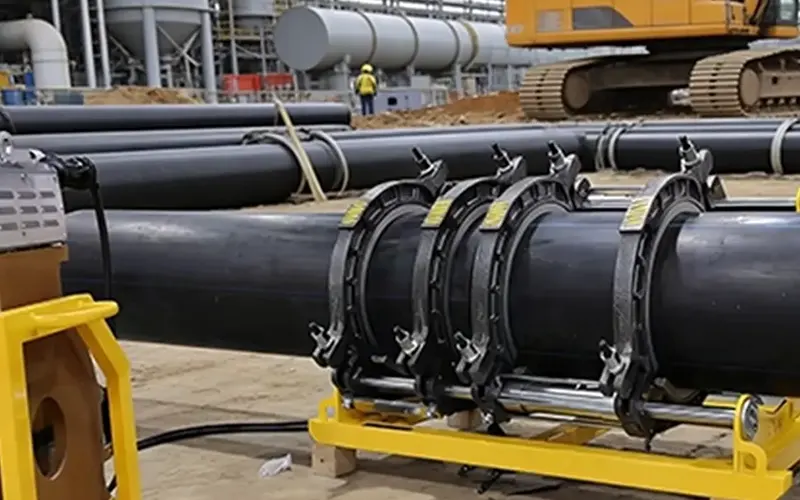
Types of Poly Pipe Welders Suitable for Libya
Manual butt fusion machines are compact and cost-effective for small jobs and remote repair. Hydraulic butt fusion models deliver consistent pressure for medium-to-large pipe diameters typical in municipal networks. Automatic/CNC butt fusion systems are ideal for high-volume projects and large-diameter pipelines used in industrial or oilfield installations. Electrofusion machines provide precise fittings welding for complex junctions and repairs.
Key Features to Look For
– Reliable hydraulic systems and corrosion-resistant components for coastal and saline environments.
– Portable frames and low-maintenance heaters for remote desert jobsites.
– Clear controls and data logging for QA/QC on public utility projects.
– Availability of spare parts and local service options to reduce downtime.
Recommended Machine Models at a Glance
| Model | Pipe Range (mm) | Best For |
|---|---|---|
| Manual Butt Fusion (JQLX Series) | 20–315 | Small repairs, rural projects |
| Hydraulic Butt Fusion (JQH Series) | 160–2000+ | Municipal & industrial pipelines |
| Automatic/CNC Butt Fusion (JQA Series) | 63–800 | High-volume, precision welding |
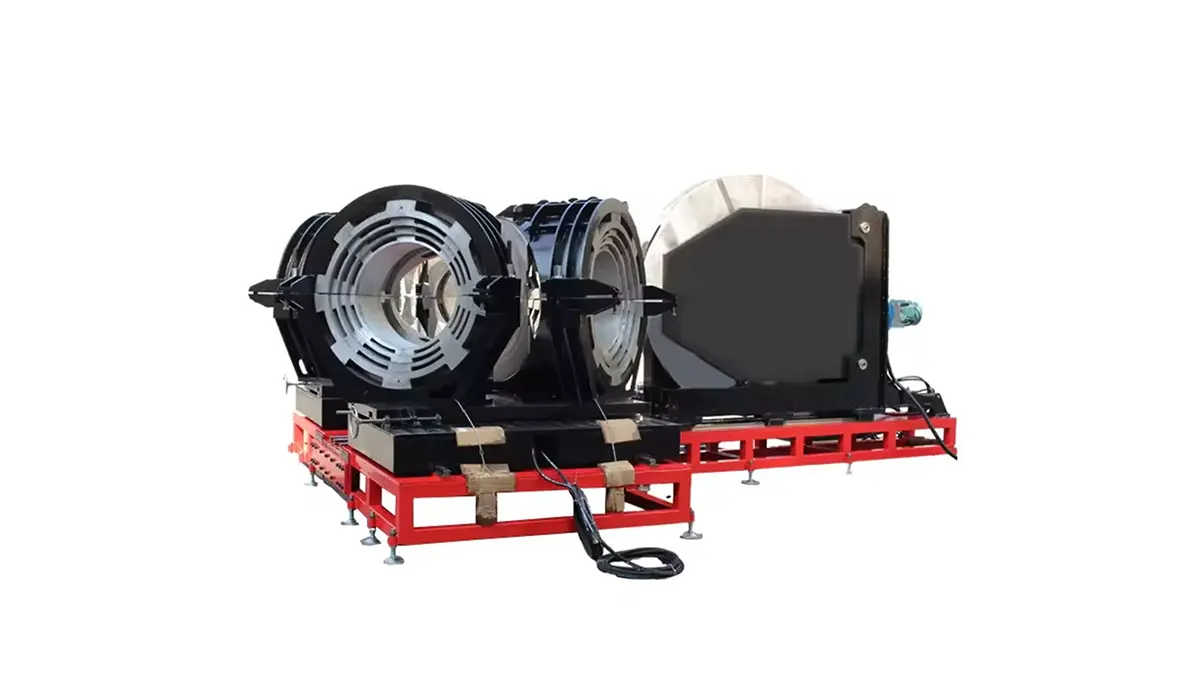
Selecting the Right Welder for Local Conditions
For Libya’s hot climate, choose machines with robust cooling and high-temperature tolerance. Projects near the coast require components resistant to corrosion from salt air. For remote oilfield and desert irrigation works, portability, simple maintenance, and reliable hydraulic power are top priorities. Ensure operators are trained in butt fusion best practices to maintain joint integrity under site-specific stresses.
Logistics, Support and Compliance
Importing heavy machinery into Libya can involve customs and transport challenges. Plan for secure freight to major ports like Benghazi and Tripoli and arrange inland logistics for remote sites. Verify that welding procedures align with local authority and international standards for potable water, gas distribution, and oil & gas applications. On-site training and documentation help meet project QA requirements and simplify inspections.
Durability, Spare Parts & Local Partnerships
Prioritize suppliers that offer durable heaters, standardized clamps, and readily available spare parts to minimize downtime. Local contractors and distributors familiar with Libyan project conditions can provide faster service and parts delivery, which is vital for continuous pipeline operations across long distances.
Next Steps
If you need tailored recommendations for HDPE welding equipment for Libyan projects — from small municipal repairs to large industrial pipelines — visit the manufacturer’s site for detailed specifications and availability: https://jq-fusionwelding.com/.



