
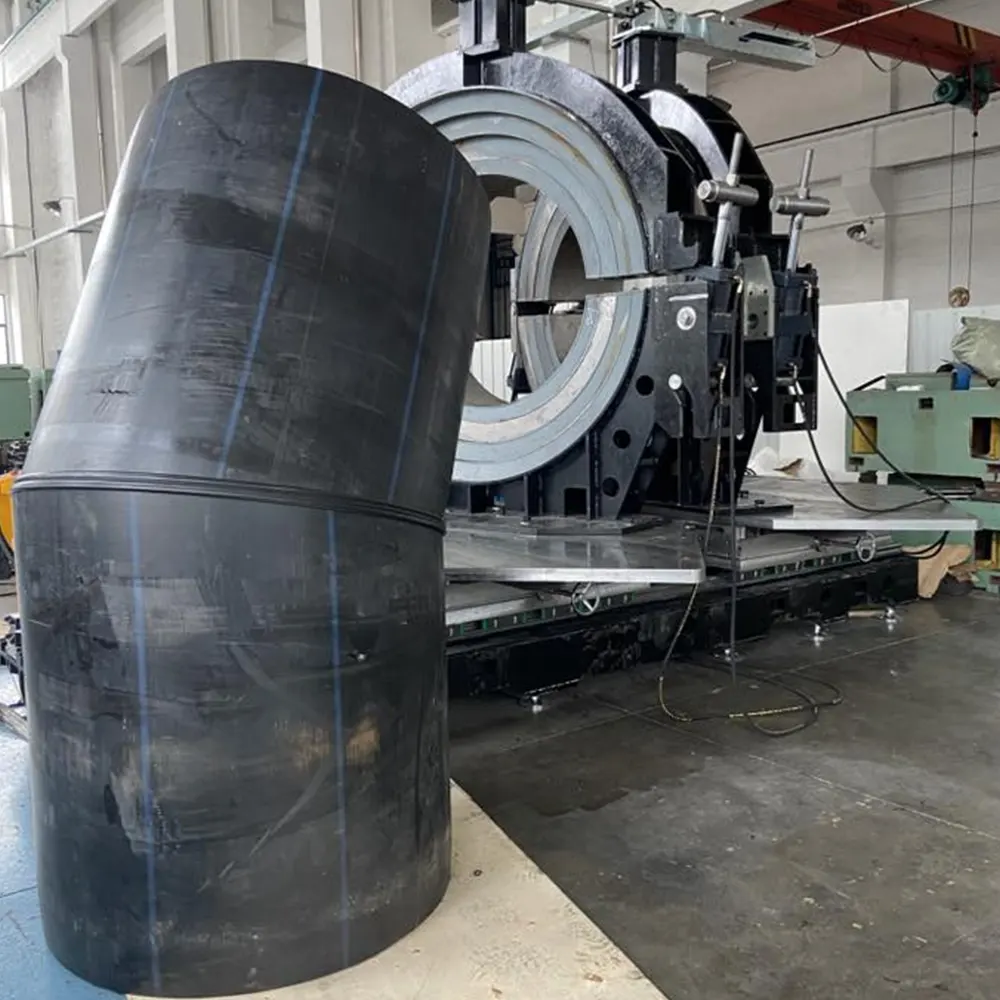
Electrofusion welding is one of the most practical methods for joining polyethylene (PE) and HDPE pipes in modern pipeline construction. It is widely used in water supply systems, gas distribution networks, mining lines, and industrial pipe installations because it offers a clean, reliable, and durable joint. For beginners, the process may seem technical at first, but the principle is straightforward: heat is generated inside a special fitting, and that heat melts the pipe surface and fitting together to form a strong bond.
If you are new to pipe welding, understanding electofusion starts with a simple idea: instead of heating the outside of a pipe with a hot plate, the fitting itself contains an embedded heating coil. When an electofusion welding machine sends controlled electrical current through the coil, the fitting warms up evenly and fuses with the pipe. This method is especially valuable where space is limited, where safety matters, or where consistent joint quality is essential.
Key idea: Electrofusion welding uses a fitting with a built-in resistance wire. The wire heats the material, and the molten surfaces bond together after cooling, creating a leak-resistant joint.
What Is Electrofusion Welding?
Electrofusion welding is a joining method used for thermoplastic pipes, especially PE and HDPE pipes. The connection is made by placing an electrofusion fitting over the prepared pipe ends and then applying electrical current through terminals on the fitting. The internal heating element melts the contact area, and after the heating cycle ends, the joint cools and solidifies into one fused piece.
Compared with mechanical joints, electofusion reduces the risk of leakage and loosening over time. Compared with open-flame methods, it is safer and more controlled. This is why many contractors and utility companies prefer it for underground pipelines, branch connections, repairs, and spaces where larger welding equipment cannot be used.
Best for: underground gas systems, potable water pipelines, industrial PE piping, repairs, and branch connections in tight spaces.
How Does It Work?
The working principle is based on electrical resistance heating. Inside the fitting, a metal coil is embedded in the plastic body. When the welding machine or controller supplies power, the coil resists the current and produces heat. This heat is transferred to the surrounding plastic, which softens and melts at the pipe-fitting interface.
As the material heats, pressure from the fitting and pipe surfaces helps the molten zones merge. Once the current is stopped, the joint must remain undisturbed during the cooling period. After cooling, the pipe and fitting become a single fused structure. The result is a strong, uniform connection that can handle pressure and long-term service.
A successful weld depends on several factors: accurate pipe preparation, correct fitting selection, stable power supply, and proper cooling time. Even though the process is simple in concept, attention to detail is critical. A beginner should learn that good electrofusion is not only about pressing a button; it is about preparing the joint carefully and following the welding parameters exactly.
Main Components in the Process
To understand the workflow, it helps to know the main components involved:
Electrofusion fitting: the plastic connector with embedded heating coils.
Pipe ends: the HDPE or PE pipe sections that are cleaned, scraped, and aligned.
Welding controller or machine: the power unit that provides precise electrical energy to the fitting.
Alignment and clamping tools: equipment used to hold the pipes in the correct position during welding and cooling.
Step-by-Step Electrofusion Welding Process
The process usually follows a structured sequence. Beginners should treat each step as equally important because one missed detail can weaken the final joint.
1. Inspect and prepare the pipes
The pipe ends should be cut square, clean, and free from damage. Dirt, oxidation, grease, and moisture must be removed before welding. Surface scraping is essential because the pipe’s outer oxidized layer prevents proper fusion if left in place. This step is often overlooked by beginners, but it directly affects joint quality.
2. Mark insertion depth
A marking line is usually drawn on the pipe to show the correct insertion depth. This ensures the pipe is inserted far enough into the fitting and helps maintain consistent positioning during welding.
3. Install and clamp the fitting
The fitting is placed over the pipe ends and aligned carefully. Clamps or alignment tools may be used to keep the assembly stable. Movement during the heating or cooling stage can cause weak spots or uneven bonding.
4. Connect the welding machine
The electrical terminals on the fitting are connected to the machine leads. The operator enters or scans the required welding parameters, depending on the controller. These parameters usually include voltage, heating time, and cooling time.
5. Start the heating cycle
The machine sends power to the coil. As the fitting heats, the surface around the pipe melts. Some fittings include indicator pins that rise or change position to show the welding cycle is working properly. The operator should not move the joint during this stage.
6. Allow cooling
After the heating cycle is complete, the current is stopped, but the joint is still fragile until it cools. Cooling time is important because premature handling can disturb the fusion and reduce strength. The manufacturer’s instructions must always be followed.
7. Inspect the finished joint
A completed joint should show even fusion, correct fitting position, and visible indicator confirmation where applicable. Good practice includes checking the alignment, verifying that the weld cycle was completed, and recording the job for quality control.
Why Electrofusion Is Popular
Advantages: compact equipment, strong leak-free joints, safe operation, excellent for repairs, and suitable for difficult installation environments.
Electrofusion is popular because it performs well where precision and reliability matter. It is especially useful in projects that require minimal pipe movement, such as underground installations or crowded sites. The method also reduces the need for large fusion frames or hot plates, making it ideal for branch connections and restricted-access repairs.
Another major advantage is consistency. When the joint preparation and welding parameters are correct, the final result can be highly repeatable. This makes electrofusion suitable for utility networks, where long service life and low maintenance are essential. For contractors, that reliability can mean fewer call-backs and better project outcomes.
Common Mistakes Beginners Should Avoid
Beginners often run into problems that are easy to prevent. The most common mistake is poor surface preparation. If the pipe is not scraped correctly, the oxidized layer remains and interferes with fusion. Another issue is contamination from dust, oil, or moisture, which can weaken the weld.
Other frequent errors include using the wrong fitting size, failing to clamp the pipes securely, moving the joint before cooling is complete, or ignoring the welding data printed on the fitting. Overheating and underheating are both risky. Too much heat can damage the material, while too little heat may create an incomplete bond.
Tip: Always follow the fitting manufacturer’s welding code or barcode instructions. The correct settings are essential for a dependable weld.
Electrofusion vs. Butt Fusion
Beginners often compare electrofusion with butt fusion because both are widely used in HDPE pipeline systems. Butt fusion joins pipe ends directly using heated platens and requires more space and equipment, while electrofusion uses a special fitting with an internal coil. In many projects, the choice depends on pipe size, site conditions, and joint design.
For straight pipe-to-pipe joints, a butt fusion machine is often the preferred solution. For branch connections, repairs, and confined spaces, electrofusion is often more practical. Both methods are important in the pipeline industry, and many professional contractors use them together depending on the application.
Choosing the Right Equipment and Supplier
Reliable equipment is essential for consistent welding results. A good electrofusion system should deliver stable power, accurate timing, and easy operation. In industrial projects, technical support and quality control matter just as much as the machine itself. Suppliers with strong manufacturing experience can help ensure that the equipment matches project requirements.
JQ-Fusion, for example, is a professional manufacturer focused on HDPE pipe welding solutions. Their product range includes hydraulic, automatic, and electrofusion welding equipment, along with technical support for global projects. For buyers, this kind of experience can be valuable when selecting tools for water, gas, or mining pipeline work.
How to Improve Welding Quality
To improve welding quality, beginners should focus on preparation, consistency, and documentation. Use clean tools, store fittings properly, and protect the pipe ends from dirt before welding. Verify that the machine is calibrated and that the power source is stable. Record the weld data when required so that every joint can be tracked if needed later.
Training is also important. Even a simple joining method becomes more dependable when operators understand the sequence and the reasons behind each step. Good welding habits build better pipeline systems and reduce long-term maintenance costs.
Remember: the strongest electrofusion joint comes from clean preparation, correct machine settings, full cooling time, and careful handling after welding.
Summary
Electrofusion welding is a dependable pipe-joining method that uses controlled electrical heat to fuse PE and HDPE pipe components together. It is especially useful for branch lines, repairs, and projects with limited working space. When performed correctly, it produces strong, clean, and long-lasting joints suitable for critical infrastructure.
For beginners, the most important lesson is that successful welding depends on preparation and precision. Clean surfaces, correct alignment, accurate parameters, and proper cooling are all part of the process. Once these habits are understood, electrofusion becomes a reliable and efficient skill for pipeline work.
Frequently Asked Questions
1. What materials can be joined by electrofusion?
Electrofusion is mainly used for PE and HDPE pipes and fittings. It is not intended for all plastic types, so material compatibility should always be checked before welding.
2. Is electrofusion strong enough for gas and water lines?
Yes. When the pipe is properly prepared and the correct procedure is followed, electrofusion joints are widely used in both gas and water distribution networks.
3. What is the most common cause of a bad weld?
Poor surface preparation is one of the most common causes of weld failure. Dirt, oxidation, moisture, or incorrect alignment can all reduce joint quality.
4. How long should the joint cool after welding?
Cooling time depends on the fitting size and the manufacturer’s specifications. The joint must remain undisturbed for the full recommended cooling period before pressure testing or handling.
5. Can electrofusion be used in tight spaces?
Yes. That is one of its biggest advantages. Electrofusion is often chosen for confined areas where traditional fusion machines are difficult to position.



