
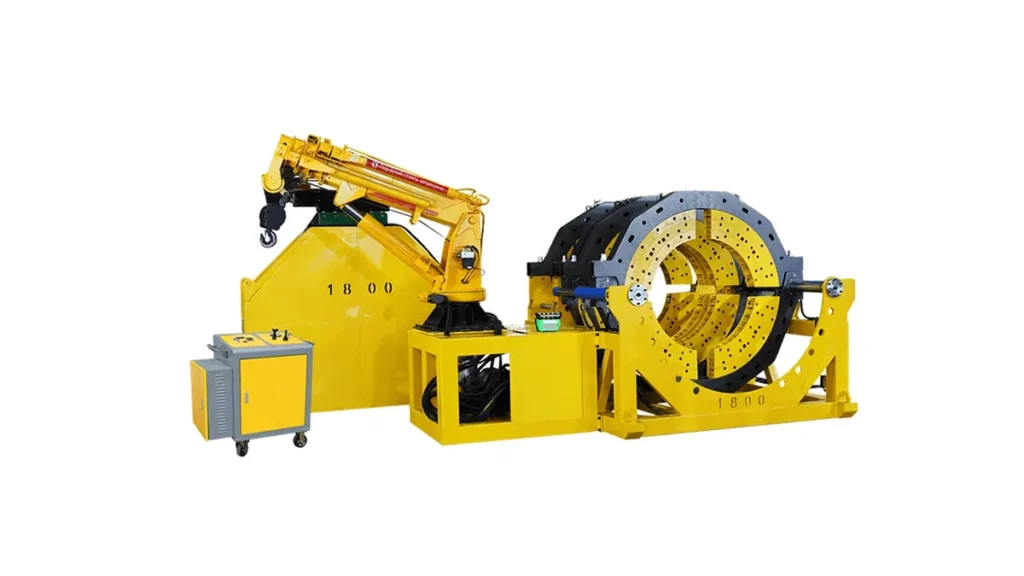
Norway’s infrastructure demands pipe fusion solutions that can handle rugged coastlines, freezing winters and dispersed communities. Electrofusion welders are a reliable method for joining HDPE pipes used in municipal water networks, gas distribution and industrial pipelines across fjords, islands and remote northern regions. This guide explains what Norwegian contractors and engineers should consider when selecting an electrofusion welder for durable, leak-free pipe systems.
Why Electrofusion Matters in Norway
In Norway, projects often face extreme temperatures, long-distance trenching and strict environmental regulations. Electrofusion welding offers consistent joint quality with excellent resistance to low-temperature embrittlement and corrosion. For water utilities and gas networks serving small municipalities or offshore support bases, electrofusion reduces the risk of contamination and costly rework.
Key Applications in Norwegian Projects
Electrofusion systems are widely used for:
– Cold-climate potable water installations where joint integrity prevents freeze-related failures.
– Gas distribution lines in suburban and rural regions where safety and traceability are paramount.
– Industrial pipelines at fish farms, mining sites and processing plants that require durable, low-maintenance connections.
Electrofusion Welder Types & Quick Comparison
Choosing between manual, hydraulic and automatic electrofusion units depends on pipe diameter, site mobility and production speed. The table below highlights common options favored by Norwegian contractors:
| Welder Type | Typical Pipe Range | Best For | Key Benefit |
|---|---|---|---|
| Portable Electrofusion Units | 20–160 mm | Remote site repairs, small installations | Lightweight, battery options for off-grid work |
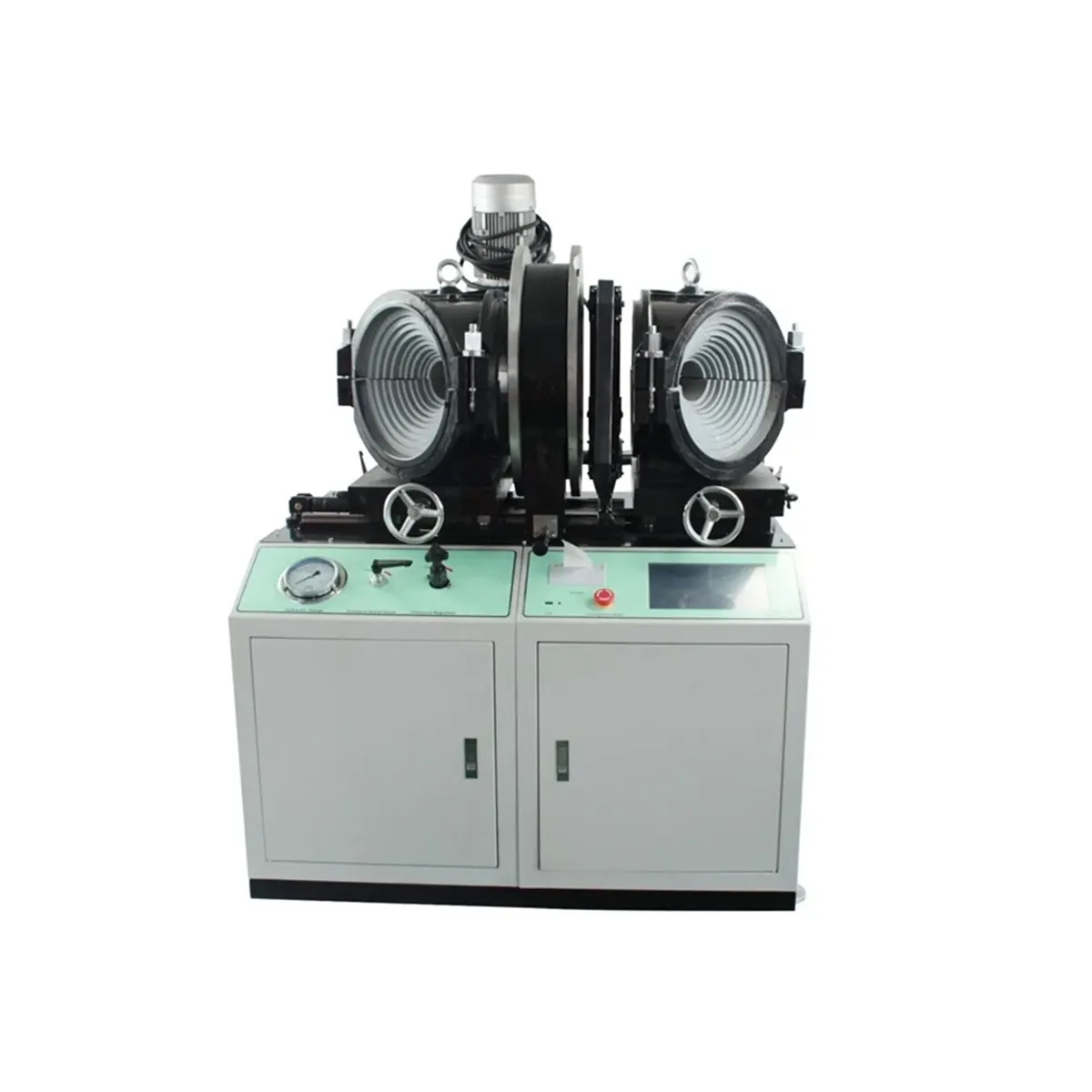
| Bench/Workshop Welders | 20–315 mm | Prefabrication and high-precision fittings | Stable, repeatable weld cycles |
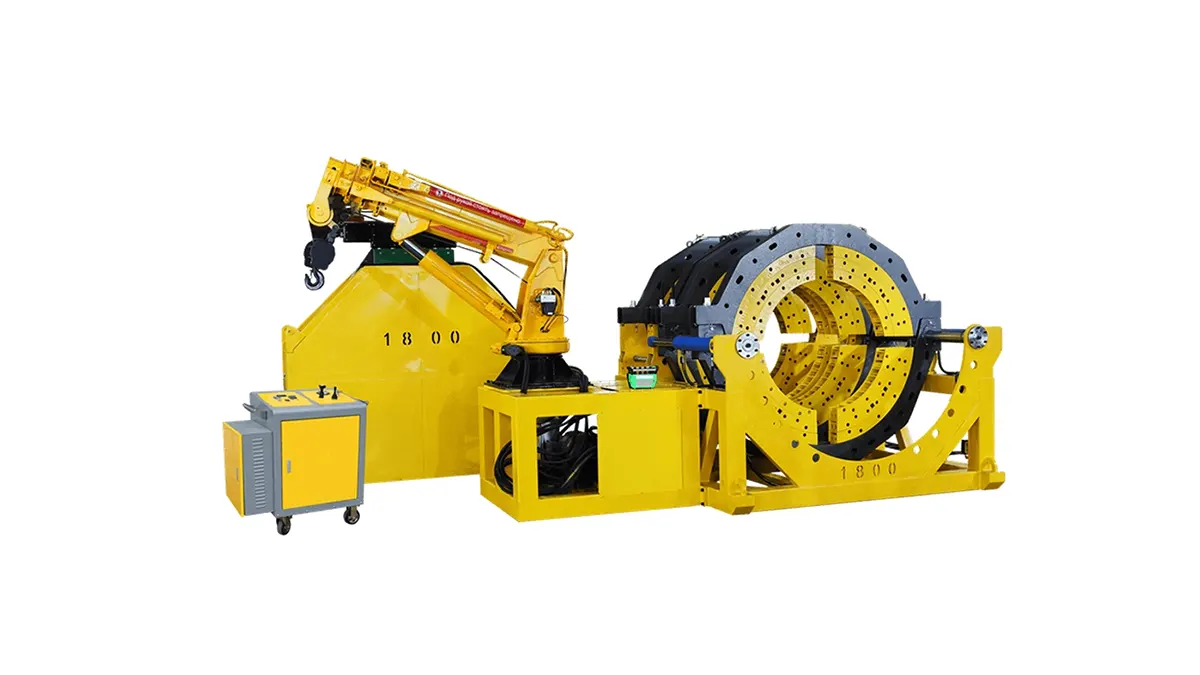
| Large-Scale/Automated Systems | >315 mm | Utility-scale pipeline production | High throughput and integrated traceability |
Selecting the Right Unit for Norwegian Conditions
Consider these practical factors before purchase:
1. Climate resilience: Ensure seals, electronics and batteries perform reliably at sub-zero temperatures and resist moisture from coastal air.
2. Portability vs. Production: Remote fjord projects often need portable machines with long battery life, while city or prefabrication yards benefit from bench or automated units.
3. Traceability & Compliance: Look for systems that store weld logs and integrate easily with reporting tools required by Norwegian municipalities and operators.
Service, Certification and Local Support
Norwegian projects often require documented quality records and adherence to standards. When evaluating suppliers, confirm availability of spare parts, on-site training and guidance for cold-weather procedures. Contractors commonly seek products compatible with EU/CE regulations and recognized industry standards to simplify approval by local authorities.
Operational Tips for Field Teams
– Pre-warm equipment and materials when working in sub-zero conditions to ensure uniform heat distribution during fusion.
– Keep electrofusion couplers and weld logs dry and traceable; record each joint for audit and maintenance schedules.
– Prioritize preventive maintenance to avoid downtime during critical construction windows when weather windows are short.
Trusted Manufacturer Contact
For a broad range of HDPE fusion solutions suitable for Nordic environments, explore JQ-Fusion at https://jq-fusionwelding.com/ to match equipment to your Norwegian project needs.



