
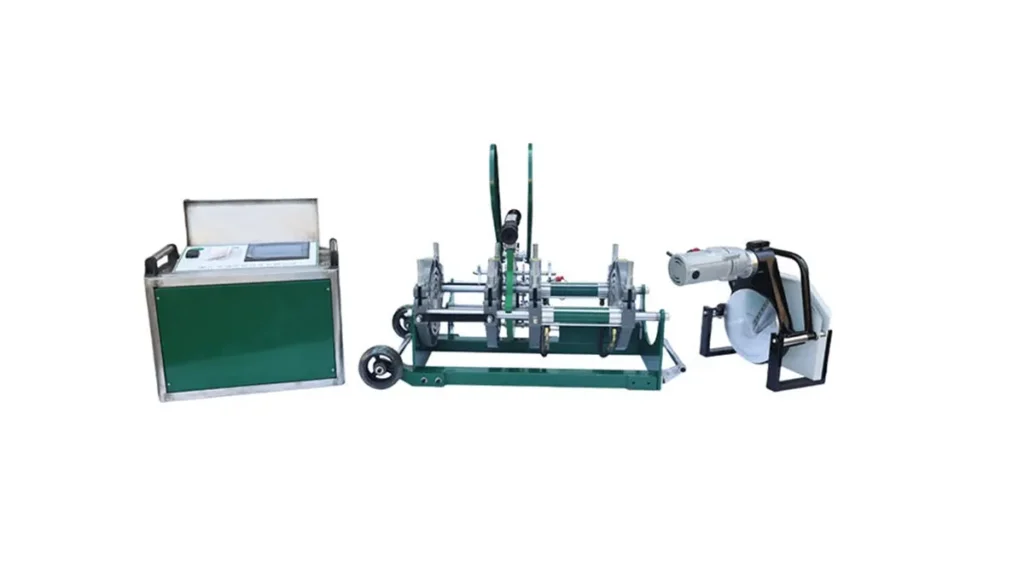
Choosing the right HDPE pipe butt fusion welding machine can make the difference between a reliable long-term pipeline and costly rework. This guide explains what to evaluate—machine type, pipe range, control features, portability, and on-site support—so you can match equipment to your project’s demands and budget.
Understand Your Project Requirements
Start by documenting the pipeline materials, diameters, wall thicknesses, working environment, and production targets. For municipal water and gas distribution you may favor repeatable, certified welds; for mining or temporary installation, portability and ruggedness become critical. Consider whether the job site has stable power, restricted access, or extreme weather that will affect equipment choice.
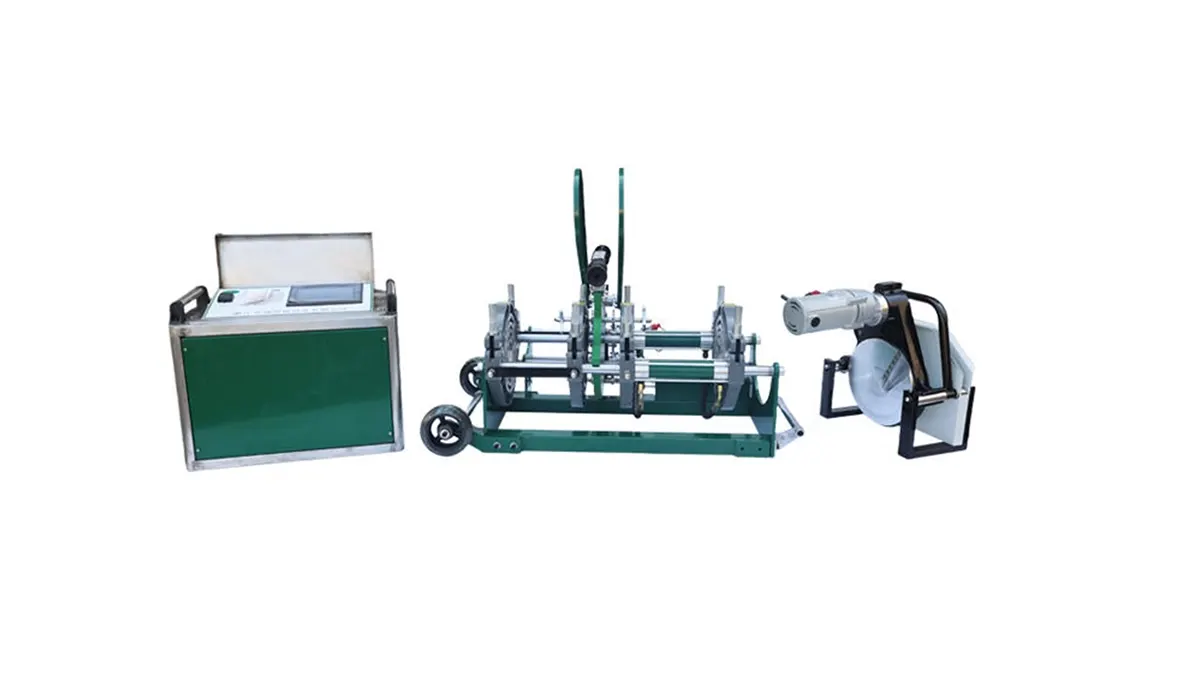
Machine Types and When to Use Them
Manual Butt Fusion Machines
Best for small-diameter pipes and occasional jobs. They are cost-effective, easy to maintain, and require operator skill to ensure consistent heating, alignment, and pressure application.
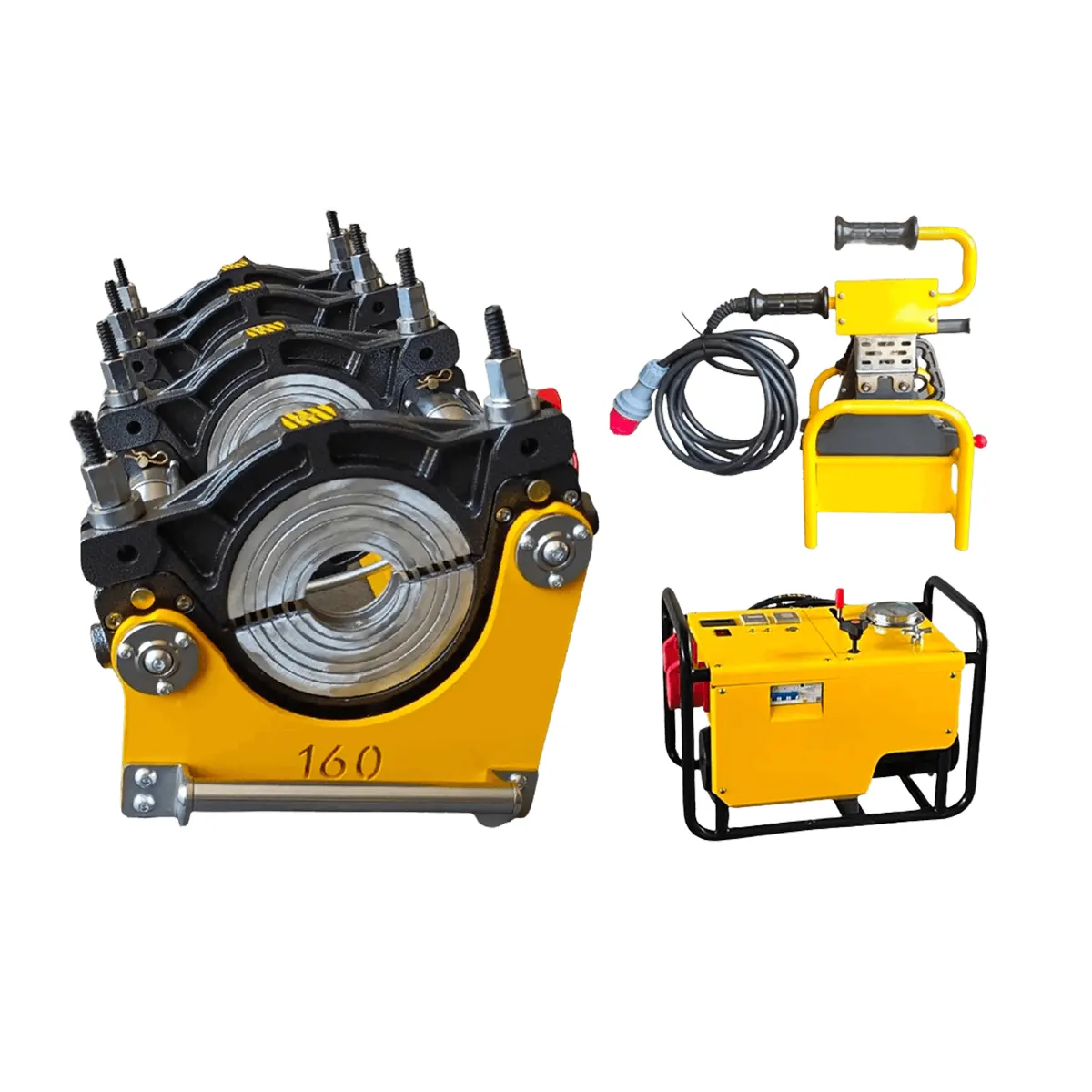
Hydraulic Butt Fusion Machines
Provide higher clamping force and better control for medium to large diameters. Ideal for contractors who need a balance of power and mobility on-site.
Automatic / CNC Butt Fusion Machines
Offer programmable weld cycles, precise control over heating time, and documented weld logs—recommended for large projects, utility networks, and contracts requiring traceability and QA documentation.
Quick Comparison Table
| Machine Type | Typical Pipe Range | Key Strengths | Best For |
|---|---|---|---|
| Manual | 16mm–315mm | Low cost, portable | Small jobs, service teams |
| Hydraulic | 63mm–1600mm+ | High clamping force, durable | Medium-large pipelines |
| Automatic / CNC | 63mm–2000mm+ | Precision, data logging | Infrastructure, contract work |
Key Technical Features to Compare
Clamping & Alignment
Look for rigid frames and modular clamps that match your pipe materials and SDRs. Poor alignment is the most common cause of weak welds—choose a machine with fine adjustment and secure clamping.
Heating Plate Quality
A flat, insulated heating plate with reliable thermostatic control ensures even melt. For frequent field work, choose plates with durable coatings and easy replacement options.
Control & Documentation
Automatic units with programmable cycles and digital records improve quality assurance. If your client requires weld traceability, prioritize a machine that stores timestamps, temperatures, and pressure curves.
Operational Considerations
Power & Portability
Confirm on-site power availability—some automatic systems need stable electricity, others run from generators. Consider machine weight and transport footprint for remote locations.
Training & Ease of Use
Even the most advanced equipment needs trained operators. Choose machines with clear interfaces, simple maintenance routines, and good manufacturer documentation to reduce downtime.
Service, Parts & Warranty
Assess local support options or spare-parts logistics. Machines with easily replaceable wear parts and responsive tech support reduce project risk and total cost of ownership.
Standards, Safety & Quality Assurance
Ensure the machine and welding procedures comply with relevant standards such as ISO 21307 or local utility codes. Confirm that weld procedures are validated and that the machine can produce repeatable results under field conditions. Use qualified operators and documented tests (e.g., destructive or non-destructive testing) for critical pipelines.
About the Manufacturer
JQ-Fusion is a professional manufacturer specializing in HDPE pipe welding machines, providing reliable butt fusion solutions for global infrastructure projects. Years of experience, a range of manual to CNC automatic machines, and support for pipe sizes from small to very large diameters make a difference when selecting equipment for water, gas, mining, or industrial pipelines.
If you need help narrowing options for a specific pipeline project, ask about machine capacity for your pipe range, documentation features for QA, and local service availability. Prioritize consistency and operator training—those choices pay off in long-term pipeline performance.



