
Choosing the right HDPE pipe joining equipment can dramatically affect project speed, weld quality, and long-term pipeline reliability. This buying guide highlights the most important factors — from machine types to practical selection tips — so engineers, contractors, and procurement teams can make confident decisions.
Understand the Main Types of HDPE Welding Machines
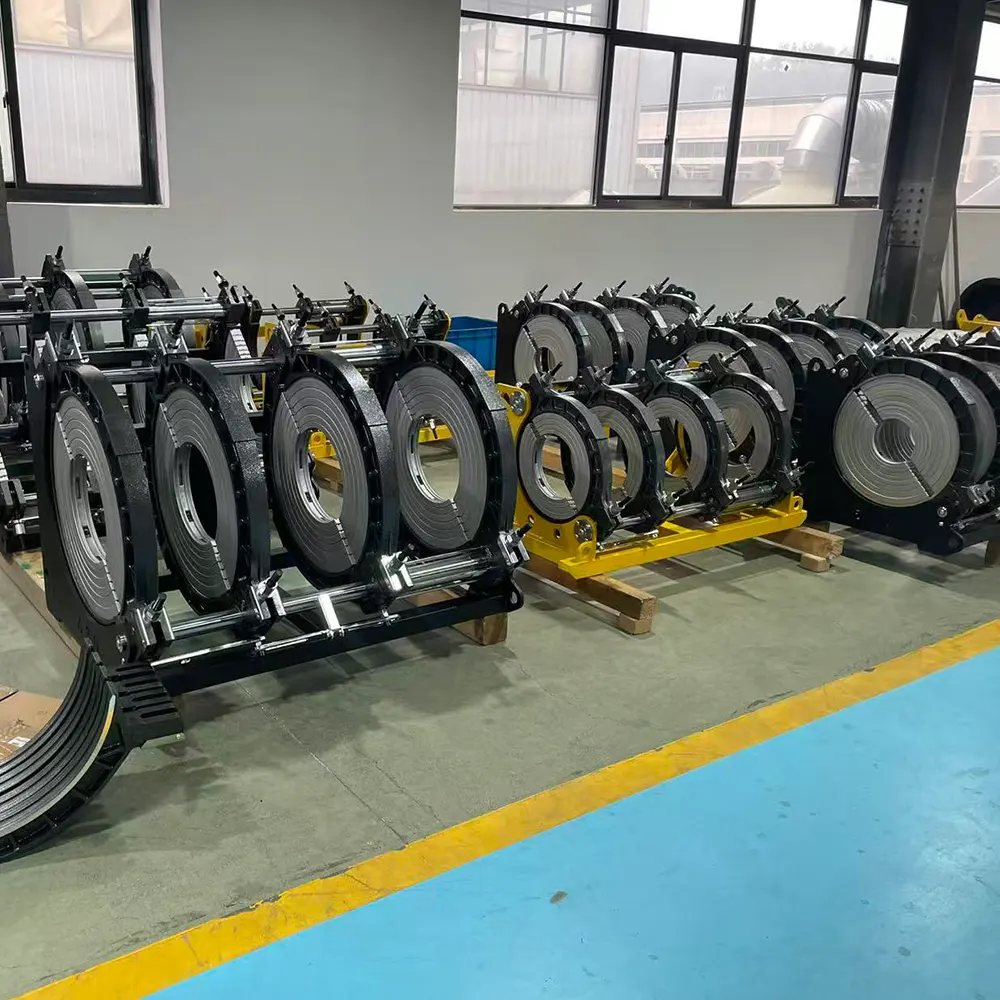
Manual (bench) machines, hydraulic units, and CNC/automatic butt fusion systems each serve different project scales and budgets. Knowing their strengths helps match machine capability to your pipeline application.
Quick overview
- Manual/Portable — Best for small jobs and tight spaces; lightweight and inexpensive.
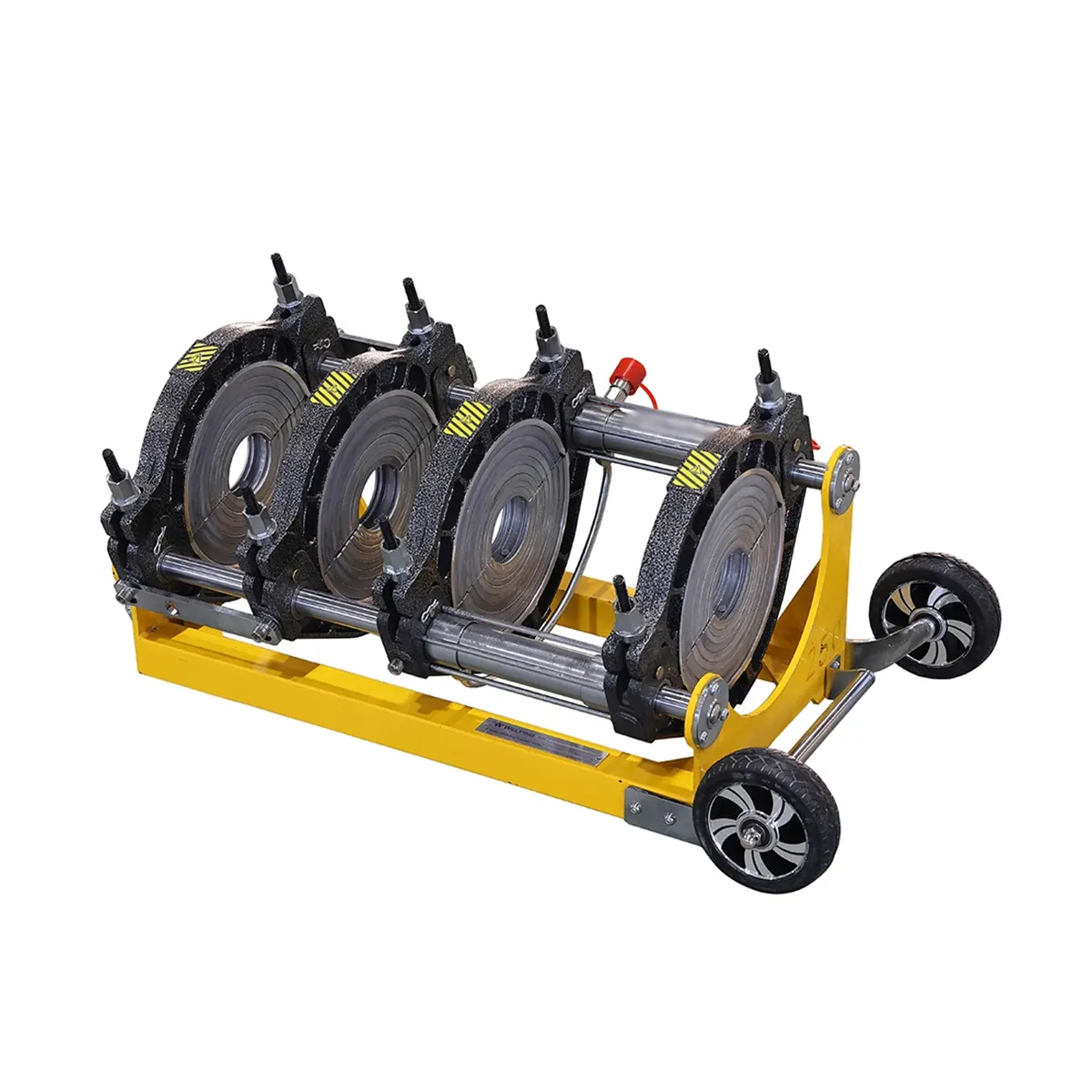
- Hydraulic — Reliable for medium to large diameter pipes; stable pressure control and robust frame.
- Automatic/CNC — Ideal for high-volume, precision welding with repeatable profiles and data logging.
Key Selection Criteria
When evaluating machines, prioritize weld quality, usability, durability, and after-sales support. Below are the decisive factors most specifiers use.
1. Pipe diameter and wall thickness
Confirm the machine’s clamping range and maximum hydraulic force to ensure it can handle your largest planned diameter and SDR (standard dimension ratio). Over-specifying by one model size can provide future flexibility.
2. Welding method and control
Butt fusion machines are the most common for large HDPE lines; electrofusion is used for fittings and service connections. Automatic controllers with digital temperature and pressure readouts improve repeatability and reduce operator error.
3. Portability vs. production
If you work in remote locations or need frequent relocation, choose lighter manual units or modular hydraulic frames. For factory or long linear projects, automatic machines with data logging deliver higher throughput.
4. Certification & standards
Look for machines compliant with relevant standards (e.g., ISO 21307 for butt fusion procedures or local pipeline codes). Certified heating plates and calibrated pressure transducers reduce inspection risks.
Comparison Table: Machine Types at a Glance
| Type | Best For | Diameter Range | Pros | Cons |
|---|---|---|---|---|
| Manual | Service lines, repairs | 20–400mm | Low cost, portable | Lower repeatability |
| Hydraulic | Main distribution lines | 63–2000mm+ | Robust, consistent pressure | Heavier, needs transport |
| Automatic/CNC | High-volume factory welding | 50–2250mm+ | Precision, data logging | Higher initial investment |
Practical Buying Tips
Checklist before you buy
- Verify required diameter and SDR compatibility.
- Ask about warranty, spare parts, and local service options.
- Request demonstration videos or on-site trials when possible.
- Confirm control system export options and data formats for quality documentation.
Operator training and documentation
Good supplier training reduces rework. Ensure the machine comes with clear operating manuals, maintenance schedules, and welding parameter charts tailored to your pipe materials and SDRs.
Total cost of ownership
Consider lifecycle costs — consumables (heating plate covers, scraper blades), calibration needs, and downtime. Sometimes a higher upfront cost for an automated system yields lower per-joint expense on large programs.
When to Consider Custom or Specialized Solutions
Projects with unusual fitting angles, very large diameters, or strict traceability requirements may need multi-angle fitting machines, large-diameter hydraulic frames, or systems with integrated QC software. Specialized machines can reduce field complexity and improve joint reliability.
Final decision flow
- Define project pipe sizes and volumes.
- Match to machine type (manual, hydraulic, CNC).
- Confirm control, certification, and support.
- Evaluate total cost and training plan.
About the manufacturer
JQ-Fusion is a professional manufacturer specializing in HDPE pipe welding machines, offering manual, hydraulic, and CNC automatic butt fusion solutions for global infrastructure projects.



