
Keeping the hydraulic oil in your butt fusion welding machine clean and at the right viscosity is one of the simplest ways to protect components, keep cycles steady, and avoid costly downtime. This guide explains recommended change intervals, how to spot contamination, what oil grades to use, and a practical checklist so technicians can maintain hydraulic systems reliably.
Why hydraulic oil matters for butt fusion machines
Hydraulic oil transfers power, lubricates moving parts, dissipates heat, and helps seal and protect valves and cylinders. Contaminated or degraded oil increases wear, causes sluggish hydraulic response, and can lead to seal failure or inaccurate clamp pressure during fusion, compromising weld quality.

How often to change hydraulic oil: general recommendations
There is no one-size-fits-all schedule, but common industry practice for hydraulic butt fusion machines is:
Initial break-in: change after the first 50–100 operating hours to remove manufacturing residues.
Routine: after break-in, change oil every 800–2,000 hours depending on usage intensity, environment, and oil quality. When in doubt, use the shorter interval.
Time-based rule: if hours are low, replace oil at least once per year to avoid degradation and moisture buildup.
| Usage Intensity | Hours Between Oil Changes | Typical Months |
|---|---|---|
| Light (maintenance/demo use) | 1,500–2,000 hrs | 12–24 months |
| Medium (regular onsite projects) | 800–1,200 hrs | 6–12 months |
| Heavy (continuous production/harsh sites) | 500–800 hrs | 3–6 months |
| Initial break-in | 50–100 hrs | — |
Signs you should change oil immediately
Dark or cloudy oil — indicates oxidation or particulate contamination.
Unusual odors — sour or burnt smells show overheating or degradation.
Increased foil/metal particles — felt on magnetic drain plugs or visible on oil sample; indicates wear.
Foaming or aeration — poor pump performance and cavitation risk.
Erratic hydraulic response — slow actuator return, inconsistent clamp pressure, or valve chatter.
Recommended oil types & specs
Choose an industrial anti-wear hydraulic oil that matches your machine’s spec and operating temperature. Common recommendations:
ISO VG46 (AW46) — typical for temperate climates and many butt fusion hydraulic systems.
ISO VG68 — for higher operating temperatures or heavy-load systems.
ISO VG32 — for very cold environments where low viscosity is needed at start-up.
Look for oils with good oxidation stability, anti-foaming agents, rust & corrosion inhibitors, and water separation characteristics (de-emulsibility). Always follow the machine manufacturer’s specification if provided.
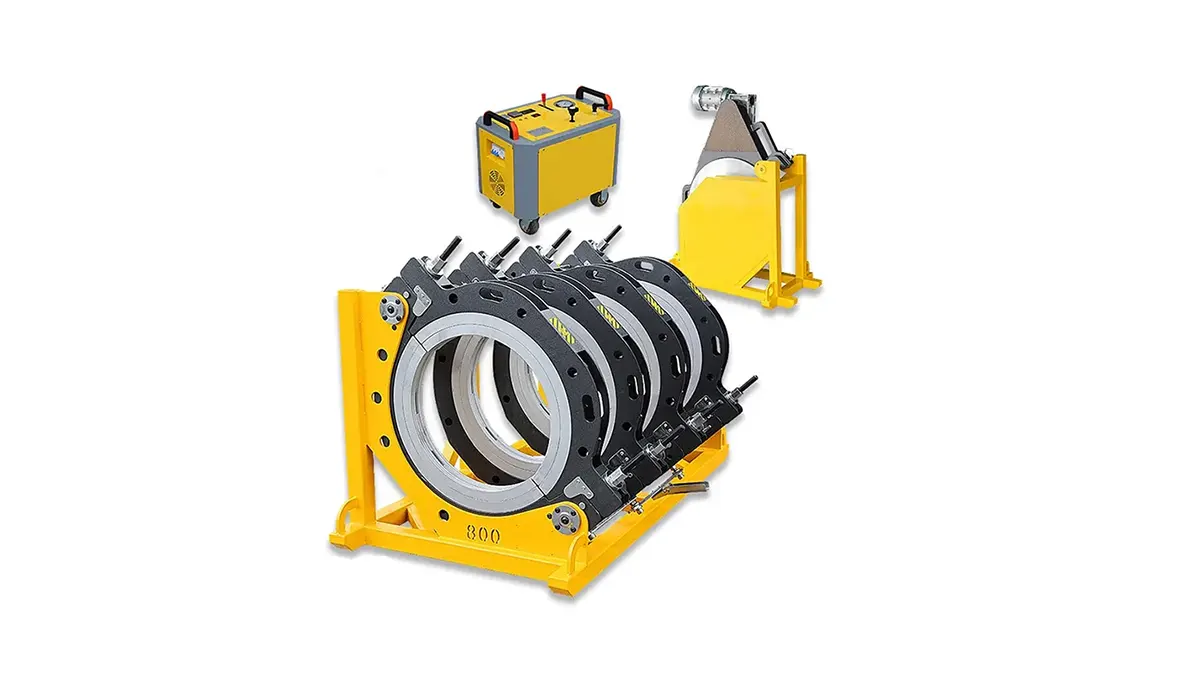
Step-by-step oil change checklist
1. Warm the hydraulic fluid by running the machine briefly — warm oil drains faster and carries contaminants out.
2. Place appropriate collection container and observe local disposal regulations for used oil.
3. Drain oil completely from the reservoir; remove magnet or drain plug and inspect for metallic particles.
4. Replace or clean suction screens, inline filters, and breather caps. Replace filter elements per the manufacturer’s schedule.
5. Refill with the recommended oil grade to the correct level, bleed trapped air from the system, and check for leaks under pressure.
6. Record the change: date, hours, oil brand/grade, and any findings (particle count, color, smell).
Filter maintenance & contamination control
Clean or replace hydraulic filters regularly. A clogged filter increases pump cavitation and can bypass contaminants into the system. Consider adding a high-efficiency return-line filter or a portable filtration cart for frequent maintenance on heavy-use machines.
Keep fluid-handling tools clean, seal open reservoirs during storage, and avoid introducing dust or water during refills.
Used oil disposal & responsible maintenance
Collect used oil and contaminated materials in approved containers and dispose of them through licensed recycling or waste facilities. Never pour used hydraulic oil into drains or soil. For parts, filters, or service support, contact JQ-Fusion at https://jq-fusionwelding.com/ for genuine components and technical guidance.
Quick tips to extend oil life and protect weld quality
Run machines within proper temperature ranges (avoid chronic overheating); check seals and breathers; schedule regular filter element changes; and keep a simple oil-sampling routine (visual + dipstick + occasional lab particle count) to spot trends before failure.
Regular oil care prevents downtime and keeps fusion cycles accurate — a small maintenance investment that protects weld integrity and your machine’s lifespan.



