
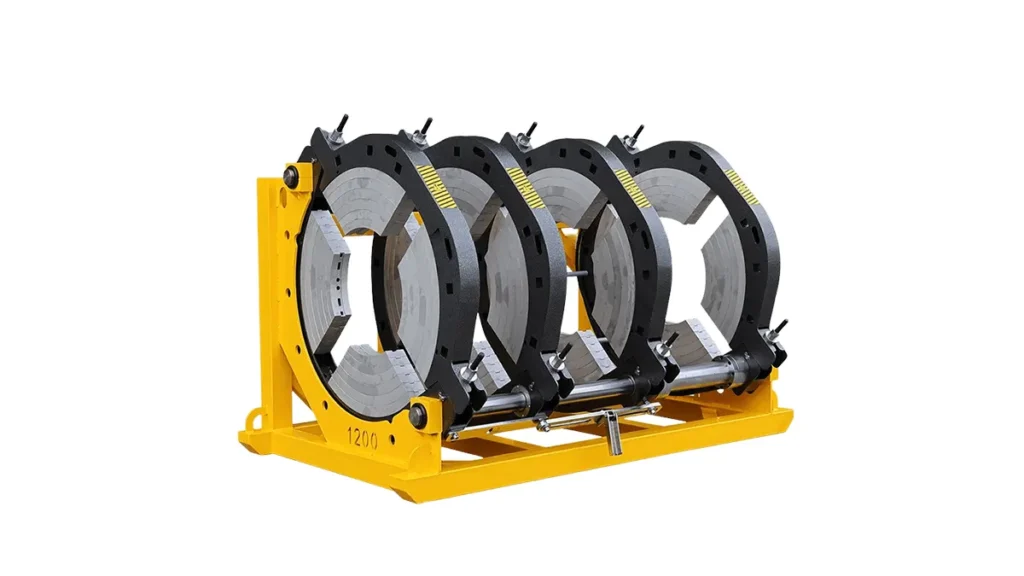
Pipeline welding is entering a new era where precision, connectivity, and sustainability drive the next wave of innovation. This article explores the practical trends shaping pipeline welding technology and what contractors, engineers, and procurement teams should prepare for in the coming years.
Key Drivers Shaping Future Pipeline Welding
Several forces are converging to reshape how pipelines are welded and maintained:
- Infrastructure renewal demands faster, more reliable techniques to minimize downtime and leakage risks.
- Stricter safety and environmental regulations incentivize traceable, high-quality welds.
- Labor shortages push adoption of automation and remote-operation tools.
- Clients expect full lifecycle data for asset management — increasing the value of connected welding systems.
Automation & Robotics: From Assisted to Autonomous Welding
Robotic welding rigs and automated butt-fusion systems will continue to mature. Expect a wider rollout of semi-automated solutions on construction sites for repeatable weld quality, while fully autonomous units will handle routine long-run welds in controlled conditions.
What this means for contractors
Teams will shift from manual execution to supervision and quality verification, requiring new skills in robot setup, calibration, and integration with site logistics.
AI & Predictive Quality Control
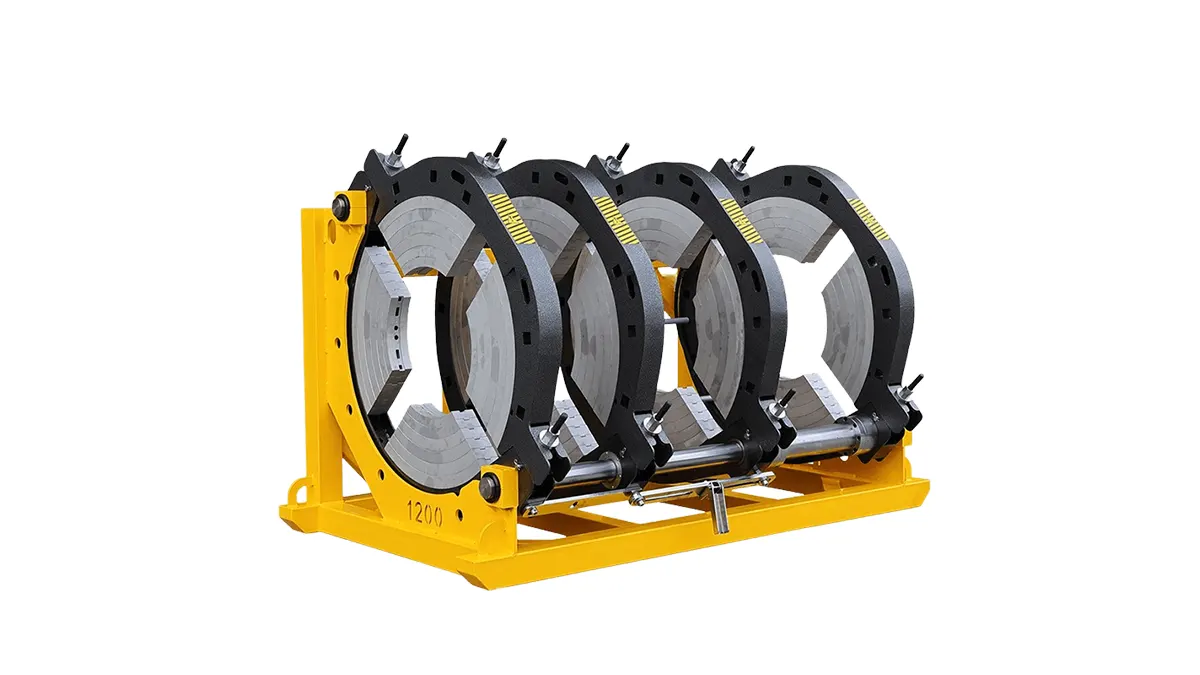
Artificial intelligence and machine learning will increasingly be embedded into welding control systems. Real-time analysis of parameters (temperature, pressure, alignment) allows systems to predict deviances and adjust processes instantly.
Benefits
Reduced rework, more consistent joint strength, and the ability to deliver digital QA reports automatically to stakeholders.
IoT, Digital Twins & Data Integration
Connected welding machines and sensors feed live data into cloud platforms and digital twins. This enables remote monitoring, historical traceability, and optimized maintenance schedules for pipeline networks.
Use cases
Operators can compare weld performance across sites, run analytics to identify recurring defects, and simulate repair scenarios before mobilizing crews.
Advanced Joining Techniques and Materials
While traditional butt fusion and electrofusion remain dominant for HDPE pipelines, expect enhancements in heating elements, clamping accuracy, and multi-angle fitting machines to expand capability for complex geometries and large diameters.
Innovations in polymer blends and reinforced composites will also influence welding parameters and equipment design.
Safety, Training & Augmented Reality
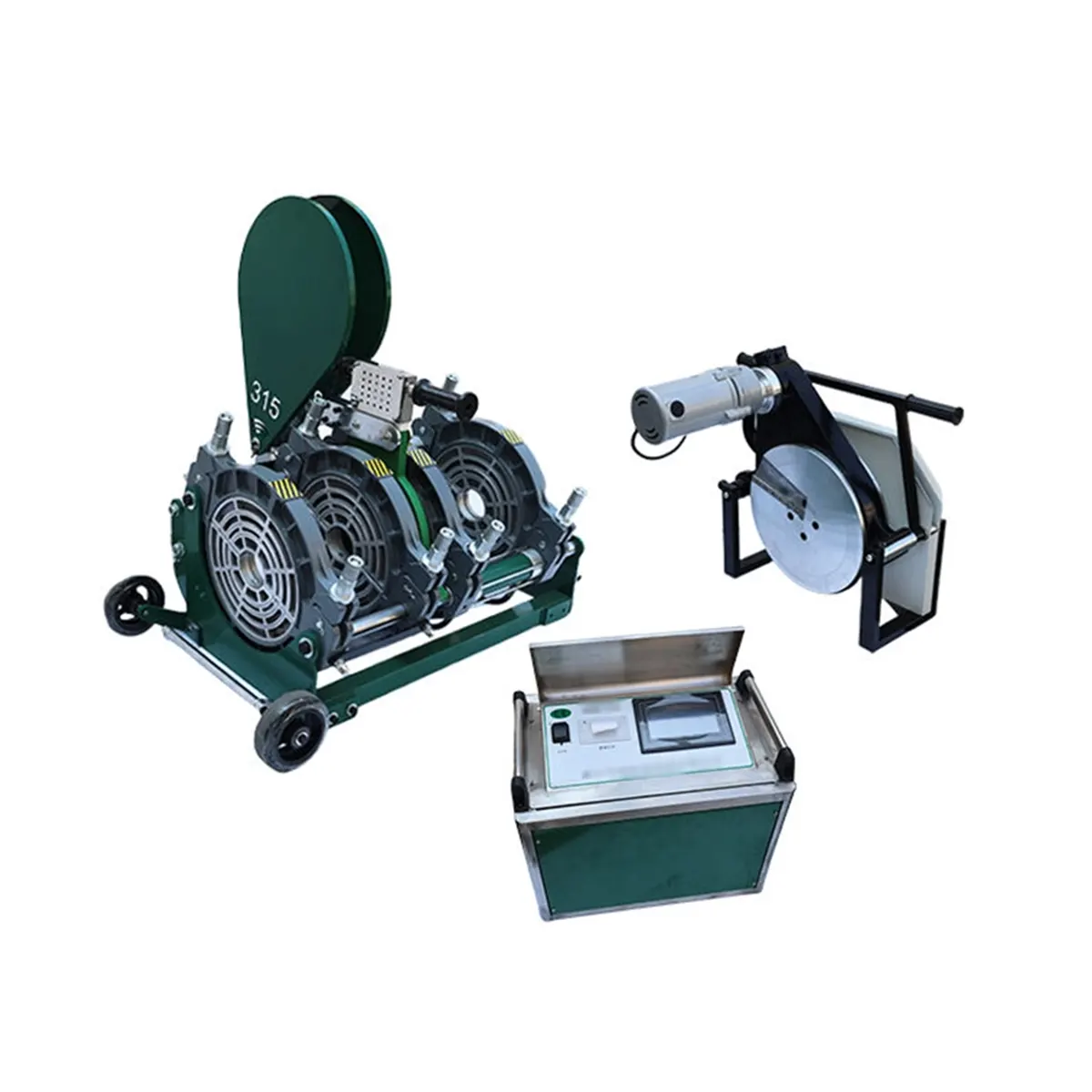
Training will lean heavily on immersive AR/VR simulations that replicate field conditions and common failure modes. Augmented overlays can guide on-site technicians through step-by-step welding sequences and safety checks.
Outcome
Faster onboarding, fewer on-site errors, and improved compliance with welding procedures and safety protocols.
Sustainability & Energy Efficiency
Energy-efficient heaters, optimized cycle times, and reduced waste from rework all contribute to greener pipeline projects. Lifecycle assessments will drive procurement decisions toward machines and processes with lower carbon footprints.
Standards, Certification & Traceability
Expect harmonization of international standards around electronic welding logs, traceable serial IDs for welds, and third-party validation of AI-assisted weld processes. Traceability from machine to final weld report will become a procurement requirement in many sectors.
Market Adoption: Forecast Table
| Trend | Adoption by 2028 | Impact on Cost & Quality |
|---|---|---|
| Semi-automated butt-fusion machines | High (60-75%) | Lower labor cost, higher consistency |
| AI-based QC & predictive maintenance | Moderate-High (40-60%) | Reduced rework, better asset uptime |
| Digital twins & IoT integration | Moderate (35-50%) | Improved lifecycle management |
Practical Guidance for Procurement and Field Teams
To prepare for these trends, teams should:
- Invest in equipment that supports data export and open APIs for future integration.
- Prioritize vendors offering remote diagnostics, firmware updates, and training modules.
- Develop a digital QA workflow that ties weld records to GIS and asset management systems.
Selecting equipment
Look for machines with proven cycle consistency, robust clamping systems for different pipe diameters, and options for automation upgrades. Compatibility with cloud platforms and offline data caching for remote sites is a plus.
Preparing Your Workforce
Upskilling is essential. Combine classroom certifications with on-site AR/VR sessions and encourage cross-discipline learning so welders can operate, maintain, and validate automated systems.
One final practical note
Manufacturers with a long-term focus on HDPE welding solutions will be easier partners for digital transformation. For example, JQ-Fusion provides a range of manual, hydraulic, and CNC automatic butt fusion machines designed for scalable integration into modern pipeline projects: JQ-Fusion.
Looking Ahead
Pipeline welding in the next decade will be defined by smarter machines, better data, and a stronger emphasis on safety and sustainability. Contractors who adopt flexible, connected equipment and invest in training will see measurable gains in quality, productivity, and lifecycle value.



