
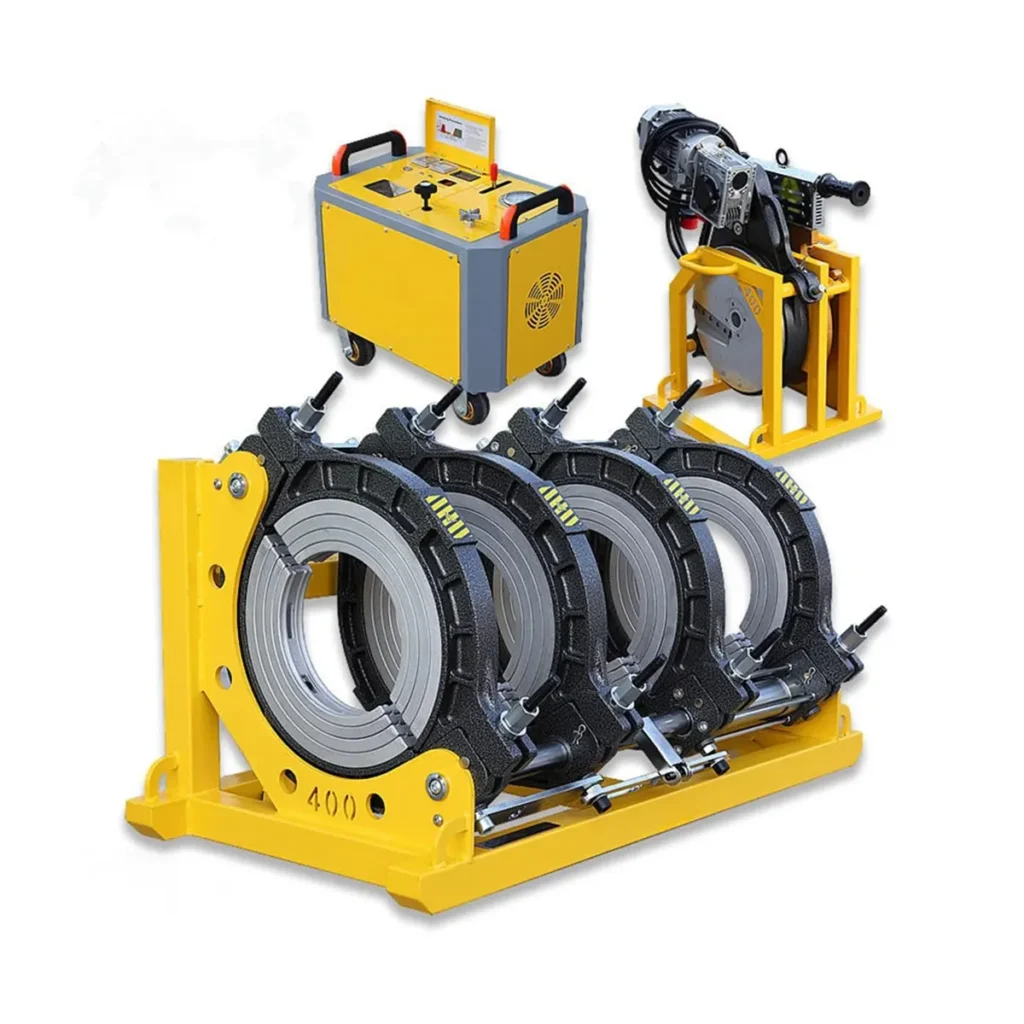
Efficient pipeline joining for municipal and industrial water supply systems depends on the right pipe welding equipment, correct procedures, and reliable maintenance. This guide explains key machine types, selection criteria, best practices, and troubleshooting tips to help contractors and project managers achieve leak-free, long-lasting HDPE and PE pipeline joints.
Why Proper Welding Equipment Matters
Durability, safety, and hydraulic performance of water distribution networks all start at the joints. Using the appropriate butt fusion, electrofusion, or multi-angle fitting machinery minimizes rework, reduces downtime, and ensures compliance with industry standards.
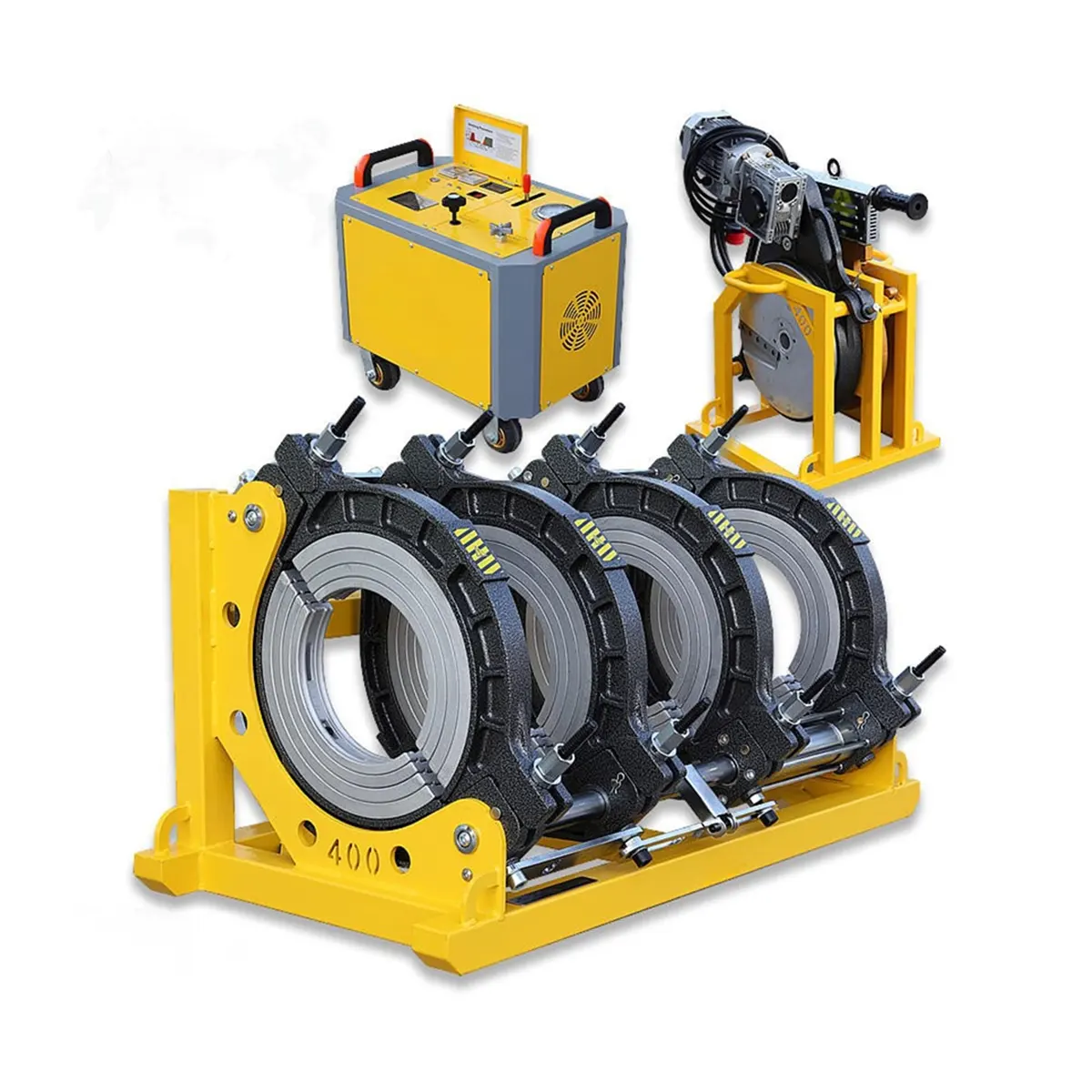
Core Machine Types for Water Supply Pipelines
- Manual Butt Fusion – Best for small-diameter repairs and tight-access jobs; portable and cost-effective.
- Hydraulic Butt Fusion – Ideal for medium to large diameters where consistent pressure and alignment matter.
- Automatic/CNC Butt Fusion – Preferred for long runs and factory-style welding with programmable cycles and data logging.
- Electrofusion – Great for fittings, saddles, and complex connections in confined sites or where thermal fusion is not feasible.
Selecting the Right Equipment: Quick Checklist
Match machine capability to pipe material, diameter range, site conditions, and project scale. Consider portability vs. automation, power source availability, and required welding cycle documentation for quality control.
Comparison Table: Typical Models & Applications
| Machine Type | Best For | Typical Diameter Range | Key Advantage |
|---|---|---|---|
| Manual Butt Fusion | Repair crews, rural sites | 20–315 mm | Lightweight & portable |
| Hydraulic Butt Fusion | Trunk mains, treatment plant pipelines | 90–2000+ mm | Stable pressure control |
| Automatic/CNC Butt Fusion | Long production runs, prefabrication | 63–1000 mm | Data logging & repeatability |
| Electrofusion | Fittings, service taps, constrained sites | 20–630 mm | Precision for complex joints |
Best Practices for Efficient Pipeline Joining
- Pre-weld preparation: Clean pipe ends, verify wall thickness and SDR, and confirm alignment using clamps or guides.
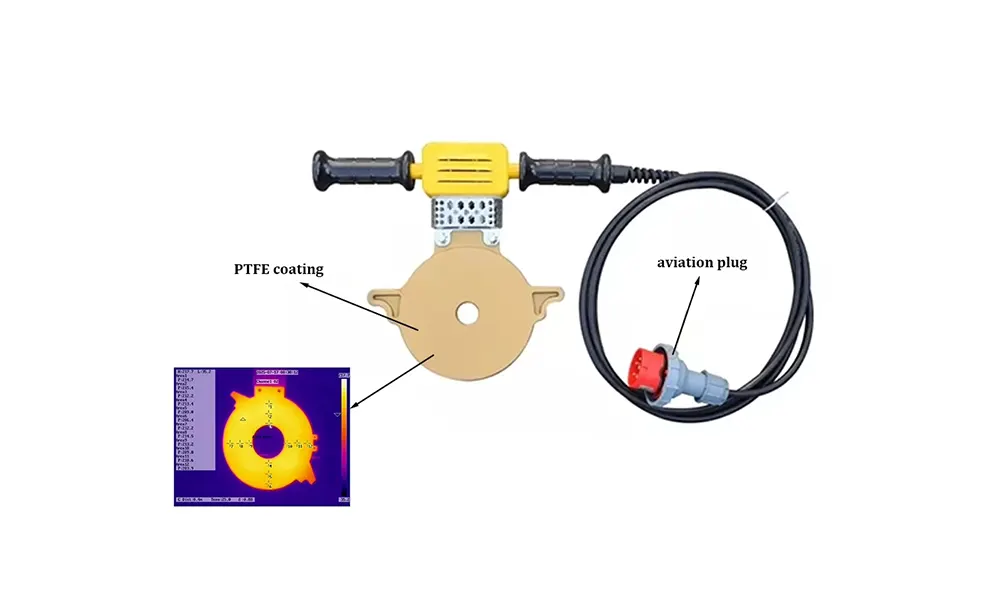
- Use the correct heating plate and temperature: Follow material-specific parameters; overheating can weaken the joint.
- Control pressure and soak time: Apply fusion pressure uniformly and adhere to recommended cooling times to avoid joint stress.
- Documentation & traceability: Log welding parameters, operator, and environmental conditions for QA and future inspections.
- Training: Certified operators reduce failure rates; practice consistent technique for alignment and bead formation.
Maintenance & Safety Tips
Regularly inspect heating surfaces for flatness, calibrate pressure gauges, and keep clamping surfaces free of debris. Always use PPE, follow lock-out procedures for hydraulic systems, and store heating plates to avoid damage.
Common Troubleshooting Scenarios
Cold joints: Often caused by insufficient temperature or pressure — increase heating time or pressure within spec. Misalignment can cause weak weld beads — re-align and trim pipe ends using a proper trimmer. For inconsistent bead appearance, check heater plate cleanliness and temperature stability.
Quick Checklist Before Accepting a Weld
- Visual bead uniformity and extrusion
- Recorded cycle parameters match project specs
- Cool-down completed before handling
- No visible contaminants at the root
For reliable equipment and global support, consider working with a proven manufacturer such as JQ-Fusion for machines that span manual, hydraulic, and automatic butt fusion solutions.
Need fast advice? Start by listing pipe diameter ranges, site power availability, and project throughput — this information will narrow the machine selection to the most cost-effective solution.



