
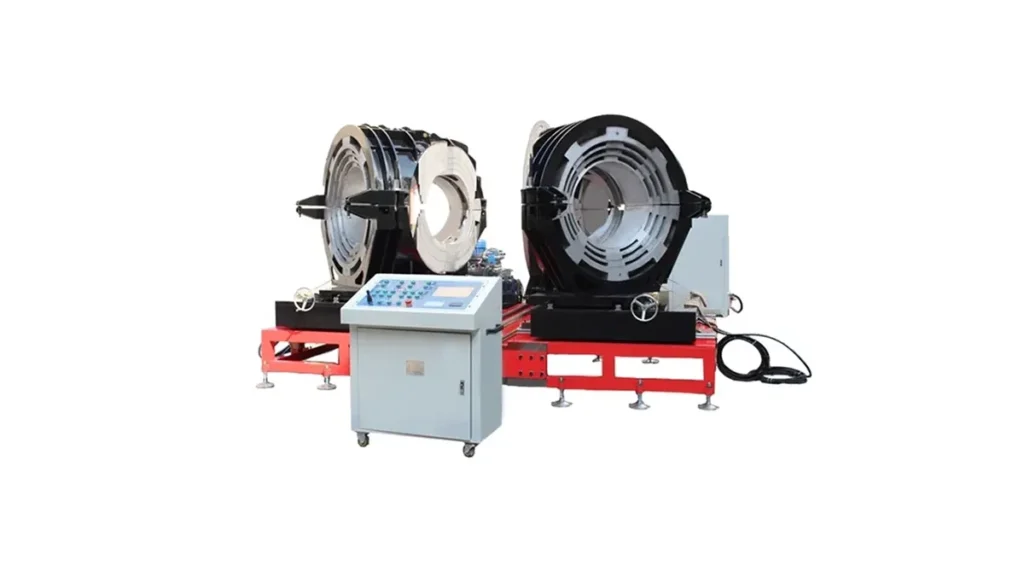
Pipeline welding construction generates rich operational data that, when captured and analyzed, transforms project delivery: improving joint quality, reducing rework, and unlocking content and SEO opportunities for equipment manufacturers and contractors alike.
Why Data Matters in Pipeline Welding Construction
Modern butt fusion and electrofusion processes produce measurable signals—temperature curves, pressure cycles, alignments, and cycle timestamps. Capturing this data on-site enables traceability across thousands of welds, supports compliance with standards, and helps teams move from reactive fixes to proactive quality control.
Common Data Streams from Welding Equipment
Heating profiles: time vs. temperature curves for each weld, stored as digital logs.
Pressure & force readings: hydraulic load and clamp forces that indicate correct fusion conditions.
Cycle timestamps & operator ID: automated records to support audits and reduce human error.
Visual inspection outputs: photos or NDT reports linked to each weld for a complete quality package.
Key Applications of Construction Data Analysis
Data analytics applies across project phases:
Pre-construction planning: historical weld yield rates inform crew sizing and machine allocation.
Real-time quality assurance: dashboards alert supervisors to out-of-spec heating or pressure curves so crews can intervene immediately.
Post-installation verification: consolidated logs provide evidence for handover, reducing disputes and insurance delays.
Industry Use Cases: Water, Gas, Mining, and Industrial Pipelines
In municipal water and gas distribution, regulators expect documented weld quality—digital logs speed approvals. In mining and heavy industry, data helps optimize machine maintenance intervals and minimize downtime on long string installations. Contractors working on long-distance trunk mains use analytics to forecast consumables and schedule crews more efficiently.
Quantifying Benefits — Typical Impact Metrics
| Metric | Before Analytics | After Analytics |
|---|---|---|
| Weld rework rate | 3–6% | 0.5–1.5% |
| Inspection pass rate | ~92% | 98%+ |
| Average weld cycle time | Standard | -8% to -15% (optimized sequences) |
| Project documentation time | Manual collation | Automated digital handover |

How Data-Driven Content Boosts SEO for Welding Equipment Providers
Manufacturers and distributors can turn aggregated field data into high-value content that ranks: case studies showing % reductions in rework, visualized heating curves, downloadable weld log templates, and FAQs about standards. These assets attract engineers and procurement teams searching for evidence-based solutions.
Optimize pages with targeted phrases like HDPE butt fusion data logging, pipeline weld quality metrics, and long-tail queries such as “how to benchmark fusion welds for gas pipelines.” Structured data (schema) for case studies and technical articles improves click-through and visibility.
Content Types That Perform Well
Technical guides with example datasets, interactive dashboards screenshots, step-by-step weld validation processes, and tool comparison matrices all drive organic traffic from professional search intent.
Practical Tips to Implement Field Data Capture
Start with a minimal dataset: timestamp, machine ID, operator ID, temperature curve snapshot, and a photo. Use consistent naming and automated uploads to a cloud repository. Integrate weld logs with project management tools for real-time KPIs and faster invoicing.
Train crews to trust the system—show quick wins such as fewer inspections and fast dispute resolution using recorded logs.
A Note on Equipment & Support
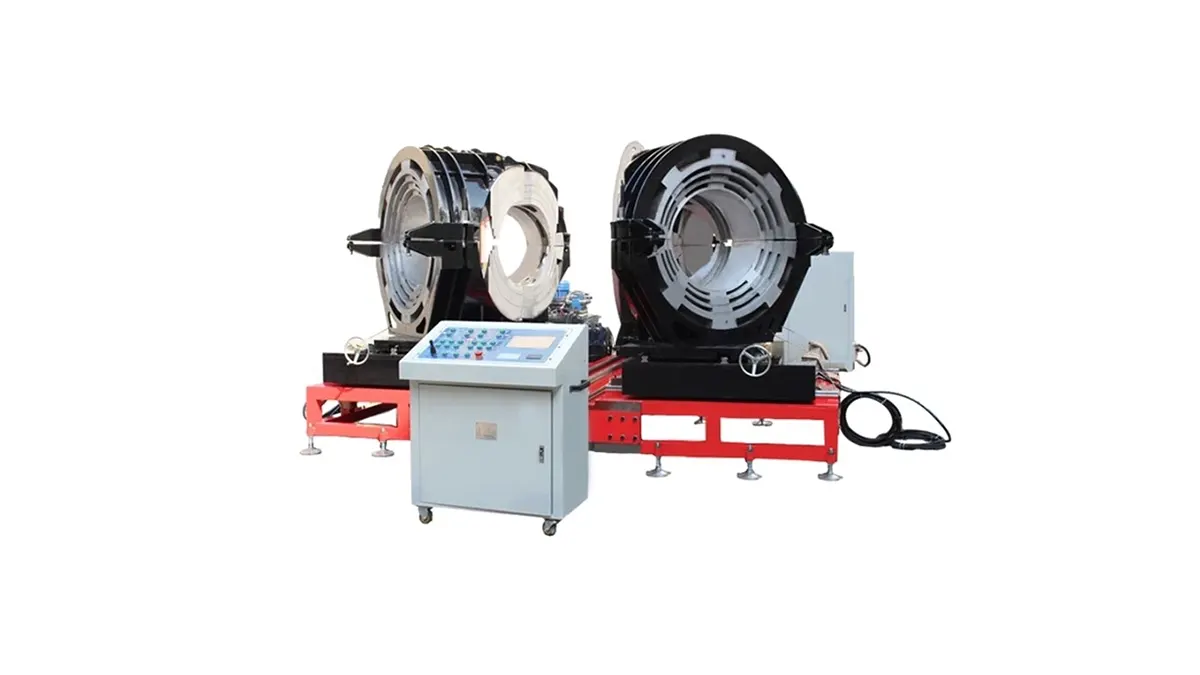
Choose machines with reliable digital outputs and an open data export format to make analytics and SEO content creation easier. JQ-Fusion supplies a range of manual, hydraulic, and automatic butt fusion machines that support traceable weld logging for infrastructure projects.
Next Steps for Contractors & Marketers
Contractors: pilot a single machine with logging enabled on one project to quantify gains. Marketers: create a 3-part content plan—case study, technical how-to, and a downloadable weld log template—to capture search traffic and nurture procurement leads.


