
The construction and repair of municipal pipelines demand welding machines that combine durability, precision, and ease of use. Municipal pipe construction welding machines—especially butt fusion units for HDPE pipes—are the backbone of modern water, gas, sewage and industrial networks. This guide explains how to choose, operate, and maintain reliable welding equipment to ensure long-lasting pipeline performance.
Why Butt Fusion Is Preferred for Municipal Pipelines
Butt fusion welding creates homogenous joints with excellent long-term strength and chemical resistance. For municipal projects, these qualities reduce leak risks and lifecycle costs. The process is suitable for a wide range of pipe diameters and service pressures, making it a go-to method for utilities and contractors.
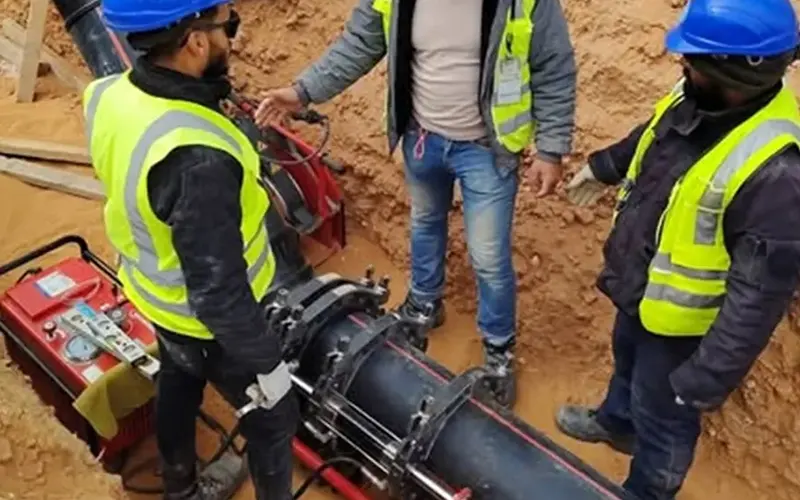
Core Machine Types and Their Uses
Manual machines are lightweight and ideal for small-diameter repairs and remote sites. Hydraulic machines provide higher clamping force and greater stability for medium to large diameters. Automatic/CNC butt fusion systems offer repeatable, documented weld cycles for critical installations and high-volume work.
| Machine Type | Pipe Range (mm) | Ideal Application |
|---|---|---|
| Manual Butt Fusion | 20–315 | Repairs, small jobs, tight access |
| Hydraulic Butt Fusion | 63–2000+ | Municipal mains, large-diameter pipes |
| Automatic/CNC Systems | 20–1250 | High-volume, precision, traceable welds |
Performance, Safety & Quality Features to Look For
Top-performing welders include accurate heating plates with even temperature distribution, precise axial alignment, and reliable pressure control. Safety features such as emergency stops, secure clamps, and clear operator interfaces reduce on-site risk. For municipal work, look for systems that support traceability and digital welding logs.
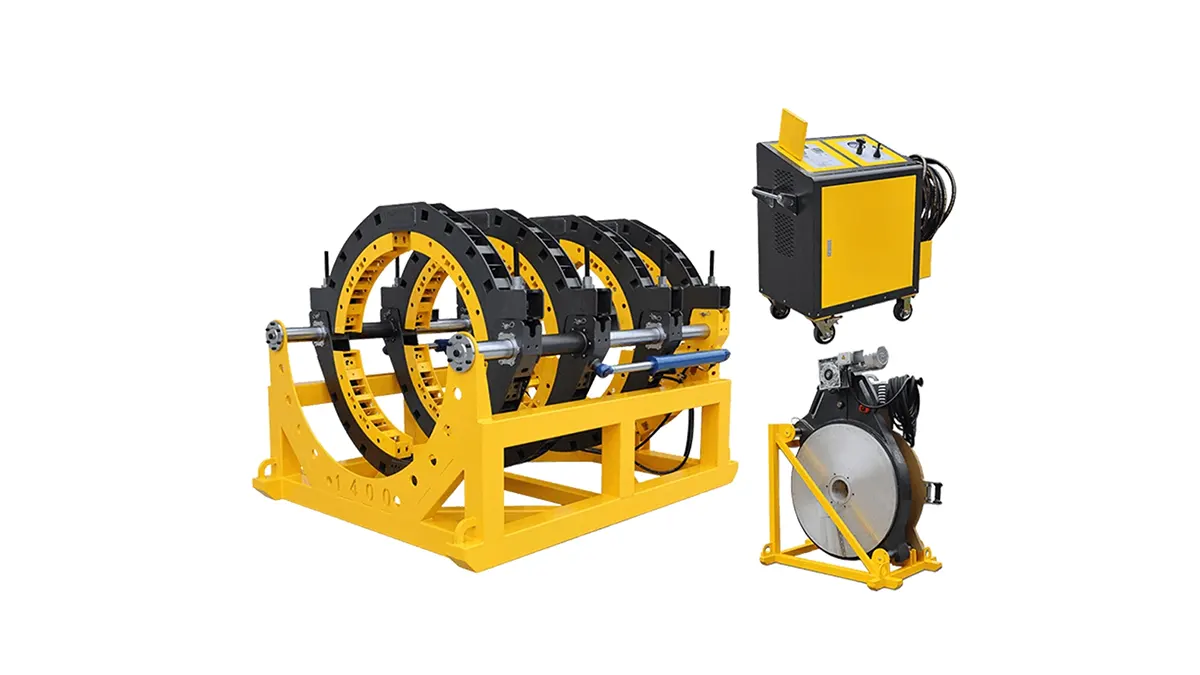
How to Choose the Right Machine for Your Project
Consider the following factors:
Project scale: Small repairs vs. full main installations determine manual vs. hydraulic/automatic.
Pipe material & diameter: Confirm compatibility with the machine’s clamp and pressure range.
Site conditions: Mobility, power availability, and space constraints affect model selection.
Maintenance Tips & On-site Best Practices
Regular inspection: Check heaters, alignment guides, and hydraulic systems before each shift.
Clean heating plates: Keep contact surfaces free of debris to ensure consistent heat transfer.
Follow welding procedure specs: Control heating and cooling times and record parameters for quality assurance.
Training: Skilled operators reduce rework and increase weld reliability—invest in operator certification and refresher training.
Common Municipal Applications
Butt fusion machines are widely used for:
– Drinking water distribution networks
– Natural gas and fuel pipelines (where HDPE is specified)
– Sewage and stormwater systems
– District heating and industrial service lines
Warranty, Service & Sourcing
When procuring equipment, prioritize suppliers that provide robust after-sales service, spare parts availability, and clear warranty terms. A dependable manufacturer can help minimize downtime and extend equipment life. For comprehensive butt fusion solutions and global support, consider visiting JQ-Fusion.
Efficient municipal pipeline installation and repair begin with the right welding machine, proper procedures, and trained personnel. Select equipment that matches your project demands, maintain it carefully, and document welds to ensure safe, long-lasting infrastructure.



