
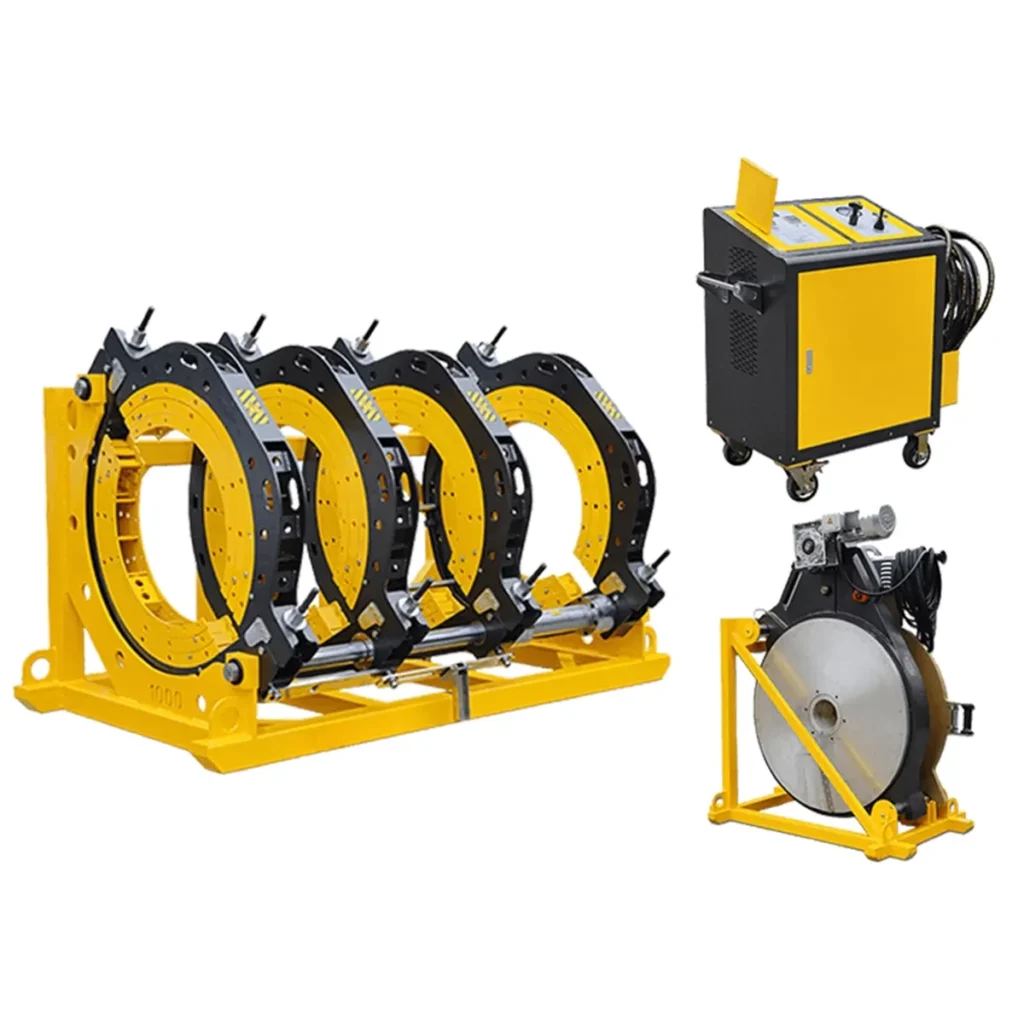
The electric fusion pipe welding system is a cornerstone technology for modern HDPE pipeline projects, delivering efficient, reliable joints across water, gas, mining, and industrial networks. This guide explains how electric butt fusion and electrofusion systems work, what to look for when choosing equipment, and best practices to maximize uptime and weld quality.
Why Electric Fusion Systems Matter
Electric fusion methods produce homogenous joints by melting and fusing pipe materials at controlled temperatures and pressures. Compared with mechanical joiners and solvent-based methods, electric fusion offers superior leak resistance, long-term durability, and predictable performance for networks that must meet strict regulatory standards.
Key Advantages
- Consistent weld quality through programmed heating and controlled cooling cycles.
- Minimal field preparation time and reduced excavation costs on long runs.
- Compatibility with a wide range of HDPE pipe diameters when using modular machines.
Core Components of an Electric Fusion System
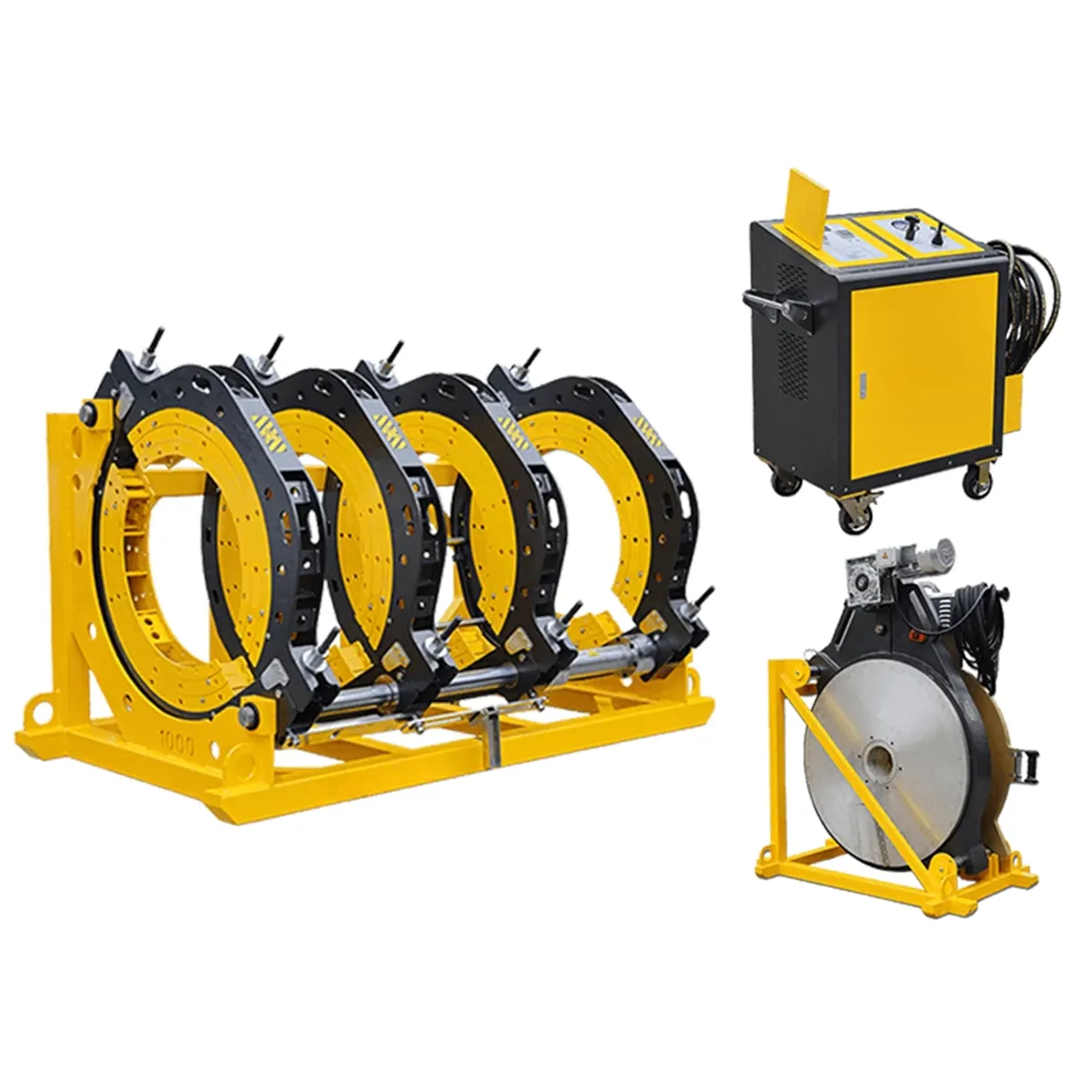
A complete setup typically includes a heating plate or electrofusion unit, alignment clamps, a hydraulic or electric carriage, trimming tools, and a control console. Advanced automatic systems incorporate PLC or touchscreen controls for repeatable cycles and on-board data logging.
Component Checklist
- Heating plate or electrofusion fittings and inverter
- Clamping frames with secure pipe centering
- Hydraulic power pack or electric drive for axial force
- Digital controller with time/temperature/pressure profiles
Step-by-Step Electric Butt Fusion Process
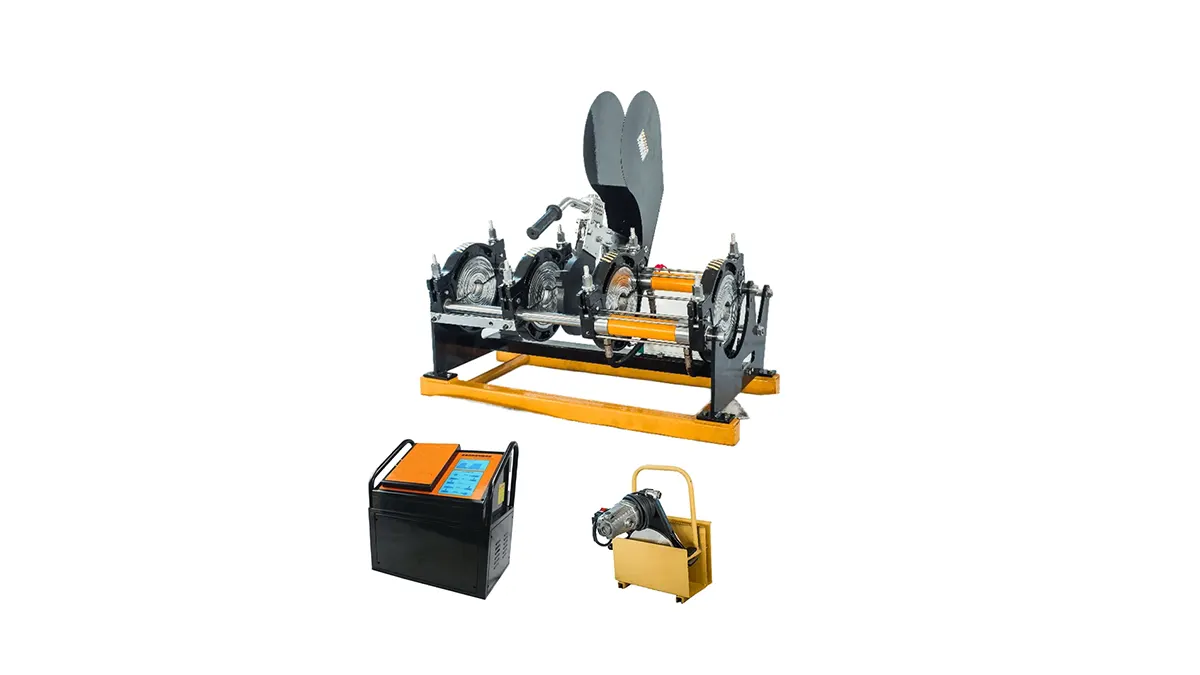
Preparation: Clean and align pipe ends. Ensure correct clamping and absence of contaminants. Heating: Apply the heating plate or electrofusion coil at manufacturer-specified temperature and dwell time. Fusion: Remove heater and bring pipe ends together under controlled pressure. Cooling: Maintain axial restraint until joint cools to prevent joint deformation.
Quality Control Tips
- Record cycle parameters (temperature/time/pressure) for each joint.
- Use calibration and verification for heaters and controllers on a scheduled basis.
- Inspect fusion beads and perform non-destructive testing where required.
Selecting the Right Machine: Quick Comparison
| Machine Type | Pipe Range | Cycle Time | Best Use |
|---|---|---|---|
| Manual Butt Fusion | 20–315 mm | Longer | Small jobs, rural repairs |
| Hydraulic Butt Fusion | 63–2000+ mm | Moderate | Construction sites, pipelines |
| Automatic/CNC Fusion | 63–2250 mm | Fast & repeatable | Large projects, factory prefabrication |
Maintenance and Field Best Practices
Regular maintenance keeps fusion electronics and hydraulics reliable. Replace heater Teflon covers when worn, keep surfaces clean, and store control units in dry conditions. Train operators on joint acceptance criteria and proper documentation to reduce rework and ensure long-term system reliability.
Operator Training Essentials
- Interpreting controller readouts and alarms
- Safe handling of heated plates and hydraulic fluids
- Environmental considerations: cold weather welding protocols and sheltering heaters
Compliance, Safety & Certification
Follow local pipeline standards and welding codes. Maintain traceable records of each fusion joint and ensure machines are calibrated to recognized standards. Portable data logging and barcode-enabled records are increasingly required on municipal and industrial contracts.
Who to Contact
For project-specific machine selection, technical support, and customized fusion equipment solutions, contact JQ-Fusion through their website: https://jq-fusionwelding.com/
Common FAQs
Q: Can a single machine handle all pipe sizes?
A: Modular systems with interchangeable clamps can cover wide ranges, but very large diameters often require dedicated hydraulic or CNC models.
Using the right electric fusion pipe welding system reduces project risk, shortens schedules, and ensures joints that last the life of the pipeline. Proper equipment selection, operator training, and routine maintenance are the three pillars of consistent fusion performance.



