
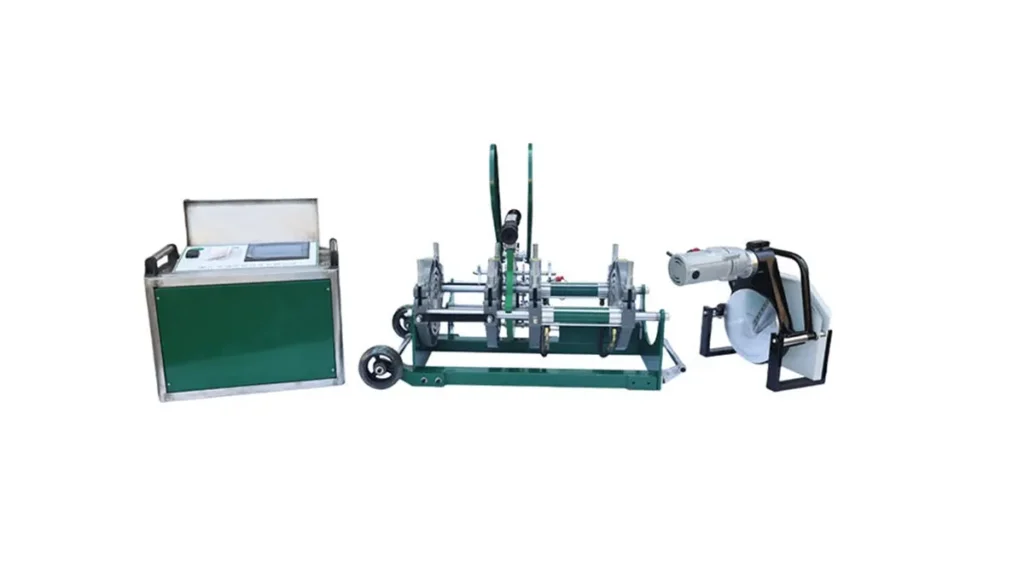
PE pipe heat fusion (butt fusion) welding machines are essential for joining HDPE/PE pipes used in water, gas, mining, and industrial piping. If you’re researching “How much does a PE pipe heat fusion welding machine cost?”, this guide breaks down typical price ranges, the main cost drivers, and practical buying tips so you can budget accurately for your next pipeline project.
Quick Price Snapshot
Prices vary widely depending on machine type, pipe diameter range, automation level, and optional accessories. Below is a concise pricing table to help you compare common categories:
| Machine Type | Typical Pipe Range | Estimated Price (USD) |
|---|---|---|
| Manual / Bench Butt Fusion | 20 mm – 315 mm | $800 – $3,000 |
| Hydraulic Butt Fusion | 63 mm – 1250 mm | $6,000 – $35,000 |
| CNC / Automatic Butt Fusion | 63 mm – 800 mm | $15,000 – $90,000 |
| Large Diameter / Heavy Duty Frames | 800 mm – 2500+ mm | $40,000 – $250,000+ |
| Accessories & Training | Clamps, heaters, trimmers, tools | $200 – $10,000 |
Why Prices Differ: Key Cost Drivers
Machine type and automation: Manual machines are the most affordable but require more operator skill. Hydraulic units add power and versatility for mid-range pipes. Fully automatic CNC machines raise precision, repeatability, and price.
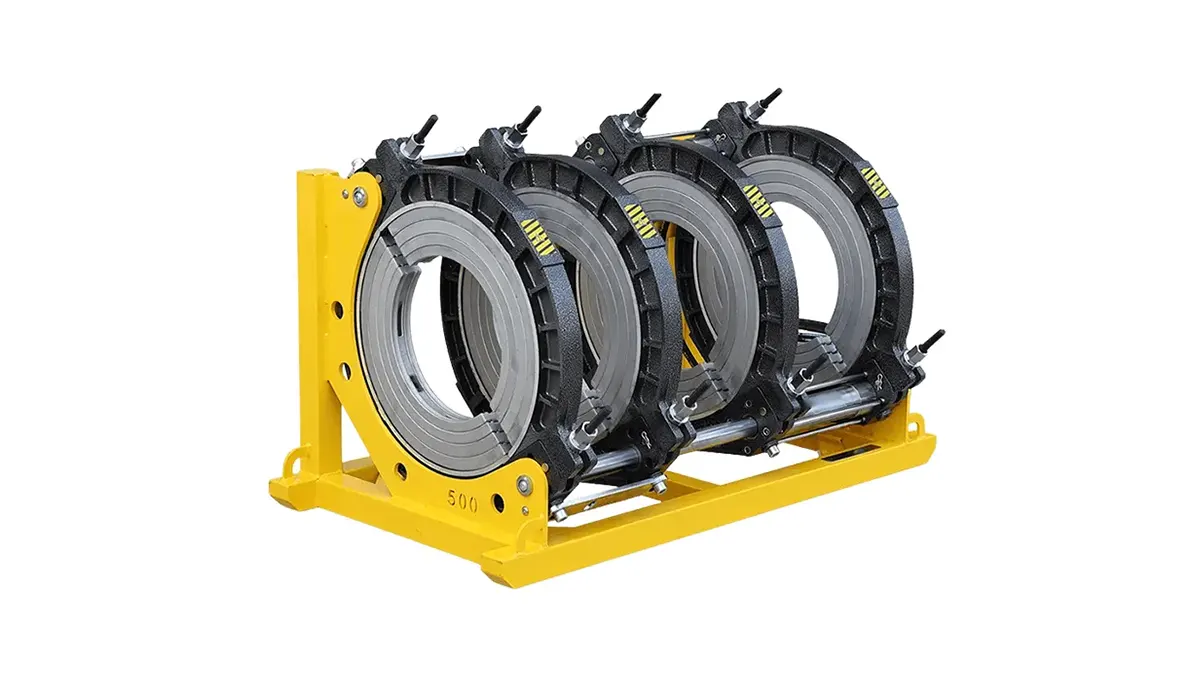
Pipe diameter and frame strength: Larger-diameter machines use heavy frames, high-capacity hydraulics, and larger heaters — all increasing material and shipping costs.
Control systems and traceability: Digital controllers, data logging, and automated fusion cycles improve quality control for critical infrastructure projects, but add to unit cost.
Accessories, tooling, and certifications: Extra clamps, facing tools, spare heaters, transport cases, factory calibration, or third-party certifications (e.g., ISO, OEM traceability) will increase the total procurement cost.
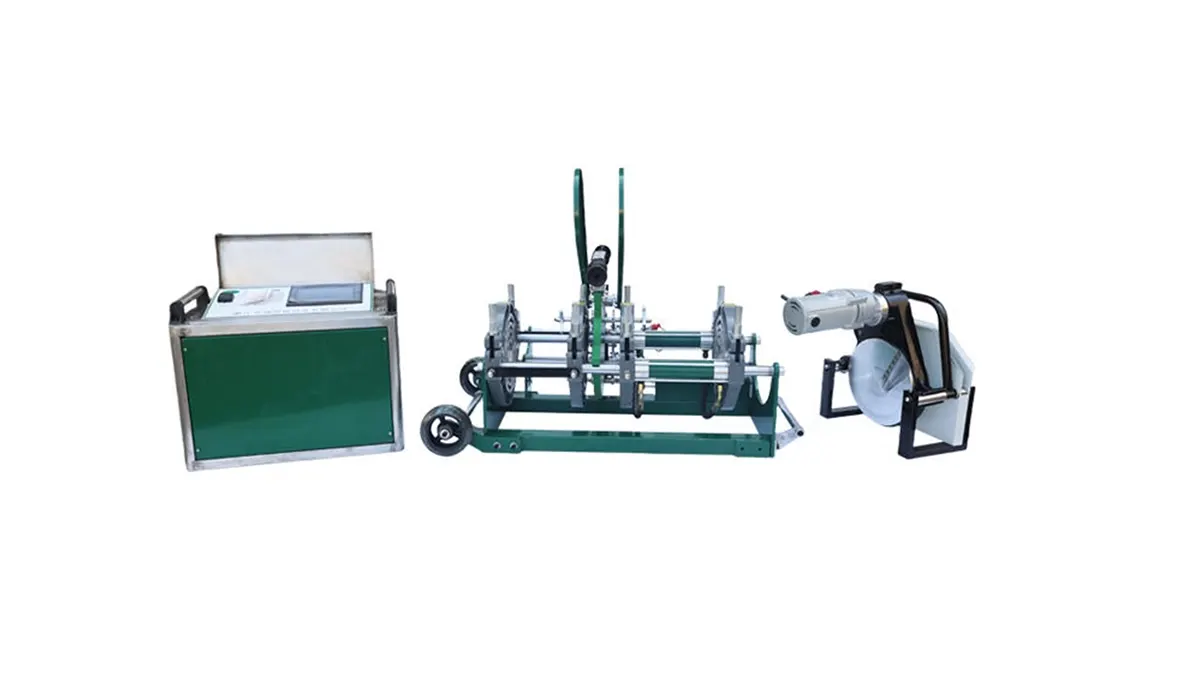
Estimating Total Project Cost
To budget realistically, include these line items in addition to the machine price:
- Shipping & import duties: Large machines can incur significant freight & customs charges.
- Training and commissioning: On-site startup and operator training ensure weld quality and safety.
- Spare parts and consumables: Heating plates, fuses, seals, and facing blades are recurring costs.
- Warranty & service plans: Extended service contracts reduce downtime but add to upfront expense.
How to Choose the Right Machine for Your Budget
1) Define your pipe range and production goals. If you weld small diameter lines occasionally, a manual bench or portable hydraulic unit may suffice. For high-volume or high-spec networks, invest in CNC automated systems for speed and quality control.
2) Prioritize traceability if required. Municipal water, gas, or industrial projects often demand weld records and certifiable procedures — choose machines with data-logging and digital control.
3) Consider lifecycle cost, not just purchase price. A higher-priced automatic machine can save labor hours and reduce rework, lowering total cost of ownership.
Buying Tips & Negotiation Points
Request itemized quotes that separate the base machine, accessories, shipping, and training. Ask suppliers about lead times, warranty scope, and availability of spare parts. For repeat purchases or fleet buys, negotiate discounts, bundled spare parts, or extended service packages.
Common Questions (SEO-friendly FAQ)
Q: Are used butt fusion machines a good value? A: Used machines can be cost-effective if inspected and calibrated. Verify hydraulic system condition, heater plate flatness, and availability of replacement parts.
Q: How much for operator training? A: Basic training is often included or available for a few hundred to a few thousand dollars depending on on-site travel and training depth.
For reliable HDPE welding equipment and tailored advice, you can consider contacting JQ-Fusion via their website to get model-specific quotes and lead times: https://jq-fusionwelding.com/



