
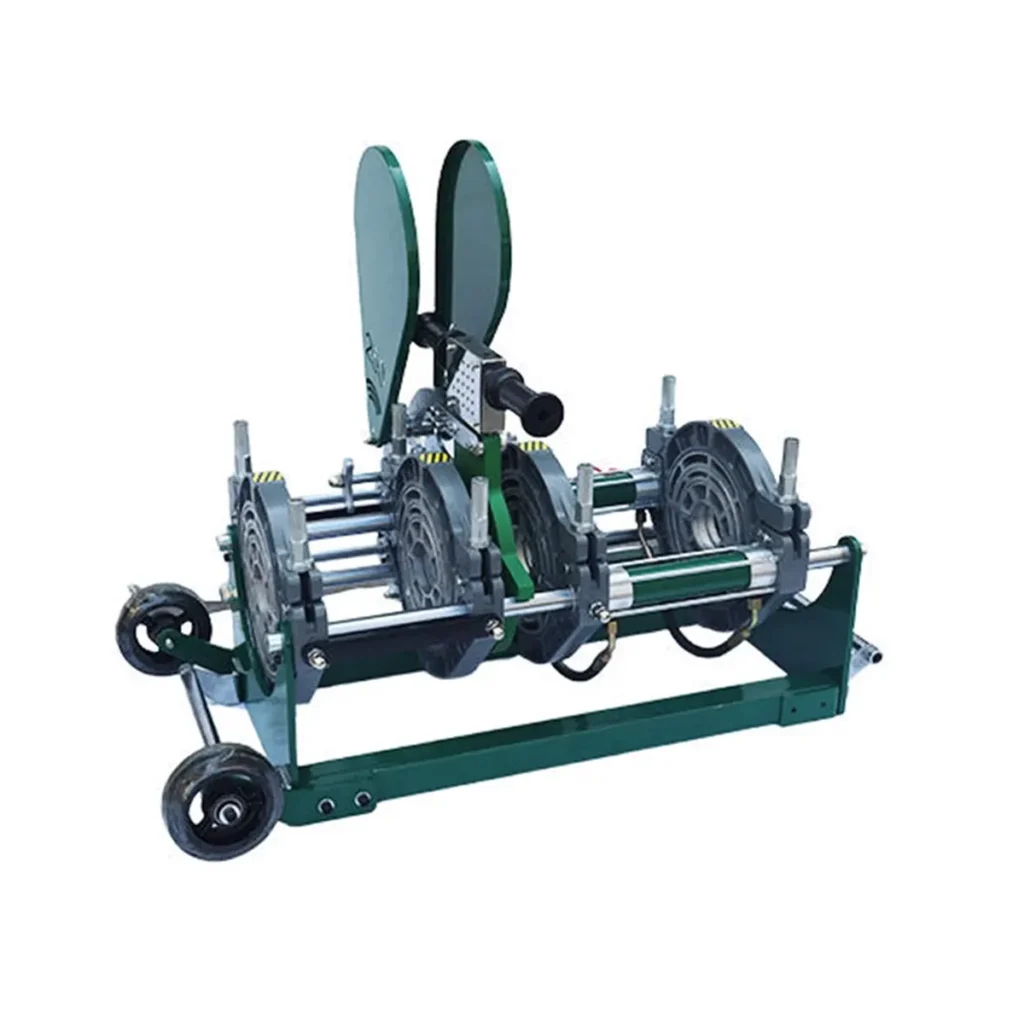
Choosing the right pipe fusion welding machine is a critical decision for contractors, utility teams, and project managers who need reliable, leak-free joints for HDPE and other thermoplastic pipelines. This guide helps you evaluate options—from manual units to fully automatic CNC butt fusion systems—so you can match equipment capability to job demands, budget, and long-term productivity goals.
Understand the Main Types of Pipe Fusion Welding Machines
The three primary categories are manual (bench) butt fusion, hydraulic butt fusion, and automatic/CNC butt fusion machines. Each serves different project scales and operator skill levels.
Manual Butt Fusion
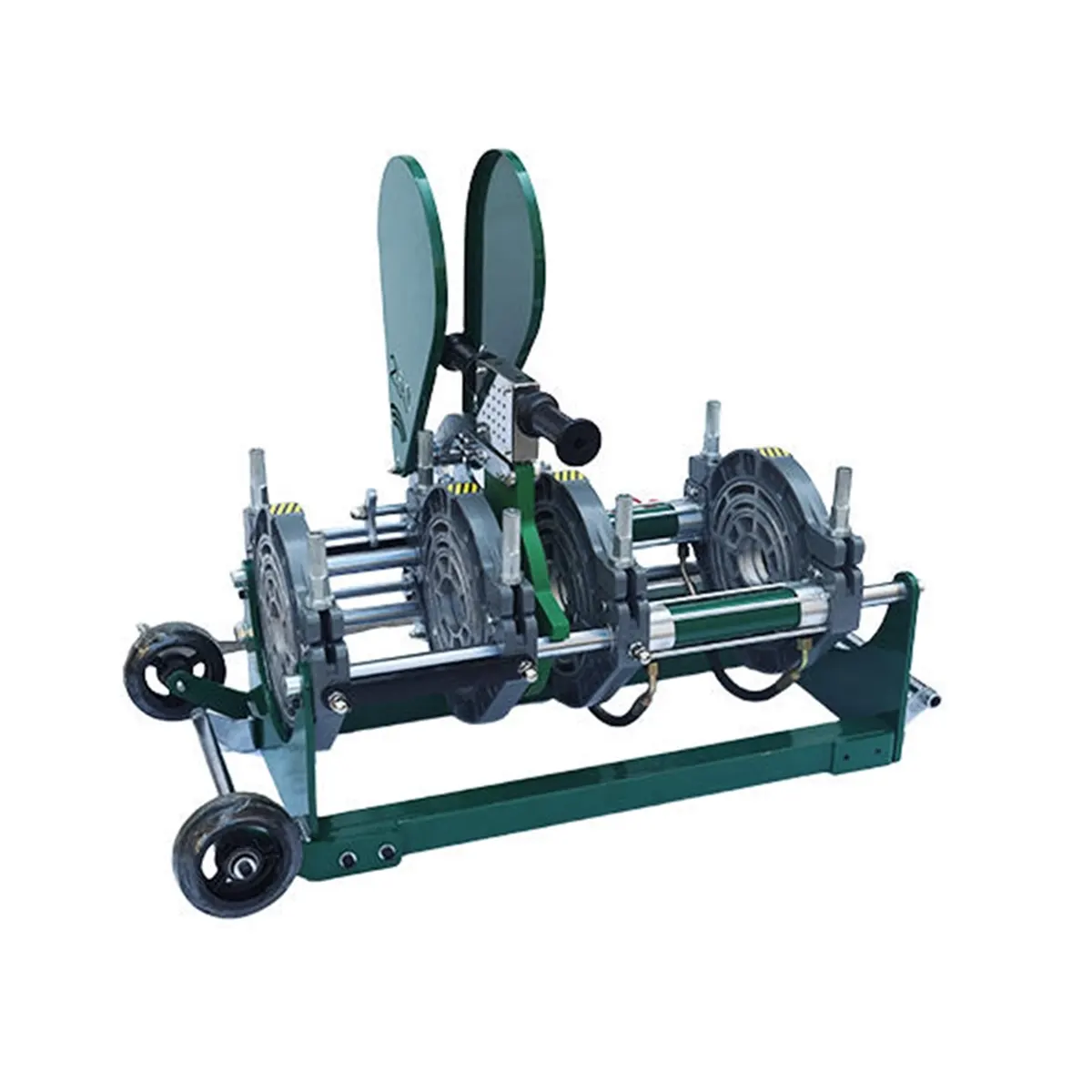
Best for small-scale repairs and occasional site work. Manual machines are lightweight, portable, and cost-effective. They require skilled operators to control alignment, heating time, and pressure.
Hydraulic Butt Fusion
Hydraulic units are ideal for medium-to-large diameter pipelines and frequent field use. They provide consistent clamping force, easier alignment, and better control for larger-diameter HDPE pipes.
Automatic & CNC Butt Fusion
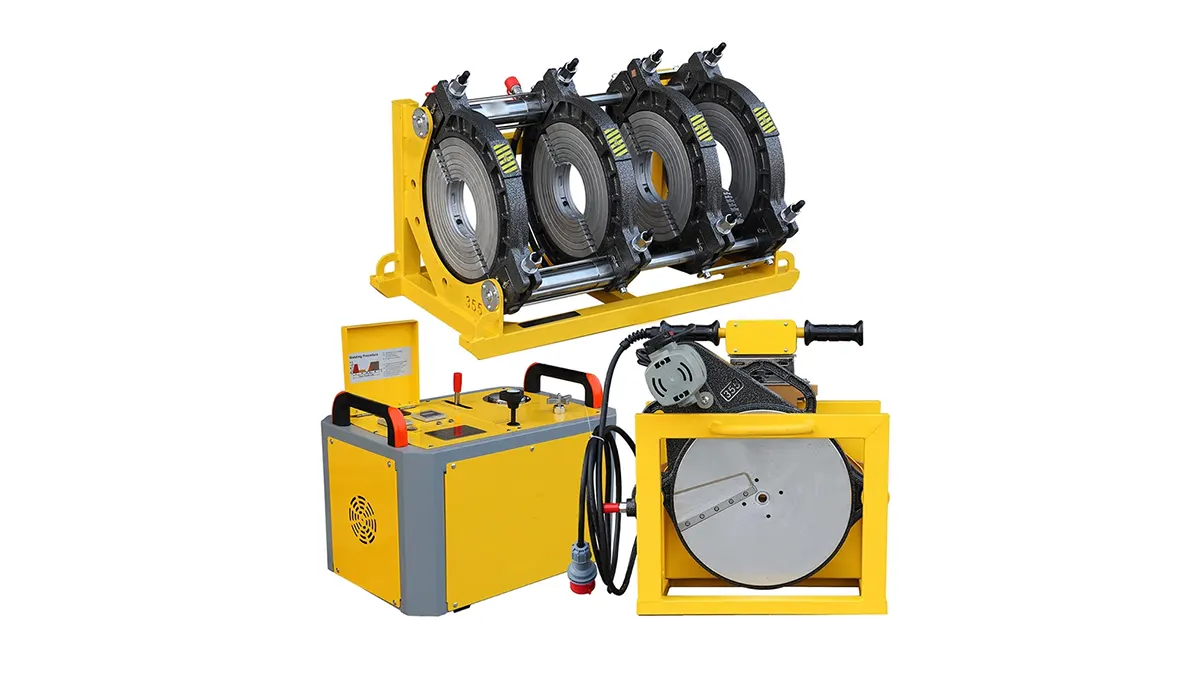
Automatic machines reduce operator variability and improve repeatability for high-volume production or critical infrastructure projects. CNC systems automate heating, joining, and cooling parameters with digital controls and traceable welding logs.
Key Selection Criteria: What to Evaluate
- Pipe diameter range: Match the machine to the minimum and maximum pipe sizes you will weld.
- Portability vs. productivity: Smaller manual units win on mobility; hydraulic and automatic machines win on throughput.
- Operator skill and training: Automatic systems lower the skill threshold and improve weld consistency.
- Power and field conditions: Consider hydraulic power packs, battery/AC options, and ruggedness for remote sites.
- Traceability & compliance: For municipal or gas projects, digital welding records and temperature/pressure monitoring are often required.
Quick Comparison Table
| Machine Type | Best For | Diameter Range | Primary Advantage | Consideration |
|---|---|---|---|---|
| Manual Butt Fusion | Small jobs, repairs | 16–315 mm | Low cost, portable | Operator-dependent |
| Hydraulic Butt Fusion | Medium to large projects | 63–1000+ mm | Consistent force, durable | Heavier, needs power source |
| Automatic/CNC Butt Fusion | High-volume, critical pipelines | 32–1600+ mm | Repeatable welds, data logging | Higher initial cost |
On-Site Considerations and Best Practices
Site planning affects machine choice: trench width, access, power availability, and ambient temperature all influence fusion quality. Always condition materials and follow heating/cooling charts for the polymer grade. For remote worksites, prioritize machines with simple maintenance and available spare parts.
Operator Training and Quality Control
Investing in operator training yields big savings in rework and downtime. Automatic welding machines with digital controls can help enforce process parameters and store weld reports for QA audits.
Maintenance, Spare Parts & Support
Look for machines with readily available consumables (heating plates, scrapers, clamps) and a service network that can ship parts quickly. Regular maintenance of hydraulic systems, guide rails, and heating elements ensures consistent weld cycles and extends equipment life.
Return on Investment (ROI)
Calculate ROI by comparing machine throughput, expected project volume, labor costs, and error rates. In many cases, an automatic machine reduces total project cost through faster cycle times and fewer failed welds—especially on large-scale municipal or industrial jobs.
How to Move Forward
If you need a reliable partner for butt fusion solutions, consider checking model specifications, on-site demos, and warranty coverage. For specific product ranges and technical support, visit JQ-Fusion at https://jq-fusionwelding.com/.



