
HDPE butt fusion machines are specialized welding systems designed to join high-density polyethylene (HDPE) pipes by heating and fusing their ends together. This proven thermoplastic joining method creates strong, leak-free, homogeneous pipeline connections ideal for water supply, gas distribution, mining and industrial applications.
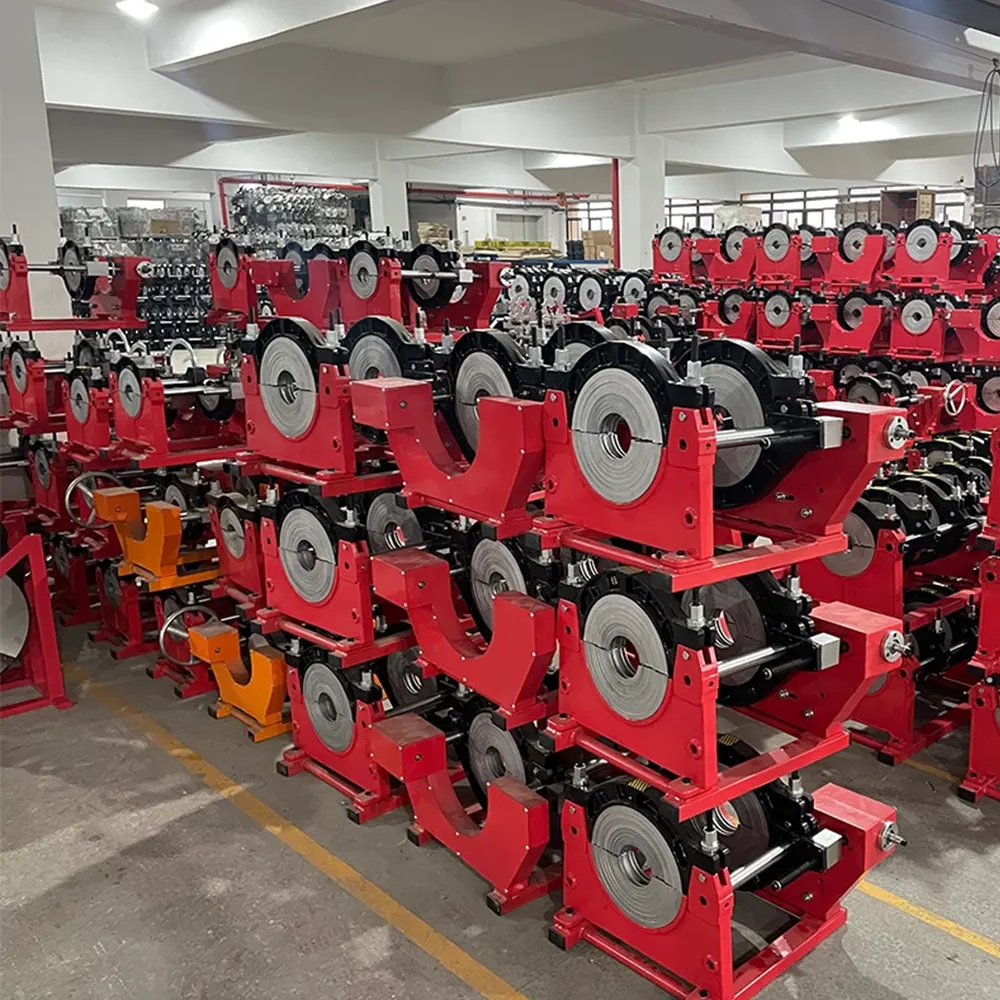
How an HDPE Butt Fusion Machine Works
Butt fusion welding involves aligning pipe ends in a clamp, facing (trimming) the ends to remove imperfections, heating the pipe ends with a calibrated heater plate, and then bringing them together under controlled pressure until they cool and form a continuous fused joint. The process relies on controlled temperature, pressure and time to ensure a repeatable, high-strength weld.
Main Welding Phases
1. Preparation: Clean, clamp and align pipe ends precisely.
2. Facing: Use a facing tool to trim and square the pipe ends.
3. Heating: Insert a heated plate between the ends; maintain temperature and heating time.
4. Fusion: Remove heater and apply fusion pressure until cooling is adequate.
Types of Butt Fusion Machines (Quick Comparison)
| Machine Type | Best For | Key Advantage |
|---|---|---|
| Manual Butt Fusion | Small to medium jobs, remote sites | Portable and cost-effective |
| Hydraulic Butt Fusion | Larger diameter pipes / heavier work | Stable pressure control, higher capacity |
| CNC / Automatic Butt Fusion | High-volume production, long pipelines | Precision, data logging, reduced operator error |
Applications and Industry Use
HDPE butt fusion is widely used where long-term leak-free performance is required. Typical applications include potable water transmission, municipal sewer systems, gas distribution networks, industrial chemical pipelines and trenchless installations. The technique is favored for corrosion resistance, flexibility and joint integrity.
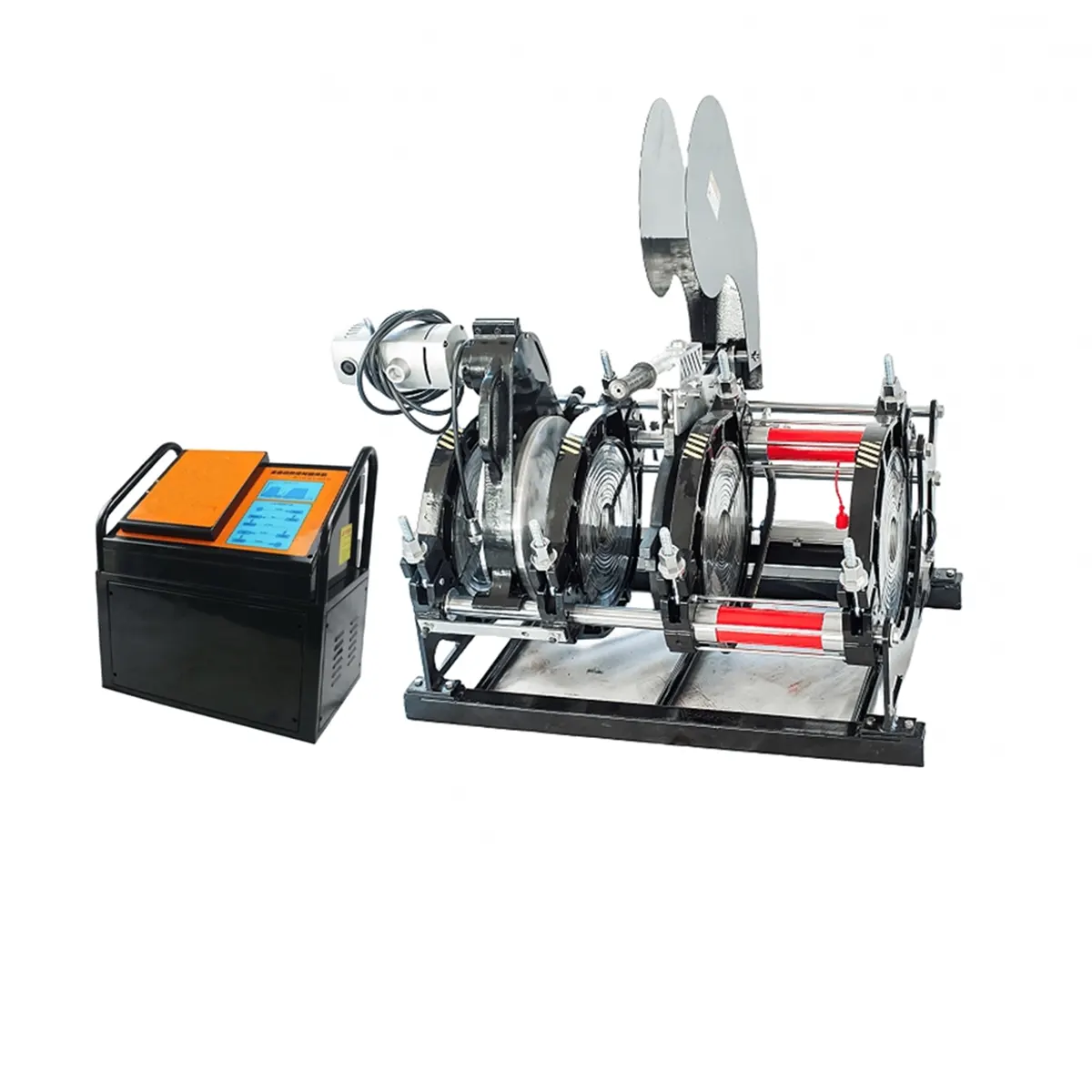
Key Components of a Butt Fusion Machine
Clamping / Fixture System: Holds pipes aligned and resists movement under pressure.
Facing/Trimming Tool: Produces square, clean ends for optimal fusion surfaces.
Heater Plate: Precisely controls temperature during the heating phase.
Hydraulic or Mechanical Pressure Unit: Applies fusion pressure and controls cooling forces.
Control Unit (for automatic machines): Manages time, temperature, pressure and logs weld data.
Choosing the Right Machine for Your Project
Consider pipe diameter range, job frequency, site conditions and required traceability. Manual units suit occasional repairs and smaller jobs; hydraulic machines handle heavier pipes and rough sites; CNC/automatic systems deliver consistency and data records for quality-critical projects.
Typical Welding Steps (Practical Checklist)
• Inspect pipe ends and remove dirt or damage.
• Secure pipe ends in clamps; check alignment and gap settings.
• Face both pipe ends until smooth and square.
• Position heater plate; monitor temperature and heating time.
• Peel heater plate and immediately bring ends together under prescribed pressure.
• Hold under pressure through cooling; document the weld parameters if required.
Maintenance, Safety and Best Practices
Regular maintenance of clamps, hydraulics and heater plates keeps machine accuracy high. Verify calibration of temperature sensors and facing tools. Follow PPE and site safety rules: secure pipes, keep heater surfaces guarded, and ensure trained operators perform critical steps. For long-term reliability, store heater plates flat and protected from damage.
For professional HDPE butt fusion machines and tailored solutions, consider manufacturers that specialize in a wide range of manual, hydraulic and automatic systems. JQ-Fusion offers a comprehensive product line and global support to meet diverse pipeline project needs: https://jq-fusionwelding.com/



