
Brazil’s booming infrastructure and expanding pipelines require reliable butt welding solutions that perform across tropical climates, remote construction sites, and urban utility projects. JQ-Fusion (https://jq-fusionwelding.com/) supplies a range of manual, hydraulic, and automatic HDPE butt fusion machines engineered for demanding water, gas, mining and industrial applications in Brazil.
Why Butt Fusion Welding Matters for Brazilian Projects
Butt fusion welding creates continuous, leak-free joints in HDPE piping—essential for long-term performance in Brazil’s municipal water networks, gas distribution systems, irrigation projects in the Cerrado, and slurry pipelines in mining operations. The technique offers high strength, corrosion resistance, and flexibility, helping projects meet lifecycle expectations despite temperature swings and aggressive soil conditions.
Common Applications Across Brazil
-
Urban and municipal works: potable water mains, sewage networks, stormwater systems.
-
Gas distribution: safe, pressure-rated joints for low- and medium-pressure networks.
-
Agriculture & irrigation: resilient connections for long irrigation runs in semi-arid and tropical zones.
-
Mining & industry: abrasion- and chemical-resistant pipelines for slurry and process fluids.
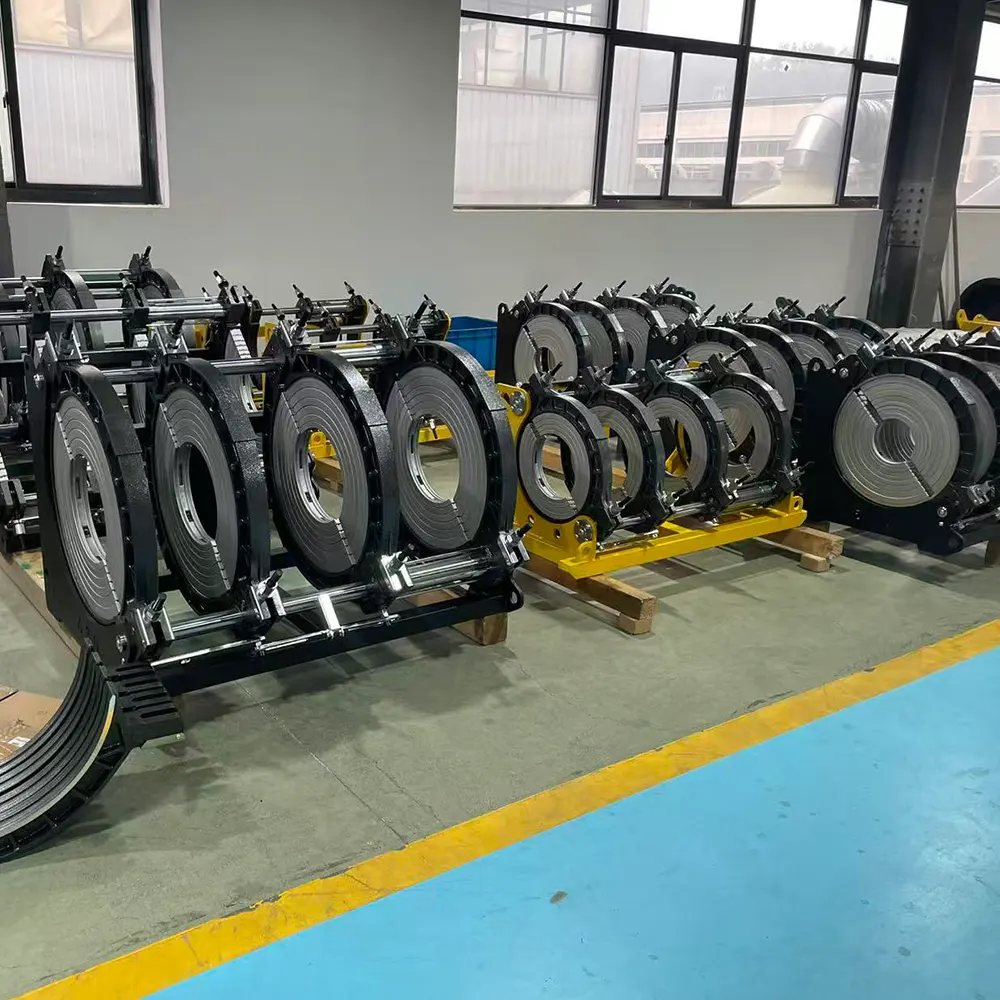
Key Butt Welder Types for Brazilian Contractors
Selecting the right machine depends on pipe diameter, project location, and crew capabilities. Below are the typical types used in Brazil:
-
Manual machines — Ideal for small-diameter pipes and maintenance teams. Lightweight and portable for tight urban streets and remote farms.
-
Hydraulic machines — Used for medium to large diameters and heavy-duty construction sites. They provide consistent pressure control in long pipeline projects.
-
Automatic CNC units — Best for high-volume, precision welding where traceable welding records and repeatable cycles are required, such as large municipal or industrial installations.
Machine Selection Checklist
When evaluating machines for Brazil, consider pipe size range, site power availability, portability, climate resilience, and on-site service support. Durability under heat and humidity and ease of operation for local crews are key decision factors.
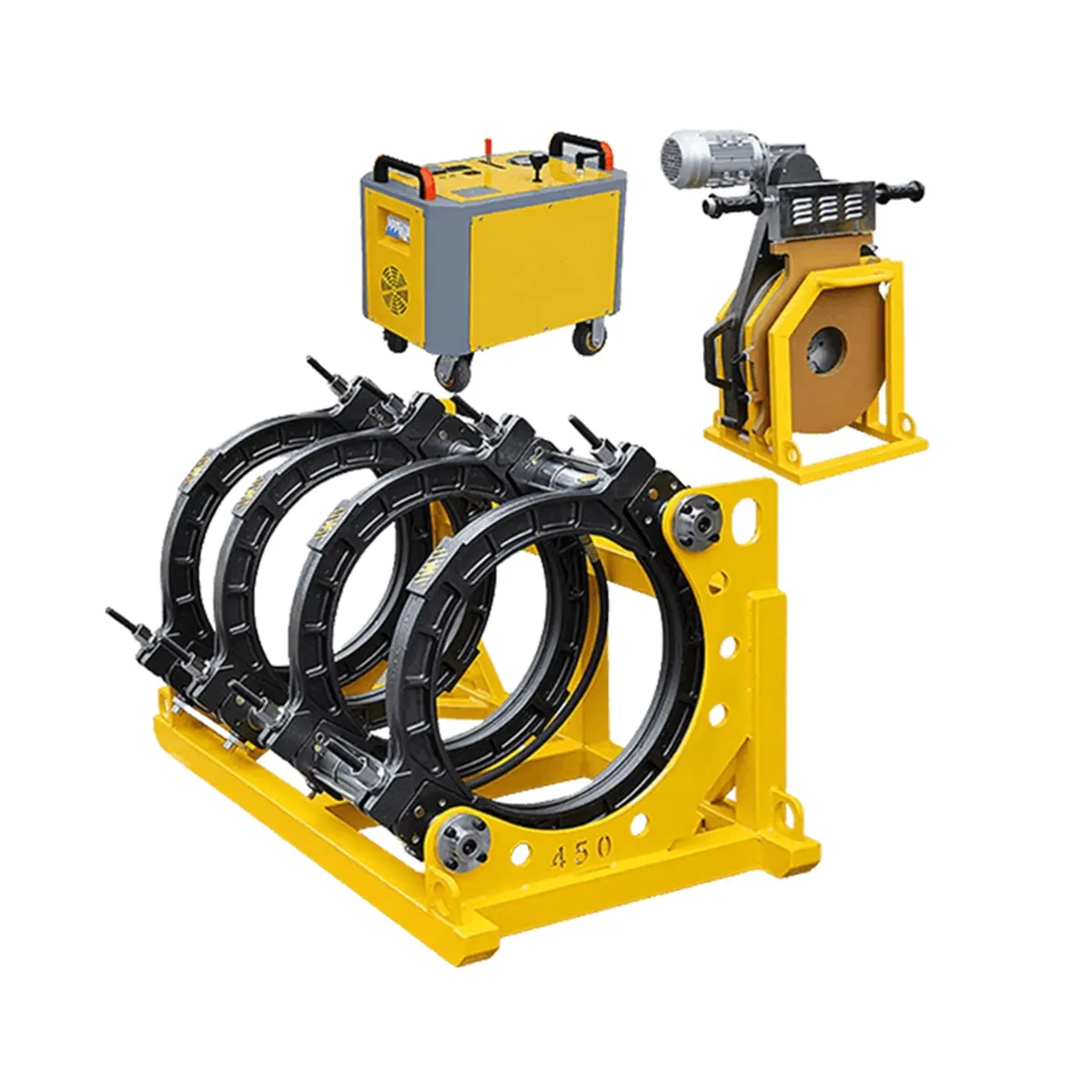
Technical Snapshot — Typical Butt Welder Models
| Model | Pipe Range (mm) | Operation | Ideal Use |
|---|---|---|---|
| Manual Compact | 20–315 | Manual | Maintenance, small works |
| Hydraulic Mid-Range | 160–630 | Hydraulic | Municipal & industrial sites |
| Automatic CNC | 63–1250+ | Automatic | Large-diameter, high-precision projects |
Training, Certification & Local Standards
Brazilian contractors benefit from operator training focused on correct heating, alignment, and cooling cycles to ensure joint integrity. Align welding procedures with relevant local standards (such as ABNT guidelines) and client specifications. Investing in operator certification and quality records reduces rework risks and helps secure long-term project reliability.
Maintenance Tips for Brazil’s Environment
-
Protect electrical and control units from humidity and salt corrosion in coastal areas.
-
Keep heating plates clean and calibrated; tropical dust and soil can affect temperature uniformity.
-
Schedule preventive checks before peak construction seasons to avoid downtime on remote sites.
How to Choose a Supplier
Look for a manufacturer that offers robust spare parts availability, remote technical support, and machine options that match Brazil’s varied project scales—from city utilities to Amazon basin installations. Prioritize suppliers that provide clear documentation, training materials, and export-ready packaging for logistics across Brazil’s regions.
Next Steps for Brazilian Buyers
If you are planning a pipeline project or upgrading your fleet of welding machines, evaluate equipment performance on real-site conditions, request welding procedure specifications, and confirm after-sales support for rapid parts delivery and technical assistance. Reliable butt fusion equipment reduces long-term maintenance costs and improves network uptime across Brazil’s diverse environments.



