
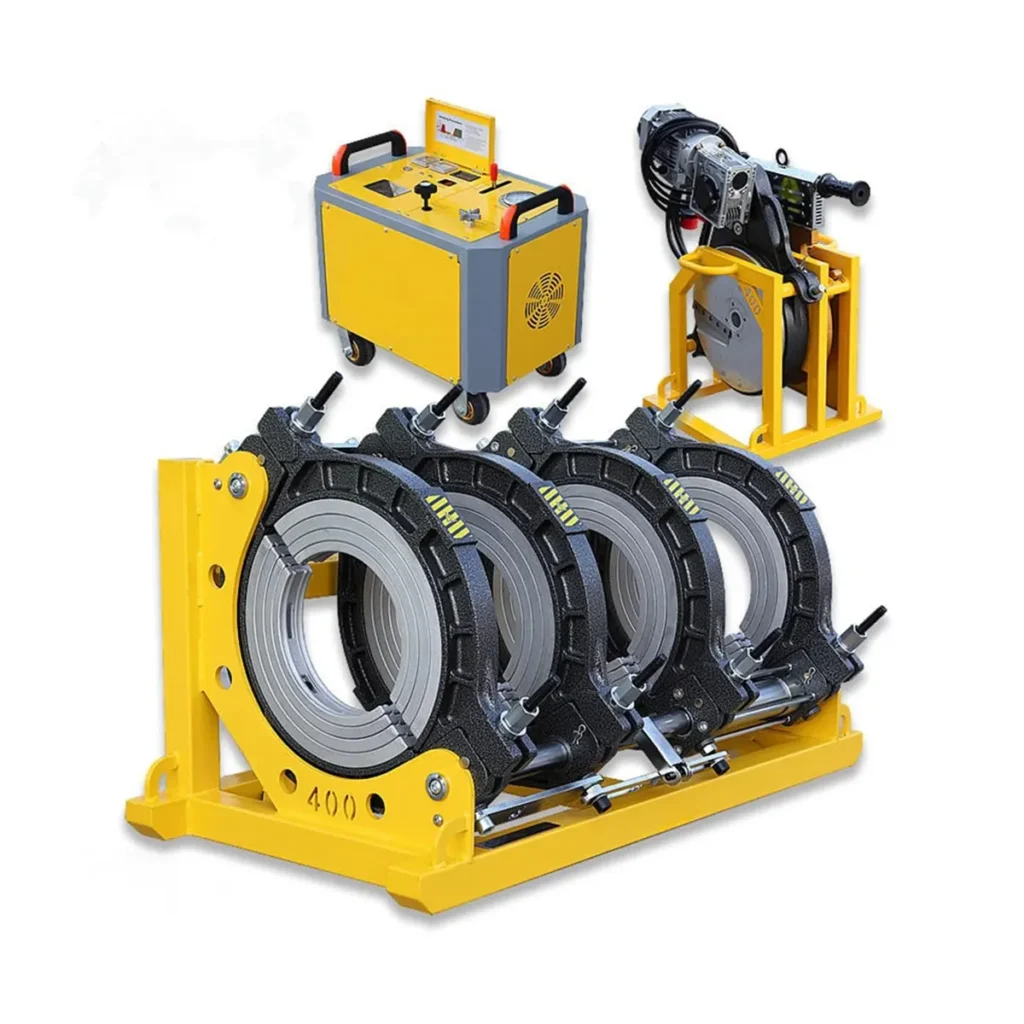
Choosing the right plastic pipe welding machine starts with understanding the technical specifications that affect weld quality, productivity, and long-term reliability. This guide walks you through the key parameters — from pipe diameter ranges and heating plate types to control systems and duty cycles — so you can match equipment to your project’s needs.
Why Machine Specifications Matter
Specifications determine whether a machine can handle the pipe materials, diameters, and environmental conditions of your job. A mismatch can lead to weak joints, rework, and higher lifecycle costs. For contractors, utilities, and infrastructure teams, clarity on spec details is essential for procurement and on-site performance.
Key Parameters Explained
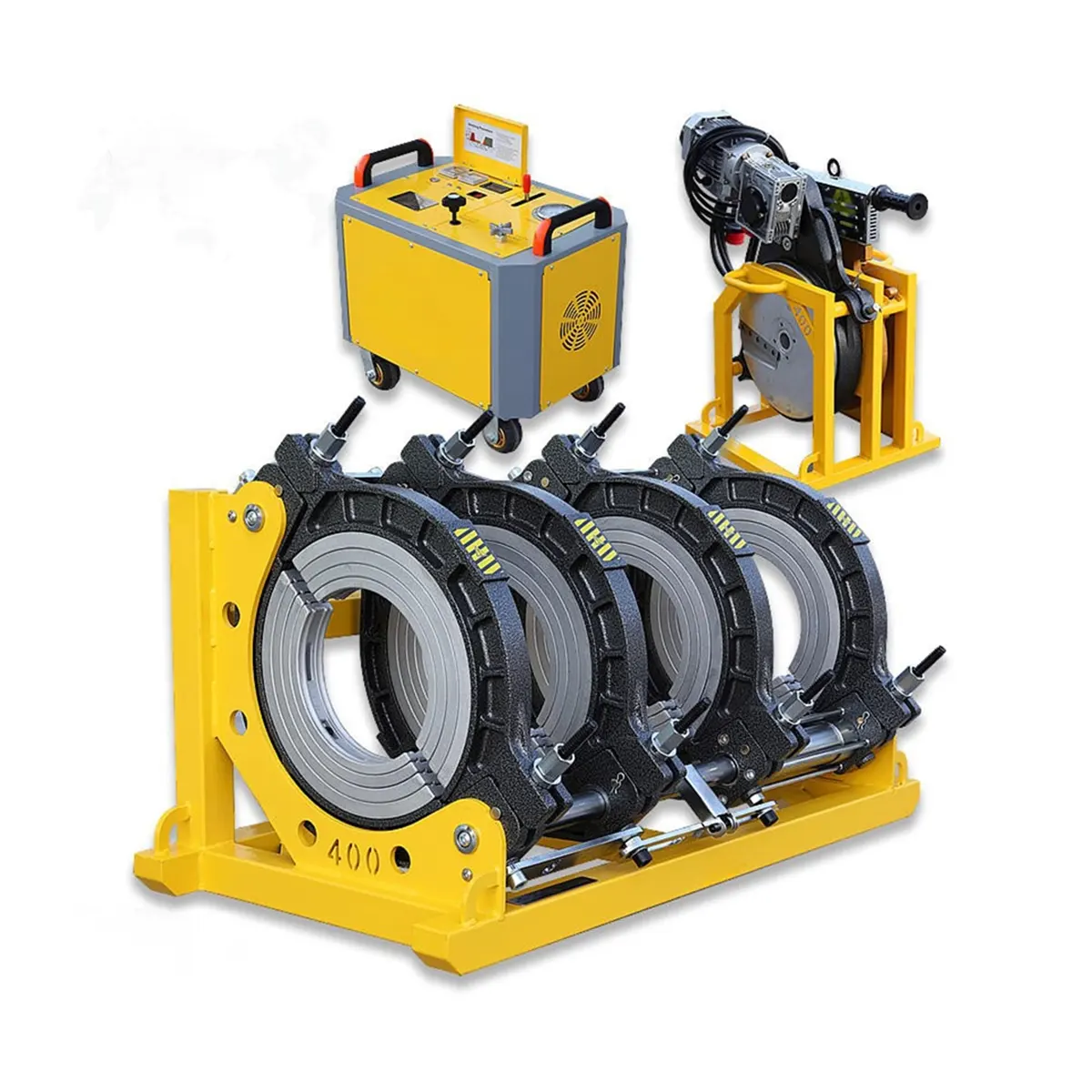
Pipe Diameter Range: The minimum and maximum diameter a machine can weld, often expressed in mm (e.g., 20mm–2250mm). Choose a machine with some headroom beyond your largest expected pipe size.
Machine Type & Control: Manual, hydraulic, or CNC/automatic. Automatic machines improve repeatability and data logging, while manual units offer portability and lower cost for small projects.
Heating Plate / Heater Size: Plate diameter and quality affect melt uniformity. High-grade PTFE-coated heaters and precise temperature control reduce sticking and improve fusion consistency.
Clamping & Alignment System: Number of clamps, clamping force, and alignment precision (axial and angular). Better alignment reduces joint stress and improves long-term pipeline integrity.
Pressure Capacity & Drive System: Hydraulic vs. mechanical drives determine the available fusion force and speed. Hydraulic systems commonly provide smoother, higher-pressure control for large-diameter pipes.
Temperature Control & Accuracy: Controller resolution (°C) and stability — crucial for consistent fusion across different ambient conditions and pipe materials like HDPE, MDPE, and PP.
Fusion Time & Cycle Rate: The programable heating, soak, and cooling times determine throughput. Automatic machines with preset programs accelerate repetitive work.
Power Requirements: Voltage, phase, and power consumption. Verify site power availability; some large hydraulic or automatic machines require three-phase supply.
Portability & Weight: Transport considerations (skid/frame weight, detachable components) matter for remote or confined jobsites.
Data Logging & Traceability: Built-in printers or digital logs for weld parameters and QC records are critical for regulated projects and long-term maintenance.
Standards Compliance: Compatibility with ISO, ASTM, or regional fusion standards ensures acceptance by inspection authorities and utilities.
Typical Specifications Table
| Parameter | Typical Range / Value |
|---|---|
| Pipe Diameter | 20 mm – 2250 mm (model dependent) |
| Control Type | Manual / Hydraulic / CNC Automatic |
| Heating Plate | PTFE-coated, various diameters; thermostatic control ±1°C |
| Clamping Stations | 2–6 stations; hydraulic/aluminum clamps |
| Hydraulic Pressure / Force | Up to 60 kN (varies by model) |
| Power Supply | 220–480V, single/three-phase options |
| Weight | From ~40 kg (small manual) to >2000 kg (large hydraulic frames) |
| Accuracy | Axial alignment ±0.5 mm typical (model dependent) |
| Standards | ISO 21307, ASTM F2620, regional codes |
Choosing for Specific Use Cases
Municipal waterworks: Prioritize machines with precise temperature control, data logging, and compliance with local standards for potable water networks.
Gas distribution: Look for machines with rugged hydraulic systems, certified traceability, and extra alignment accuracy to meet safety regulations.
Mining and industrial pipelines: Favor heavy-duty hydraulic frames and higher clamping forces for large-diameter HDPE lines and abrasive environments.
Operational Tips to Match Specs to On-Site Conditions
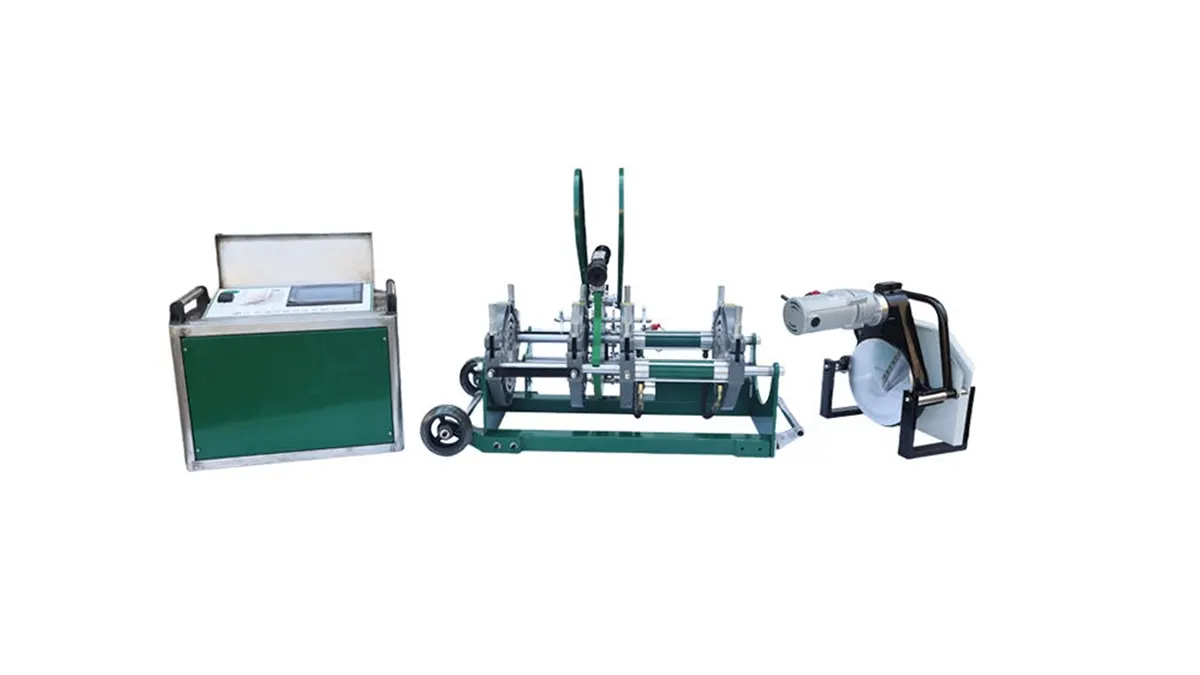
Verify site power and transport logistics against the machine’s weight and dimensions. For remote jobsites, choose lower-weight manual or modular hydraulic units. For high-volume production, select automatic systems with programmable recipes and data export.
Always match heater size to pipe OD and material. Use OEM heating plates and replace worn PTFE surfaces promptly to maintain consistent fusion.
Maintenance & Quality Assurance
Regular calibration of temperature sensors, inspection of clamping surfaces, and hydraulic oil checks extend machine life and ensure consistent weld quality. Keep a log of maintenance activities and test welds after major transport or repairs.
Where to Source Reliable Equipment
For reliable butt fusion equipment and global support, consider manufacturers with broad model ranges and proven QC processes. JQ-Fusion offers manual, hydraulic, and CNC automatic butt fusion welding machines suitable for water, gas, mining, and industrial pipelines. Visit their product pages for detailed model comparisons and factory specifications: JQ-Fusion.



