
In Saudi Arabia’s rapidly expanding infrastructure sector, poly fusion machines (commonly called HDPE butt fusion machines) are essential for joining polyethylene pipes used in water networks, gas distribution, irrigation, and industrial piping. This guide explains what a poly fusion machine is, how it works on-site in Saudi conditions, and how to choose and maintain one for reliable, long-lasting pipeline installations.
What Is a Poly Fusion Machine?
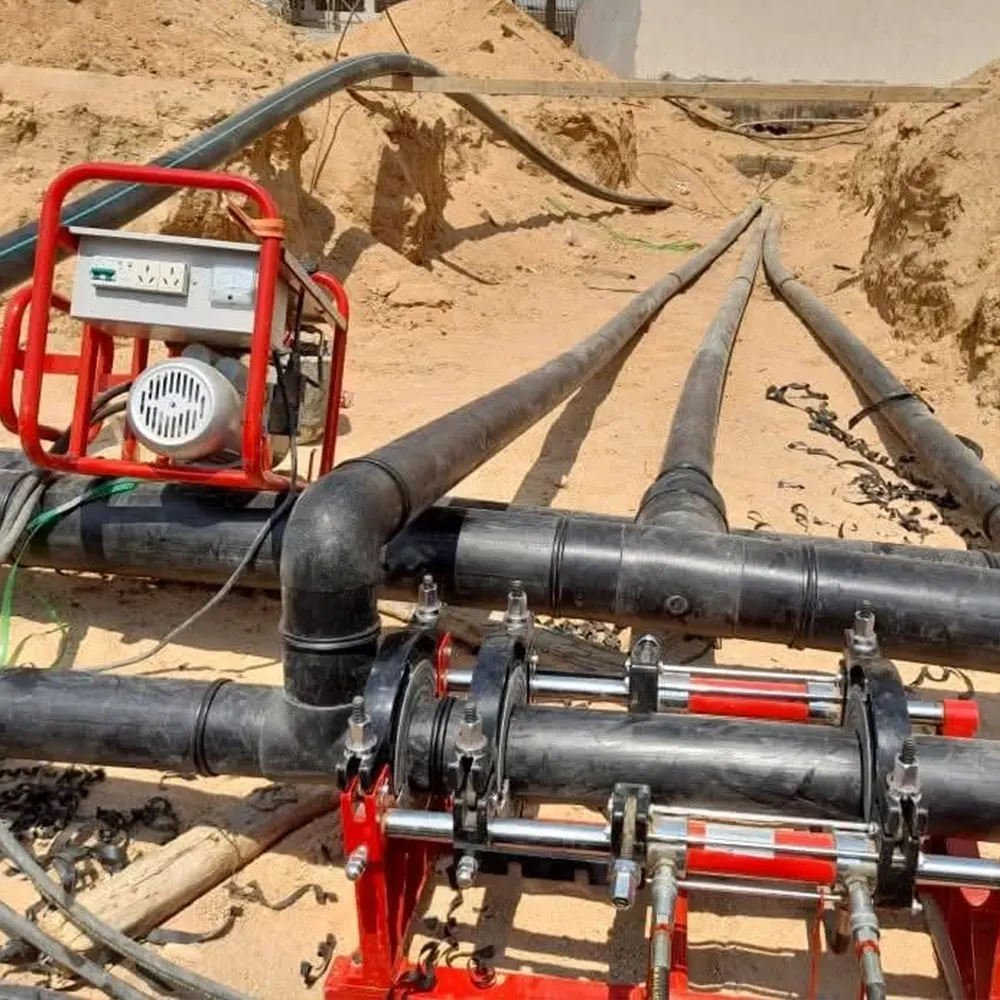
A poly fusion machine is specialized equipment designed to join high-density polyethylene (HDPE) pipes by heating and fusing their ends to create a homogeneous, leak-free connection. These machines range from compact manual frames to large hydraulic and CNC-controlled automatic units for heavy civil and industrial projects. In Saudi Arabia, they are widely used for potable water lines, agricultural irrigation systems, sewer networks, and medium-pressure gas distribution.
Common Types
– Manual butt fusion machines: Lightweight, portable, best for small-diameter pipes and remote desert sites.
– Hydraulic butt fusion machines: Provide strong, consistent pressure for medium to large diameters—ideal for municipal and industrial Saudi projects.
– Automatic/CNC fusion machines: Precision-controlled cycles, digital parameters, suitable for long production runs and critical pipelines like desalination plant feed lines.
How a Poly Fusion Machine Works — Step by Step
The butt fusion process follows a controlled sequence to ensure a high-quality joint. Typical steps include:
1. Preparation and Alignment
The pipe ends are cleaned, cut square, and clamped in the machine’s saddle or clamps. Proper alignment is crucial to avoid weak joints, especially on long runs in hot Saudi climates where thermal expansion can affect setup.
2. Facing (Trimming)
A facing tool removes a thin layer from each pipe end to create flat, parallel surfaces. Accurate facing guarantees uniform heat penetration during fusion.
3. Heating
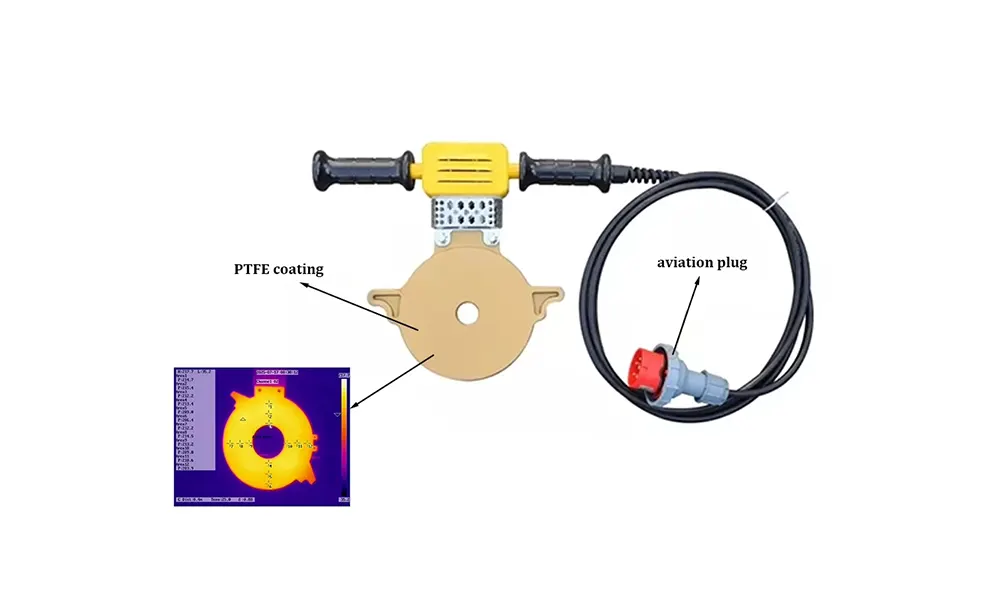
A heated plate or element is placed between the pipe ends to soften the polymer. Typical temperature for HDPE butt fusion is around 200°C, but settings vary by material grade and ambient conditions—important to adjust for high daytime temperatures in Saudi locations.
4. Consolidation (Joining)
Once softened, the heater is removed and the pipe ends are pressed together under controlled pressure. This pressure is held for a specified cooling time so the molten polymers interdiffuse and form a uniform joint.
5. Cooling and Inspection
After cooling, clamps are released and the joint is visually inspected and, if needed, non-destructive tests are performed to ensure integrity. In Saudi Arabia’s strict municipal and industrial projects, documentation of fusion parameters is often required for quality assurance.
Key Specifications to Consider (Saudi Arabia)
| Model / Type | Pipe Range (mm) | Pressure System | Automation |
|---|---|---|---|
| Manual Frame | 20–160 | Mechanical | Manual |
| Hydraulic Unit | 160–1000 | Hydraulic Pump | Semi-automatic |
| CNC Automatic | 63–1250+ | Hydraulic / Electric | Full automation with data logging |
Benefits for Saudi Projects
– Durable, leak-free joints that reduce maintenance in hot arid climates.
– Corrosion-free HDPE suited for saline environments near coasts and desalination plants.
– Rapid installation for large-scale irrigation and municipal networks, supporting Vision 2030 infrastructure growth.
– Reduced excavation and repair costs thanks to long-lasting fusion joints.
Site Considerations in Saudi Arabia
Working in Saudi Arabia means planning for extreme temperatures, sand/dust, and remote logistics. Choose machines with sealed hydraulic systems, reliable heaters, and easy-to-clean components. Night or early-morning fusion sessions can minimize thermal distortion and improve facing accuracy on long pipe strings.
Maintenance and Quality Tips
– Keep heater plates clean and scratch-free; damaged plates cause poor heat transfer.
– Calibrate temperature controllers and pressure gauges regularly.
– Store and transport machines with proper covers to prevent sand ingress.
– Train operators on fusion codes and parameter logging for traceable quality records.
Safety
Always follow PPE guidelines, allow adequate cooling time before handling joints, and secure pipes firmly to avoid slippage during heating. In gas projects apply additional gas-safety protocols and leak testing after fusion.
Selecting a Supplier
For consistent supply and technical support in Saudi Arabia, select manufacturers with experience in HDPE butt fusion technology and international project delivery. JQ-Fusion offers a range of manual, hydraulic, and CNC automatic butt fusion machines designed for global infrastructure needs and provides customizable solutions, spare parts, and service support.
Final Note
Choosing the right poly fusion machine and following proper fusion procedures ensures durable, high-performance pipelines that meet Saudi Arabia’s infrastructure demands. Proper training, routine maintenance, and climate-aware planning are the keys to successful HDPE fusion installations.



