
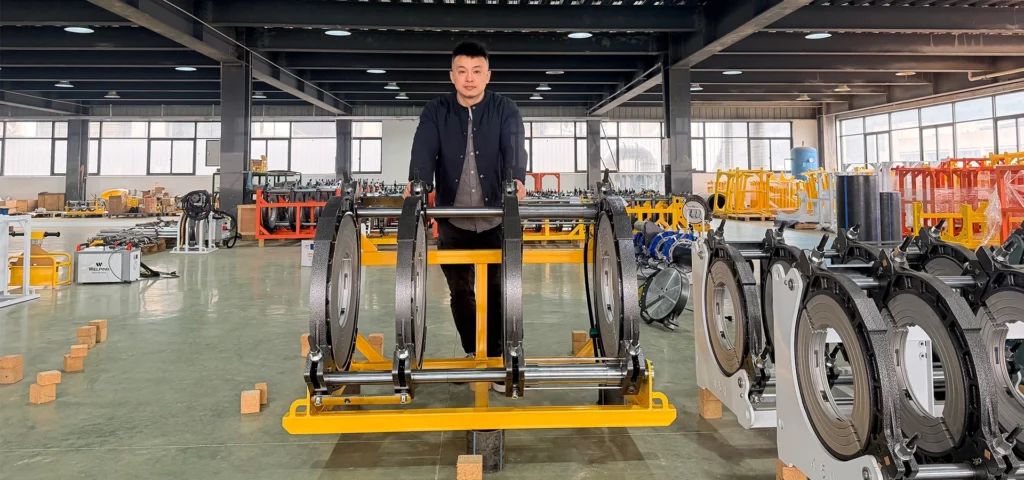
Polyethylene (PE) welding machines—commonly called butt fusion welders—are the backbone of modern HDPE pipeline installation. They join thermoplastic pipes by heating and fusing the pipe ends together to form a continuous, leak-free joint. This article explains the working principle, key components, distinguishing features, and practical tips for choosing and operating these machines.
How Polyethylene Butt Fusion Welding Works
The butt fusion process is a controlled thermal welding technique that produces strong, homogeneous joints. The general workflow includes preparation, alignment, heating, fusion, and cooling. Each stage must be executed precisely to meet industry standards and ensure reliable pipeline performance.
Step 1: Pipe Preparation and Facing
Operators first clean the pipe ends and use a facing tool to trim them square and parallel. Proper facing removes oxidized material and creates smooth, matching surfaces for fusion.
Step 2: Alignment and Clamping
Pipes are clamped in the welding machine’s holders to maintain axial alignment and gap settings. Uniform pressure is required across the circumference to prevent defects and ensure even heat distribution.
Step 3: Heating
A heated plate (heating platen) at a controlled temperature is placed between the pipe ends. The plate softens the PE surfaces until a uniform melt layer forms. Temperature and contact time are critical variables.
Step 4: Fusion and Pressure Application
The heating plate is removed and the softened pipe ends are pressed together under specified fusion pressure. The molten polymer layers intermingle and consolidate into a single, continuous molecular bond.
Step 5: Controlled Cooling
Joint cooling occurs under maintained pressure until the material solidifies. Controlled cooling avoids shrinkage and residual stress, producing a joint with strength comparable to the base material.
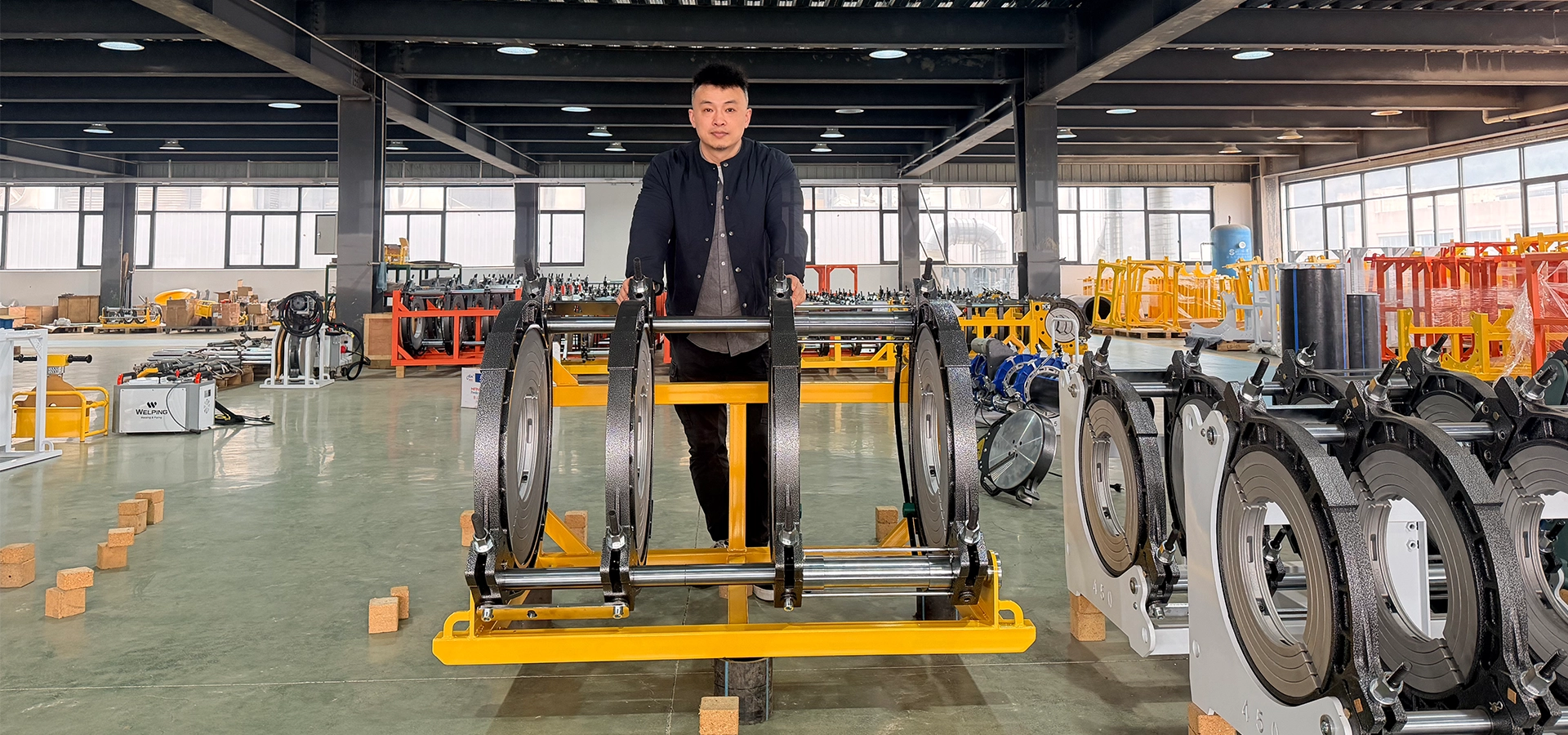
Key Components of a Butt Fusion Machine
Modern butt fusion systems combine mechanical precision with hydraulic or electric actuation. Typical components include a rigid frame and clamps, a hydraulic or screw-driven carriage, a facing/trimming tool, a temperature-controlled heating platen, and a pressure control unit. Advanced models add CNC control, data logging, and automatic cycle controls for repeatable, high-volume work.
Types & Typical Applications
Machines vary by automation level and pipe diameter capability:
Manual units suit small-diameter or low-volume jobs. Hydraulic machines offer strong clamping and consistent pressure for medium to large pipes. Automatic/CNC systems are ideal for high-precision, large-diameter pipelines in municipal water, gas distribution, mining, and industrial systems.
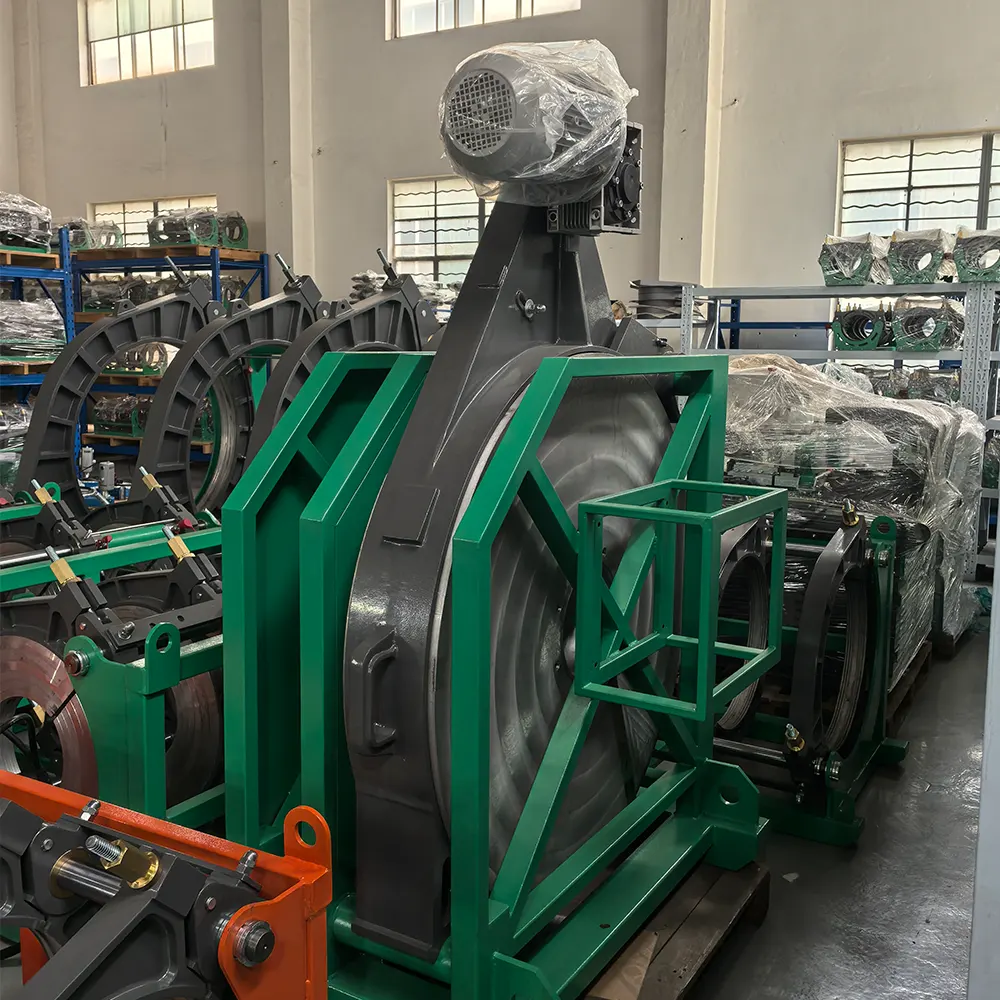
Performance Comparison Table
| Machine Type | Best For | Key Benefit |
|---|---|---|
| Manual Butt Fusion | Small diameter, field repairs | Simple, portable, cost-effective |
| Hydraulic Butt Fusion | Medium to large pipelines | Stable pressure, high repeatability |
| Automatic / CNC | Large-diameter, high-volume projects | Precision control, data logging |
Key Features to Look For
When specifying a machine, consider frame rigidity, clamp design, platen heating uniformity, pressure control range, and alignment accuracy. Safety features and ease of transport are important for field work. Advanced features like digital temperature control, automatic cycle management, and traceable welding records boost quality assurance.
Quality & Service
Choose equipment from a reputable manufacturer that provides calibration support, spare parts, and training. JQ-Fusion supplies a wide range of butt fusion machines with global application experience and responsive service to support infrastructure projects.
Operation Tips & Maintenance
Always verify heater temperature with a calibrated sensor, keep facing knives sharp, and follow recommended fusion pressure and cooling times. Routine maintenance includes hydraulic oil checks, platen surface care, and inspection of clamps and alignment guides. Proper training and documented weld procedures minimize rework and ensure pipeline longevity.
Why Proper Welding Matters
Correct butt fusion welding ensures a joint with near-parent material strength, essential for long-term integrity under pressure and environmental stress. Well-executed fusion reduces leak risk and lowers lifecycle costs compared to mechanical fittings.
Final Selection Checklist
Confirm pipe size range, automation level, field portability, available power source, and after-sales support before purchase. For large projects, prioritize machines with data logging and automated control for consistent weld quality.
Ready to Learn More?
For detailed specifications, model comparisons, and project consultation, visit the manufacturer’s website or contact their technical team for tailored recommendations.



