
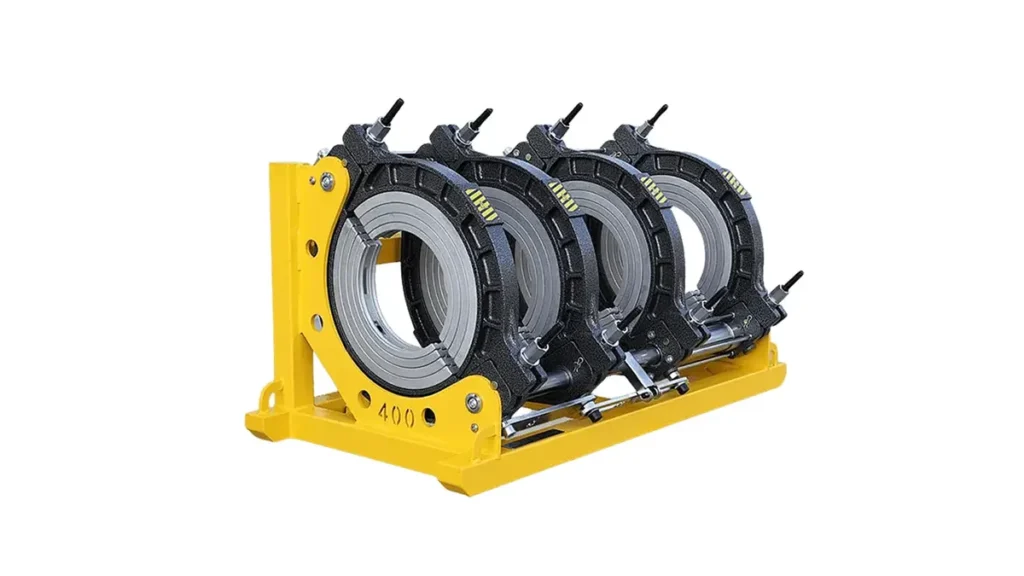
Choosing the right pipe welding machine means balancing performance, reliability, and cost. Whether you are a contractor installing water mains, a municipal utility expanding gas networks, or an industrial maintenance team, understanding price drivers and what features matter will help you make a smart purchase that saves time and reduces rework.
Why Pipe Welding Machine Prices Vary
Several factors influence the price of a butt fusion or electrofusion welding machine. Materials, automation level, power units, and build quality all play a role. Expect price differences based on:
- Automation level: Manual units are the most affordable; hydraulic and CNC models cost more.
- Pipe diameter range: Machines that handle large-diameter HDPE pipes are heavier and pricier.
- Accessories: Trimmers, heaters, alignment frames, and transport cases add to the total cost.
- Control electronics: Advanced digital controllers, data logging, and sensors raise the price but improve weld consistency.
Typical Price Ranges (USD)
Below are approximate market ranges to help you budget. Prices vary by region and vendor support packages.
| Machine Type | Typical Pipe Range | Estimated Price (USD) | Best For |
|---|---|---|---|
| Manual Butt Fusion | 20–315 mm | $1,000–$4,000 | Small projects, tight budgets |
| Hydraulic Butt Fusion | 160–1600+ mm | $5,000–$40,000 | Medium to large pipelines |
| CNC Automatic Butt Fusion | 50–1000 mm | $15,000–$80,000+ | High-volume production, precision welding |
| Multi-Angle / Fitting Machines | 20–315 mm (fittings) | $8,000–$25,000 | Complex fittings, T-branches, wyes |
Comparing Manual, Hydraulic, and Automatic Machines
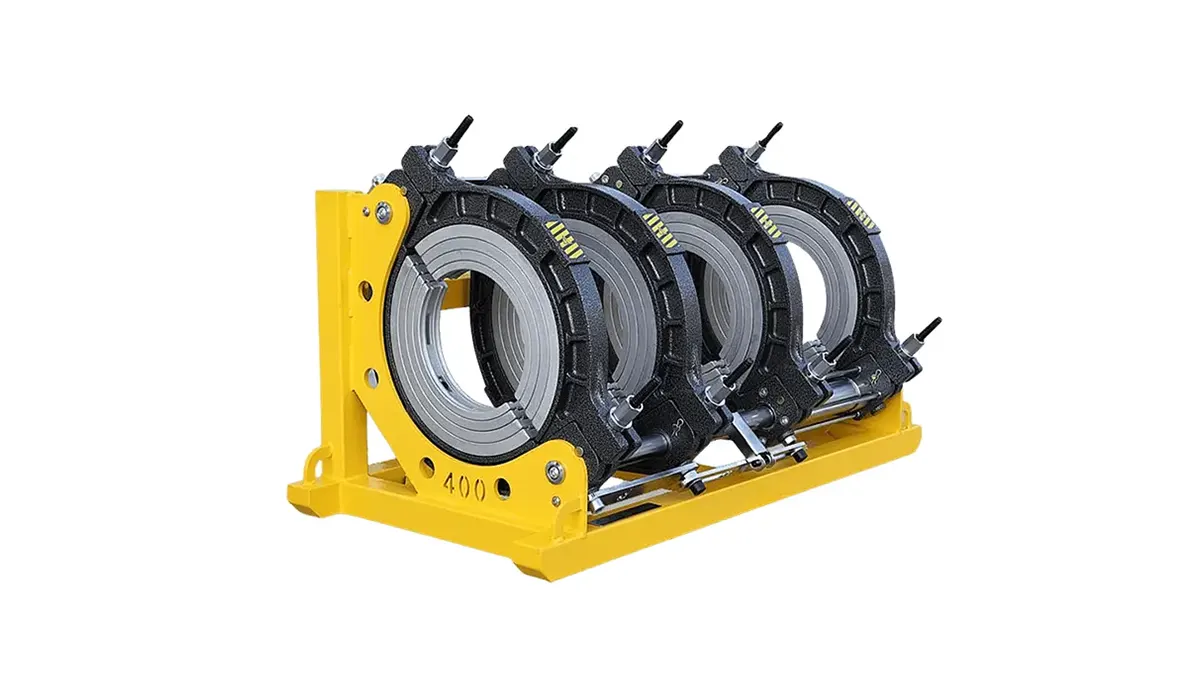
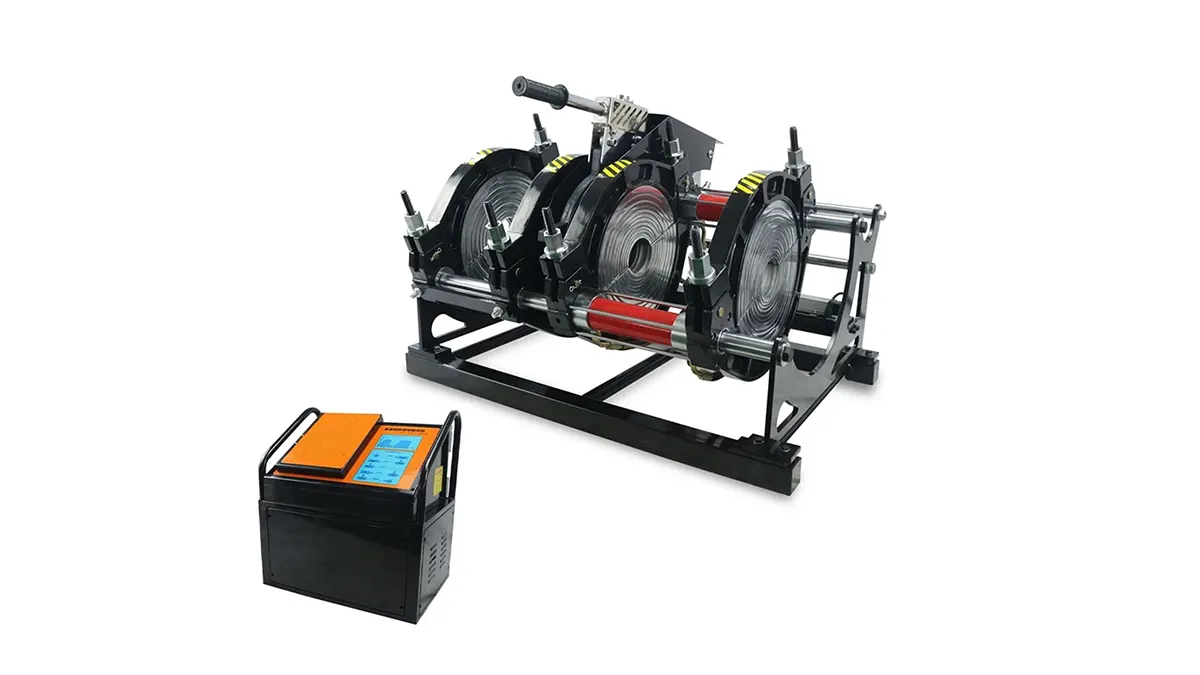
Manual machines are easy to transport and low cost, but productivity is limited. Hydraulic units provide consistent pressure for larger diameters and faster cycles. Automatic CNC machines deliver data logging, automated pressure profiles, and the lowest human error — ideal for regulated infrastructure work.
Key Features That Impact Cost and Performance
When evaluating offers, pay attention to these features:
- Heater plate quality and uniformity — affects fusion integrity.
- Clamping systems and alignment accuracy — reduces rework.
- Pressure control: analog vs. digital controllers with feedback.
- Service and spare parts availability — a crucial long-term cost factor.
Quick Selection Checklist
– Define the pipe diameter range and daily joint targets.
– Choose automation level based on crew skill and QA needs.
– Confirm warranty, training, and local support options.
– Compare total installed cost (machine + accessories + shipping + training).
Tips to Get the Best Value
Price alone can be misleading. To protect your budget and timeline:
- Bundle accessories: Buying a trimmer and heater together often reduces per-item cost.
- Ask about training: Proper operator training reduces weld failures and warranty claims.
- Check consumables lifecycle: Replacement parts like heating plates and clamps impact lifetime cost.
- Negotiate support terms: Faster spare parts lead times reduce downtime.
Return on Investment (ROI) Considerations
Higher initial investment in automation and reliable hydraulics can lower per-joint costs through faster cycle times and fewer rejects. For contractors working on municipal or gas projects where traceability is required, an automatic machine with data logging is often justified.
Maintenance and Warranty
Regular maintenance—clean heater plates, check hydraulic fluids, inspect alignment—keeps machines accurate and extends service life. Confirm the warranty scope and whether on-site repair is available in your region.
Final Decision: Balancing Price, Productivity, and Risk
Your ideal choice depends on project scale and quality requirements. For a small contractor, a robust manual or compact hydraulic unit can be the best value. For frequent, large-diameter work or projects requiring strict QA records, invest in an automatic system that reduces human error and documents every weld.
Need help selecting a model or getting a quote? Visit JQ-Fusion to explore models, specs, and support options.



