
Choosing the right plastic pipe welding machine can make or break a pipeline project. This guide breaks down common models, their advantages, and smart buying tips to help contractors, utilities, and rental companies select equipment that balances performance, portability, and cost.
Overview: Types of Plastic Pipe Welding Machines
Plastic pipe welding machines fall into three main categories: manual, hydraulic, and automatic (CNC) butt fusion machines. Each type targets a specific workflow — from small repairs and low-volume installs to high-precision, high-volume fabrication lines.
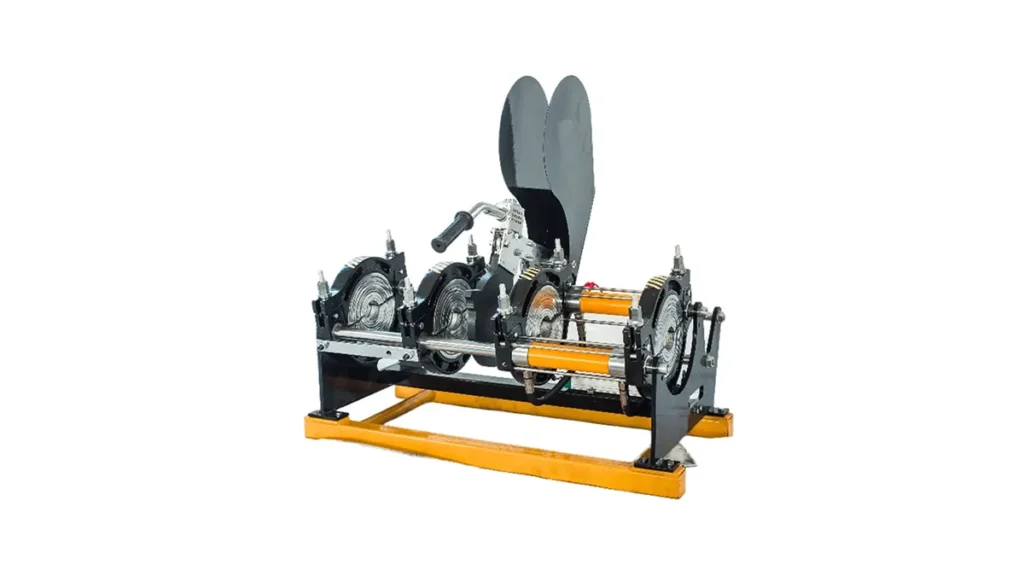
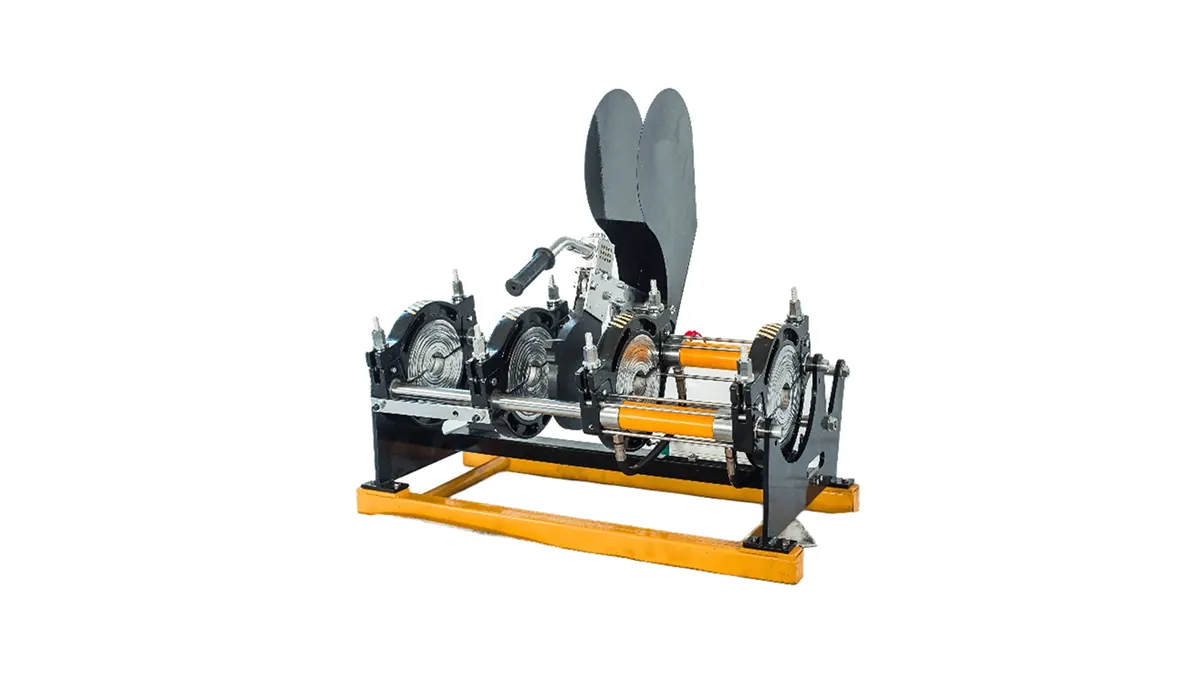
Manual Butt Fusion Machines
Manual units are lightweight, simple to operate, and ideal for on-site repairs or small-diameter pipe installations. They require more operator input during alignment, heating, and fusion but are generally the most affordable option.
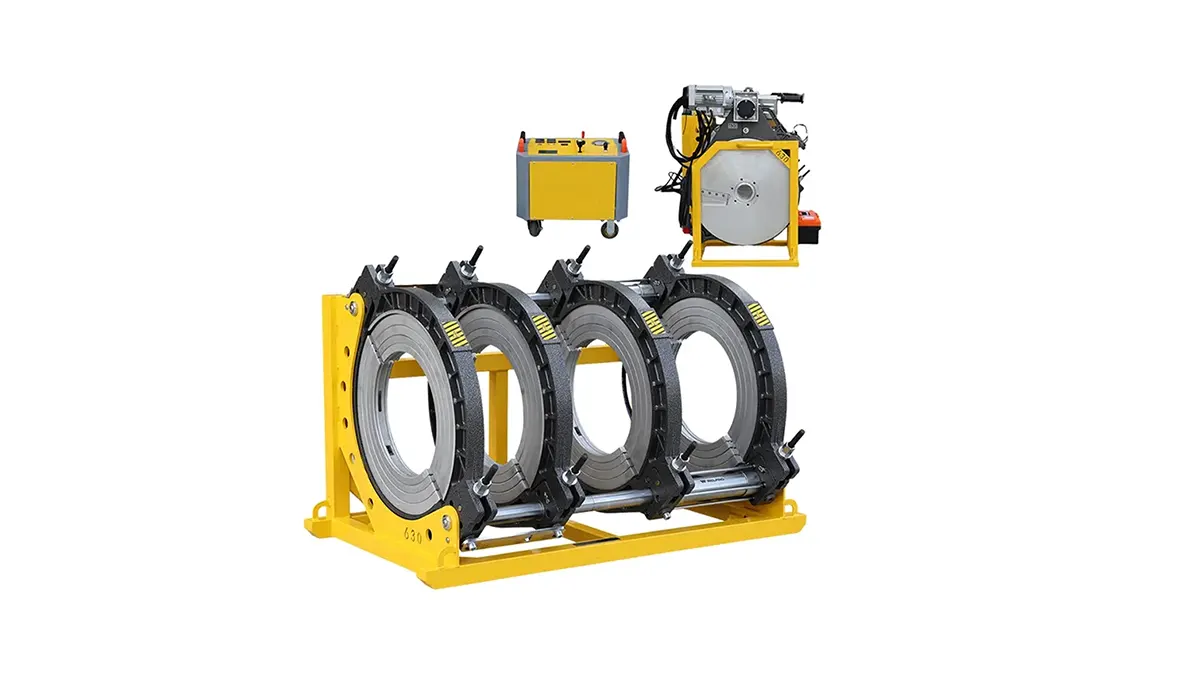
Hydraulic Butt Fusion Machines
Hydraulic machines use integrated power units to deliver consistent clamping and pressure control for medium to large diameter pipes. They reduce operator fatigue and increase repeatability for field and workshop use.
Automatic / CNC Butt Fusion Machines
CNC or fully automatic machines control the full welding cycle — alignment, heating, fusion pressure, and cooldown — using programmable parameters. They shine in production environments and critical infrastructure projects where quality documentation and repeatability are essential.
Key Features to Evaluate
When comparing models, evaluate these technical and operational features to ensure your purchase meets jobsite demands.
Clamping Range and Adapter System
Check the pipe diameter range and whether adapters or inserts are available for smaller pipes. A flexible clamp system reduces the need for multiple frames.
Heating Plate and Temperature Control
Look for uniform heating plates and accurate temperature sensors. Stable heat control helps prevent over- or under-heating, which impacts joint strength.
Pressure Control and Monitoring
Precise hydraulic or electronic pressure monitoring ensures proper fusion. Automatic machines with real-time pressure graphs provide better traceability.
Portability and Power Requirements
Field crews should prioritize compact, battery-friendly units or easy-to-transport hydraulic stations. Shop locations may prefer larger, electrically powered CNC frames.
Traceability & Data Logging
For municipal, gas, or large-scale industrial projects, weld logs and digital reports are often required. Choose machines with built-in data export or compatible welding controllers.
Popular Models & When to Use Them
Below is a quick comparison to match machine types with common use cases.
| Model | Type | Pipe Range | Key Features | Best For |
|---|---|---|---|---|
| JQST / Manual Frames | Manual | 16mm–160mm | Lightweight, portable, low cost | Repair crews, small jobs |
| JQH Series | Hydraulic | 160mm–2250mm | Stable pressure unit, modular frames | Medium to large field projects |
| JQA Series | Automatic / CNC | 63mm–1600mm | Programmable cycles, data logging | Production lines, critical infrastructure |
Buying Guide: Ask These Questions Before You Buy
Do a short requirements checklist before selecting a model.
1. What pipe sizes will you weld most often?
Match the machine’s range to your common diameters. Multi-range frames and adapters reduce long-term costs.
2. Is traceability required for your contracts?
If welding documentation is mandatory, choose automatic machines with digital logs or add compatible weld controllers.
3. How important is portability?
For remote or frequent site moves, compact manual or small hydraulic units are better. For workshops, larger hydraulic or CNC frames offer improved throughput.
4. What support and spare parts are available?
Choose a manufacturer with clear spare parts pricing and responsive technical support. Reliable after-sales reduces downtime.
Maintenance Tips to Extend Machine Life
Regular checks and a few simple habits can extend service life and improve weld quality.
- Clean heating plates after cooling to avoid contamination.
- Keep hydraulic fluids fresh and check for leaks regularly.
- Store clamps and inserts in a dry, dust-free area to preserve mating surfaces.
- Validate temperature sensors and pressure gauges periodically for accuracy.
Who Makes These Machines?
JQ-Fusion is a professional manufacturer specializing in HDPE pipe welding machines, providing manual, hydraulic, and CNC automatic butt fusion solutions for a wide range of pipe sizes used in water, gas, mining, and industrial pipeline projects.
Quick FAQ
Can the same machine handle both PE and PP pipes?
Most butt fusion machines can weld PE, HDPE, and PP with correct heating plates and parameters, but always confirm compatibility with your supplier.
How important is operator training?
Proper training dramatically improves joint consistency and safety. Consider vendor-led training when purchasing a new CNC/hydraulic unit.
Final Selection Tips
Balance initial cost with lifetime value: invest in the right level of automation and support for your project scale. For one-off repairs, manual frames are effective; for repeated, accountable installations, choose hydraulic or CNC machines with logging features.



