
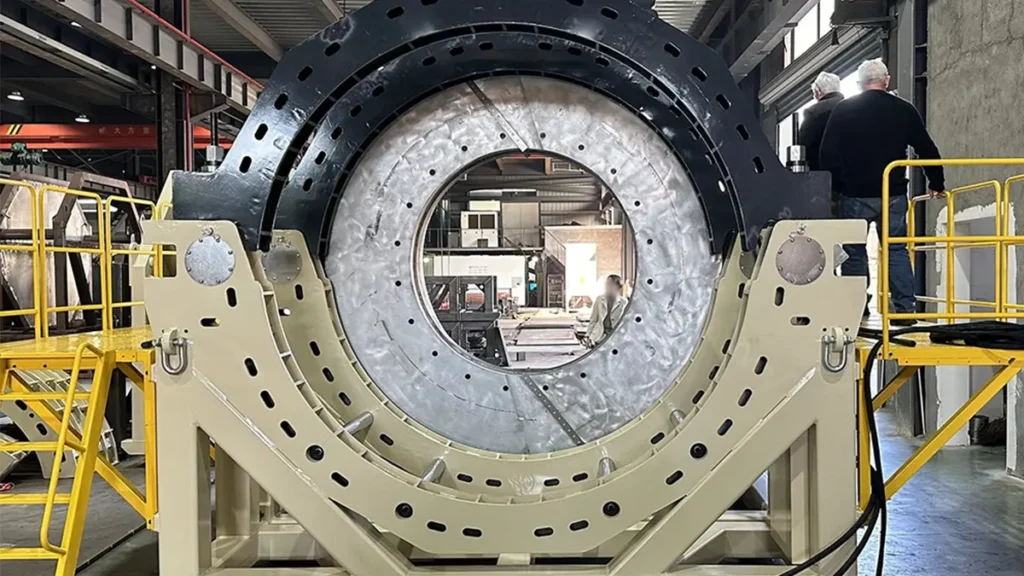
Poly pipe welding demands precision, durability, and machines built for the job. For Canadian contractors, municipal utilities, and oil & gas installers, selecting a reliable poly pipe welder manufacturer can make the difference between long-lasting infrastructure and costly rework. This guide outlines high-quality butt fusion welding solutions, trends in Canada, and how the right equipment improves safety, speed, and joint integrity.
Why Modern Butt Fusion Matters for Canada
Across Canada, from urban water mains in Toronto to remote pipeline projects in Alberta and northern communities, HDPE pipelines require robust joining methods that withstand temperature swings, frost cycles, and varying soil conditions. Butt fusion welding provides leak-free joints, excellent flexibility, and chemical resistance — essential for water supply, gas distribution, mining, and industrial piping systems in Canadian climates.
Types of Welding Machines for Canadian Projects
Choosing the right machine depends on project scale, site conditions, and operator skill. Key machine categories include:
Manual Butt Fusion Machines
Portable and cost-effective for small-diameter pipes and repair work. Ideal for service crews, municipal repairs, and contractors working in tight sites.
Hydraulic Butt Fusion Machines
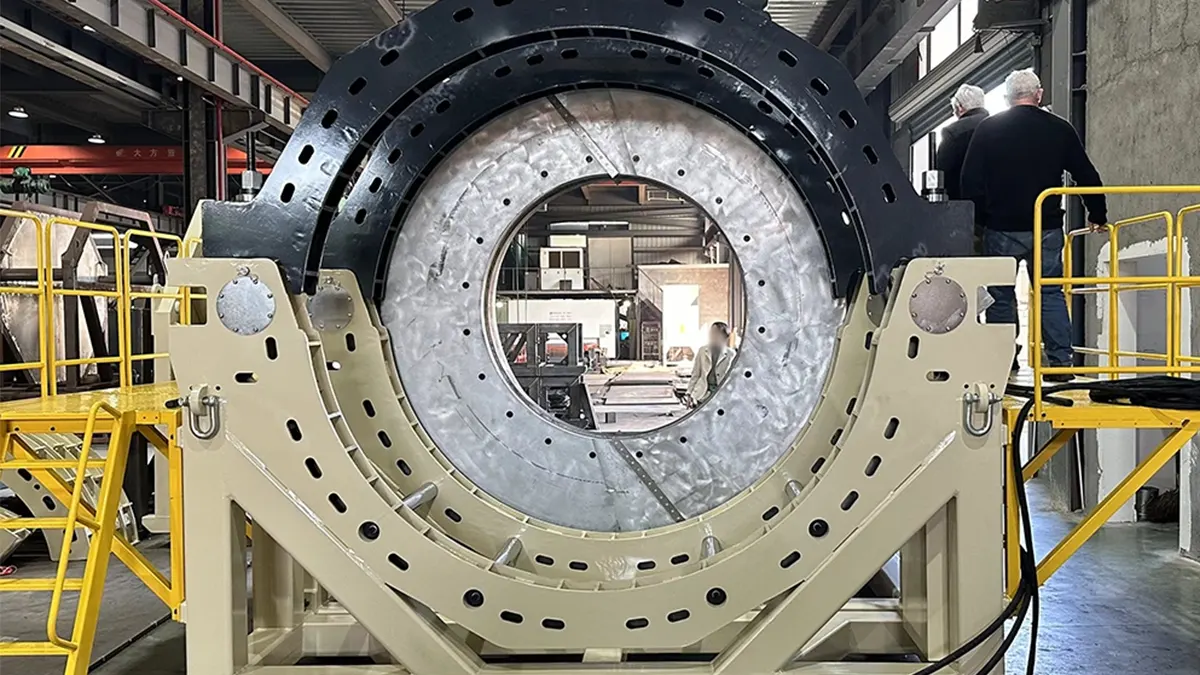
Designed for mid-to-large diameter pipes, these offer consistent hydraulic clamping and controlled pressure essential for demanding pipeline projects across Canada’s varied terrains.
Automatic / CNC Butt Fusion Machines
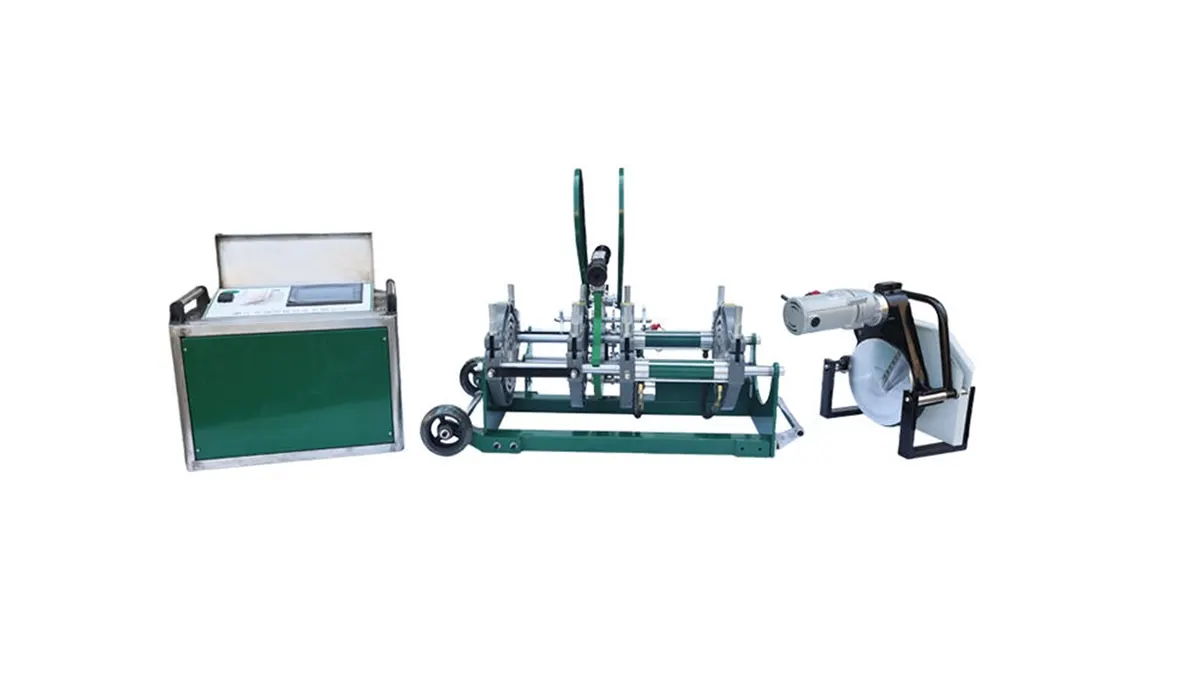
For high-volume or long-line installations, automatic machines deliver repeatable weld cycles, digital monitoring, and traceable weld records—perfect for utility contractors and EPC firms requiring compliance documentation.
Key Features to Look For
- Consistent Pressure Control: Stable clamping ensures uniform heat and fusion quality.
- Accurate Temperature & Time Controls: Critical for repeatable joints in cold weather conditions.
- Rugged Construction: Corrosion-resistant components and field-serviceable parts lower downtime on remote sites.
- Operator-Friendly Controls: Intuitive interfaces and clear weld reports help less experienced operators achieve certified welds.
Quick Comparison — Machine Types
| Model Type | Pipe Diameter Range | Automation | Best Use |
|---|---|---|---|
| Manual (JQLX / JQST series) | 16mm – 315mm | Manual | Repairs, small-diameter installs |
| Hydraulic (JQH series) | 63mm – 2250mm | Semi-automatic | Municipal & industrial pipelines |
| Automatic/CNC (JQA series) | 63mm – 1600mm+ | Fully automatic | Large projects, traceable welds |
Applications Across Canada
Typical sectors using HDPE welding include municipal water networks, natural gas distribution, mining slurries, and industrial drainage systems. In colder regions, equipment with reliable heating and temperature compensation is essential to maintain weld quality and uptime.
Support, Training & After-Sales
For Canadian buyers, local support availability, operator training, and spare parts logistics reduce delays. Look for manufacturers who provide remote support, commissioning assistance, and documented weld procedure specifications for regulatory compliance.
How to Choose the Right Supplier
Evaluate: machine durability, availability of certified training, spare parts lead times for Canada, and clear warranty terms. Verify whether the supplier can customize clamping frames, heating plates, or automation to match your project scope.
JQ-Fusion — a professional manufacturer of HDPE pipe welding machines — offers a range of manual, hydraulic, and CNC automatic butt fusion systems and global project experience. Visit https://jq-fusionwelding.com/ to learn more about models, specifications, and service options.



