
Finding a reliable HDPE pipe welding machine wholesaler in the Maldives requires equipment that suits island conditions, saltwater exposure, and the logistical realities of remote atolls. This guide helps contractors, utility managers, and resort operators choose the right butt fusion and electrofusion solutions for freshwater distribution, sewage, gas, and industrial piping projects across Maldives’ dispersed islands.
Why HDPE Welding Machines Matter for Maldives Infrastructure
HDPE piping is widely used in the Maldives because of its corrosion resistance, flexibility for shifting soils and reclaimed land, and long service life in tropical coastal environments. Choosing the right welding machine ensures secure, leak-free joints that stand up to UV exposure, saline air, and the unique demands of island logistics.
Local Challenges and Practical Considerations
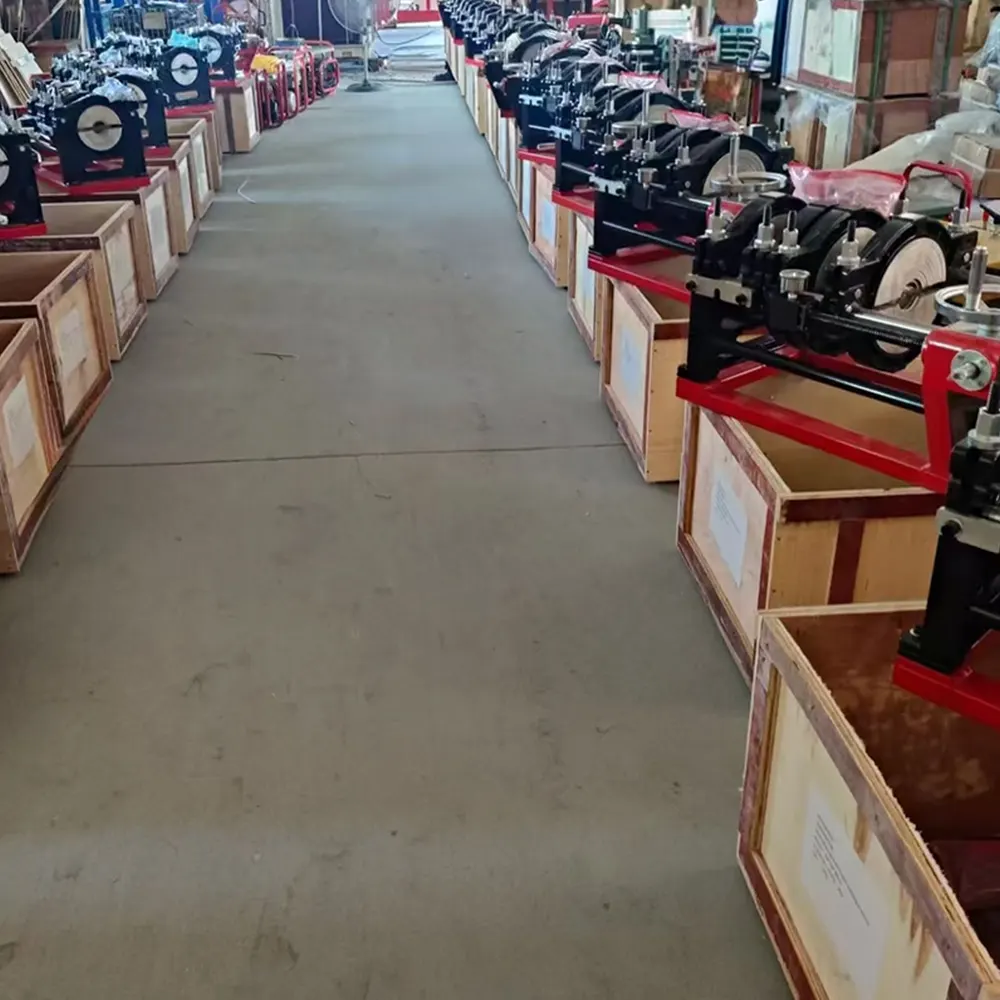
Projects in the Maldives often involve transporting equipment by boat, working in confined resort plant rooms, or welding on remote islands. Prioritize machines that are:
-
Portable and robust—easy to load onto small vessels and tolerant of humid, salty air.
-
Low-maintenance with accessible spare parts to minimize downtime across atolls.
-
Compatible with a full range of pipe diameters—from small-diameter service lines to large-diameter transfer mains.
Recommended Machine Types for Maldivian Projects
The right technology depends on project scale:
Manual & Semi-Automatic Machines
Best for small island utilities, repair crews, and resort maintenance teams. They are lightweight and ideal for pipes up to mid-size diameters.
Hydraulic & CNC Automatic Machines
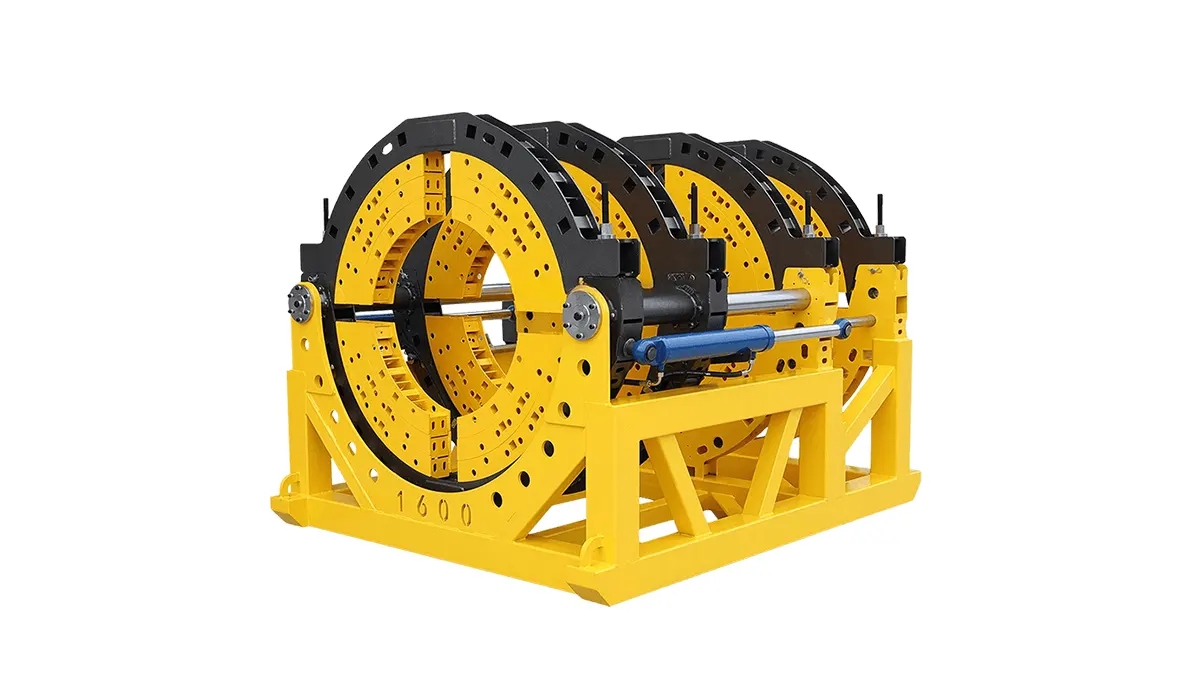
Suited for municipal water networks, desalination plant hookups, and large pipeline contractors. These systems deliver consistent pressure and controlled fusion cycles for bigger diameters and high-volume work.
Quick Comparison — Common Options
| Model Category | Typical Pipe Range | Ideal Use |
|---|---|---|
| Manual Butt Fusion | 20mm – 315mm | Resort maintenance, remote repairs |
| Hydraulic Butt Fusion | 160mm – 2000mm+ | Municipal mains, desalination connections |
| Automatic CNC Fusion | 63mm – 1200mm | High-volume pipeline contractors |
Environmental Best Practices for Island Work
To protect coral reefs and fragile shorelines during pipeline installation, contractors should minimize trenching in sensitive zones, use directional drilling where feasible, and ensure all welding operations follow strict spill-and-debris controls. Portable machines with reliable containment accessories help meet environmental safeguards while maintaining installation speed.
Maintenance & Spare Parts in Island Settings
Plan ahead: keep essential spare parts—heating plates, clamps, hydraulic seals, and sensors—on hand. Machines with modular components and clear troubleshooting guides reduce service visits and keep projects on schedule despite inter-island transit delays.
Training and On-Site Support
Operators in the Maldives benefit from concise fusion training focused on consistent heating times, correct facing and alignment, and pressure control. Investing in short, practical sessions reduces rework and extends pipeline life.
Reliable Sourcing
For wholesale supply and tailored solutions, consider direct manufacturers that can provide machines across the full range of manual, hydraulic, and automatic butt fusion equipment—along with documentation and spare-part support. JQ-Fusion: https://jq-fusionwelding.com/
Next Steps for Buyers in the Maldives
Assess project scope (diameter, length, environment), confirm transport logistics to island sites, and request machine specifications and spare-part lists before purchase. Prioritize suppliers who can advise on corrosion-resistant accessories and training for local crews to ensure long-term reliability.
Ready to equip your Maldivian project? Prepare a project brief with pipe sizes, expected working conditions, and delivery constraints to get tailored recommendations and a reliable supply plan.



