
Welding on construction sites demands precision, safety, and efficiency. Whether you’re joining HDPE pipelines, repairing a gas line, or installing drainage systems, following practical machine use tips reduces rework, downtime, and safety incidents. This guide covers essential pre-checks, on-site practices, and quick troubleshooting to keep jobs moving smoothly.
Essential Safety Practices
Before powering up any welding machine, conduct a site risk assessment and ensure all personnel wear appropriate PPE: gloves, welding helmet, flame-resistant clothing, and safety boots. Keep fire extinguishers and first aid kits accessible, and maintain a clear exclusion zone around active welds. Always verify that the work area is well-ventilated to avoid inhalation of fumes.
Important safety checks to perform every shift:
– Inspect power cables and hydraulic lines for damage.
– Confirm emergency stop and guards are functional.
– Verify that clamping systems are secure and aligned.
Machine Setup Checklist
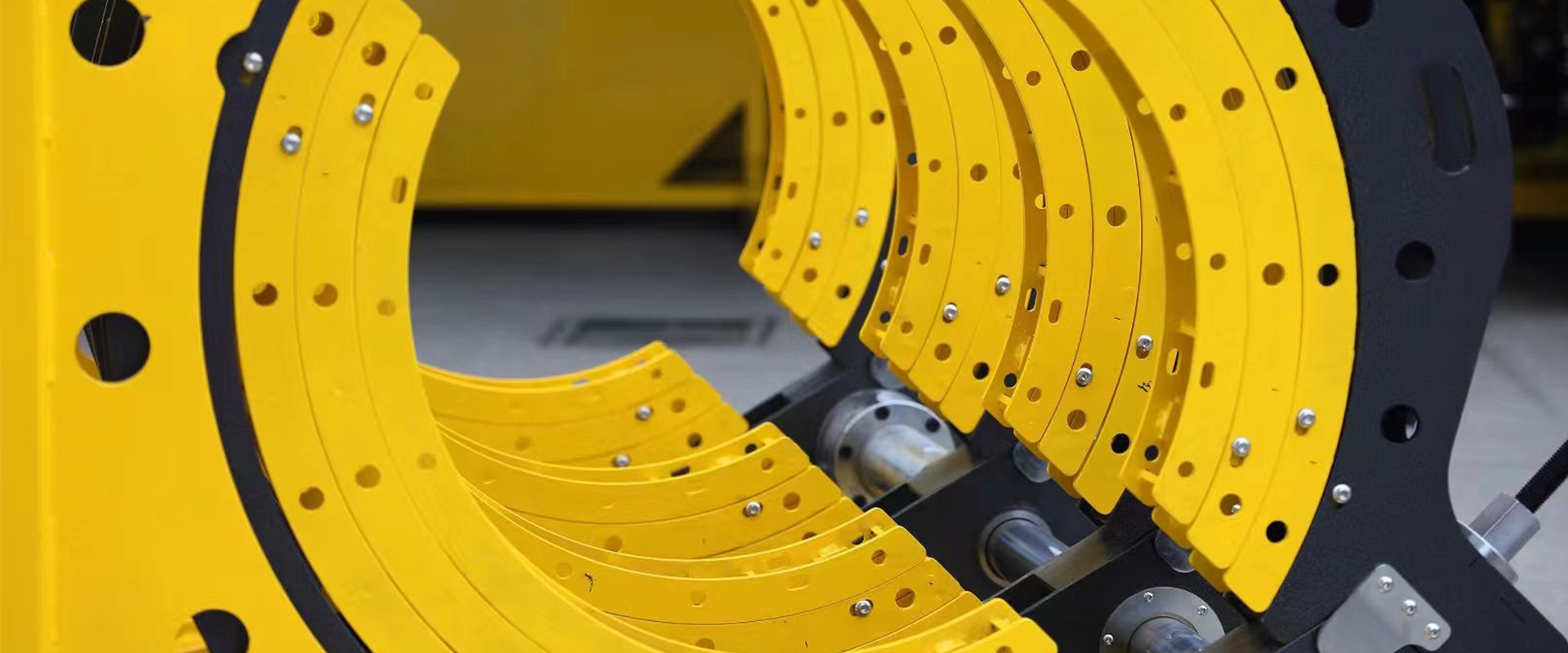
Proper setup reduces weld failures. Follow the manufacturer’s recommended procedures for alignment, heating, and pressure application. Keep a log of machine settings per joint to ensure traceability and consistent quality across the project.
| Parameter | Typical Range | Why It Matters |
|---|---|---|
| Heating Plate Temp | 200–260°C | Ensures correct melt depth for HDPE joints. |
| Facing Time | Depends on diameter | Removes contaminants and creates parallel faces. |
| Fusion Pressure | 50–300 kPa (varies) | Controls melt flow and joint integrity. |
| Cooling Time | As specified per diameter | Prevents joint distortion under load. |
On-site Best Practices for Efficiency
Speed and quality go hand-in-hand. Plan material staging to minimize handling, and keep spare consumables like heater plates and fuses on hand. Use templates or jigs for repeatable alignment on long runs. Document each weld with notes or photos to streamline inspections and reduce disputes.
Tip: For varied weather conditions, protect machines and warmers from rain and extreme wind; cold temperatures can extend heating and cooling cycles significantly.
Maintenance and Quick Troubleshooting
Regular maintenance prevents most breakdowns. Clean heating plates after each use, check hydraulic oil levels weekly, and tighten mechanical fasteners. If welds show voids or inconsistent bead profiles, re-check alignment and heating plate cleanliness first. Small leaks in hydraulic hoses should be addressed immediately to avoid pressure loss and machine downtime.
Common fault checklist:
– Inconsistent temperature: recalibrate thermostat and inspect heater plate contacts.
– Poor clamping: realign jaws and verify that clamps engage fully.
– Slow cycle times: check power supply and hydraulic pump performance.
Choosing the Right Machine for Your Project
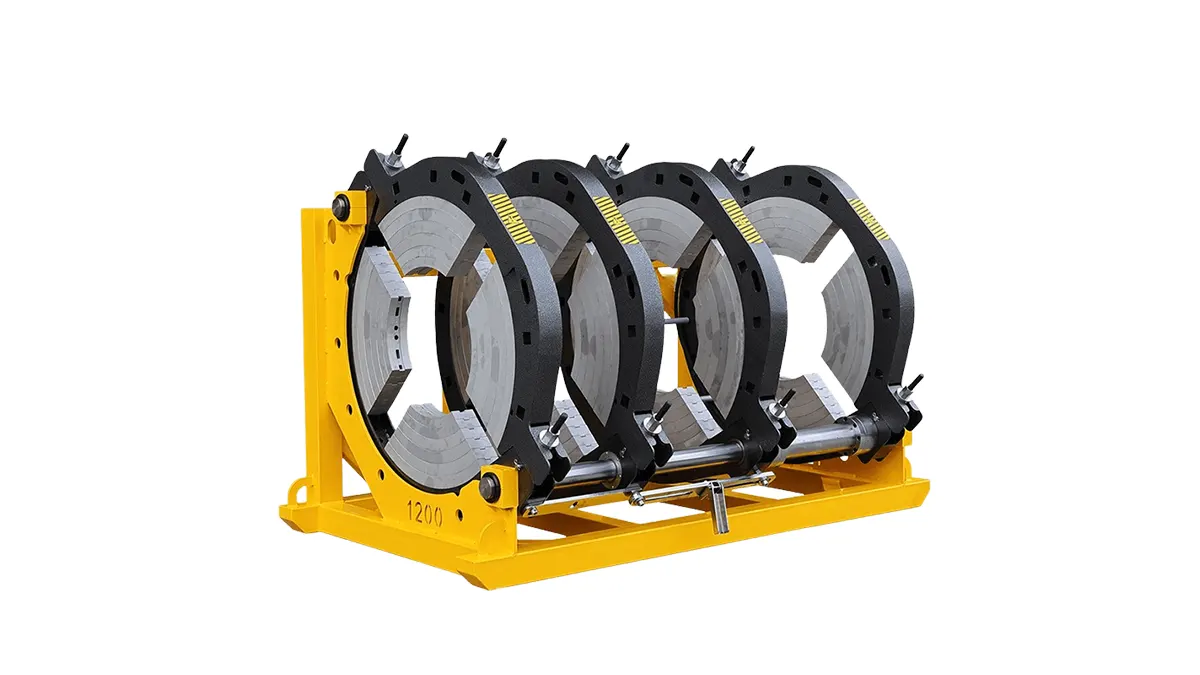
Select a welding machine that matches pipe diameter, joint type, and site conditions. Manual units are portable for small-diameter work, while hydraulic or automatic models improve consistency on larger pipelines. For specialized fittings and electrofusion applications, ensure the machine supports the required control features and data logging.
Supplier note: For reliable butt fusion equipment and global support, consider manufacturers with a proven track record such as JQ-Fusion.
Practical Checklist Before Leaving Site
Before demobilizing, confirm all weld documentation is complete, machines are cleaned and secured, and consumables are inventoried. Label any joints requiring rework and communicate remaining tasks clearly to the next shift to avoid costly delays.
Final reminder: consistent procedures, thorough maintenance, and clear documentation are the fastest paths to safe, efficient welding operations on construction sites.



