
HDPE pipe fusion equipment is the backbone of modern thermoplastic pipeline installation. This guide explains the main welding machines, fusion methods, real-world applications, and buying tips to help engineers, contractors, and procurement teams choose the right HDPE welding solution.
What is HDPE Butt Fusion?
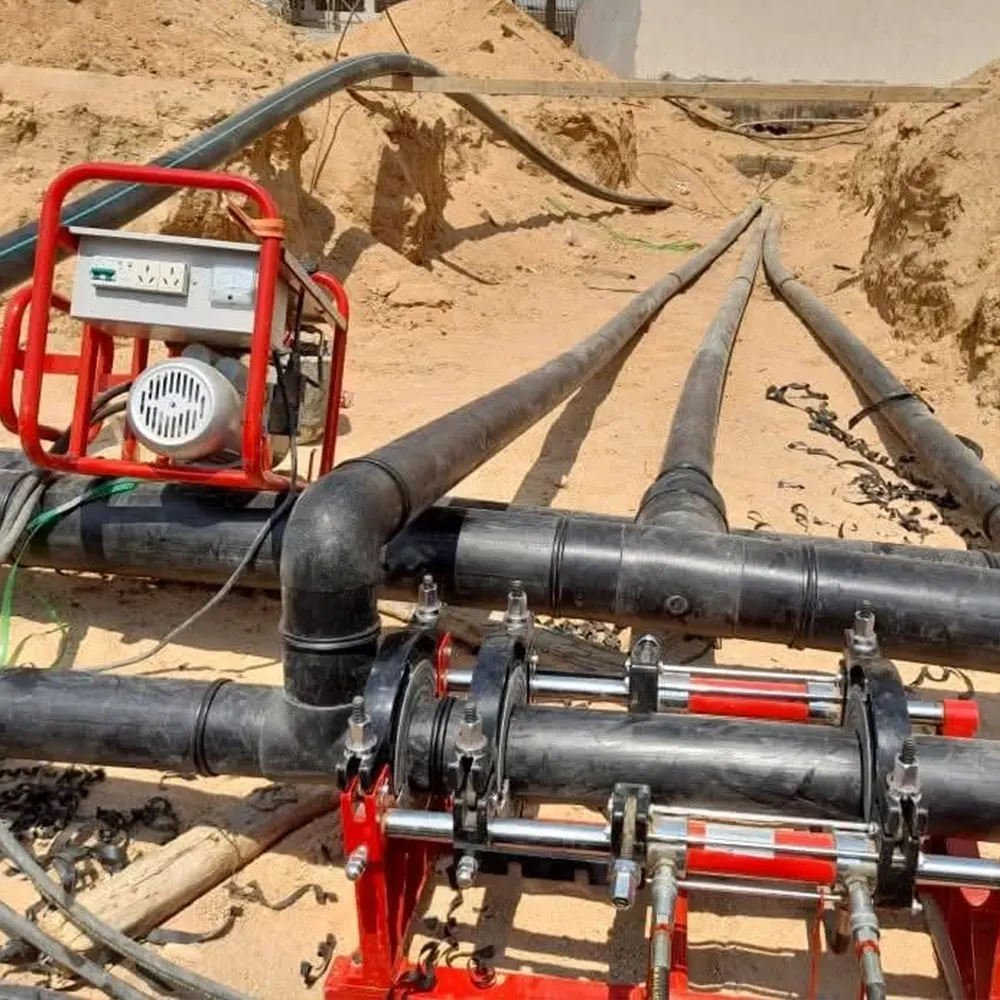
Butt fusion is a heat-based welding method that joins two HDPE pipe ends by heating them with a flat platen and then pressing them together to form a homogeneous, leak-free joint. It is widely used for water supply, gas distribution, mining tailings, and industrial pipelines because it creates strong, corrosion-resistant connections.
Primary Welding Methods
Butt Fusion: The most common method for large-diameter pipes; provides high joint strength and long-term reliability.
Electrofusion: Uses prefabricated fittings with embedded heating elements. Ideal for repairs, complex fittings, and controlled environments.
Socket & Saddle Fusion: Best for small-diameter pipes and branch connections on distribution networks.
Common Fusion Machines
HDPE welding equipment varies by automation level and pipe diameter capacity. The three main categories are:
Manual/Portable Butt Fusion Machines — Compact, easy to transport, suited to small-diameter field repairs and rural installations.
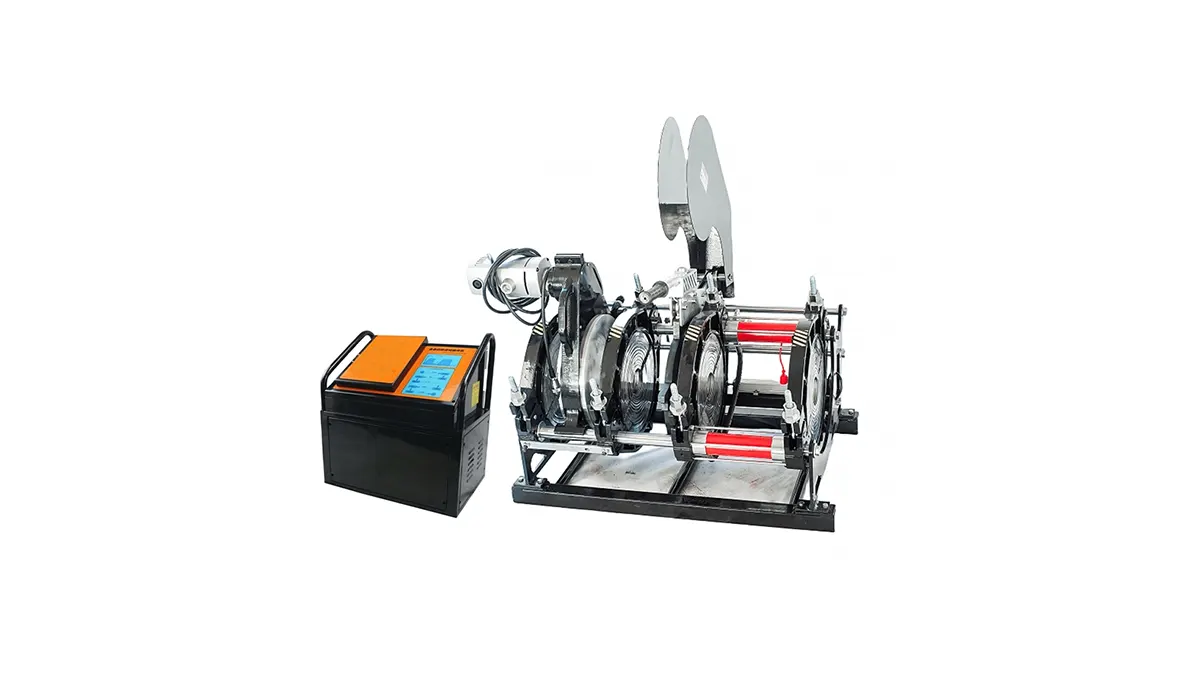
Hydraulic Butt Fusion Machines — Robust clamping and hydraulic control for medium to large pipes used in utilities and municipal projects.
CNC/Automatic Butt Fusion Machines — Digital control, programmable cycles, and precise heating pressure for high-volume factory or on-site production of large-diameter pipelines.
Quick Comparison Table
| Machine Type | Pipe Range (mm) | Best For |
|---|---|---|
| Manual Portable | 20–315 | Repairs, rural water & small projects |
| Hydraulic Butt Fusion | 63–1600 | Municipal pipelines, gas networks |
| Automatic/CNC | 160–2250+ | Large-diameter trunk lines, prefabrication |
Applications and Industry Use Cases
HDPE fusion technology is used across multiple sectors:
Water Supply & Sewer: Long-life, leak-resistant joints reduce maintenance and contamination risk.
Gas Distribution: High-integrity butt fusion minimizes leakage for both urban and remote gas networks.
Mining & Industrial: Abrasion- and chemical-resistant HDPE piping systems for slurry lines, tailings, and process water.
Regional Considerations for Contractors
Climate, terrain, and labor skills shape equipment choice. In cold regions, preheating and insulation steps may be required during fusion. For remote or mountainous installations, prioritize lighter manual units. Urban projects usually benefit from hydraulic or automatic machines for speed and repeatability.
How to Choose the Right Machine
Start by answering three questions: What pipe diameters will you weld? How many joints per day? Do you need portable gear or a production-grade machine? Consider automation, traceable controls (to meet QA/QC), and local service availability when making procurement decisions.
Essential Buying Checklist
– Confirm the pipe size range and SDR compatibility.
– Check cycle controls: manual vs. digital timers/pressure sensors.
– Evaluate portability, hydraulic power, and spare parts access.
– Look for manufacturer support and training options.
Maintenance, Training & Safety
Regular maintenance of heater plates, hydraulic oil, clamps, and scraper surfaces keeps weld quality consistent. Operator training on alignment, heating time, and controlled cooling is critical — proper technique avoids cold welds and weak joints. Always follow PPE and site-specific safety protocols for hot equipment and pressurized hydraulic systems.
Troubleshooting Tips
Common issues like uneven beads, melt-back, or inconsistent heating are usually traceable to plate contamination, incorrect pressure, or worn scraper blades. Replace consumables promptly and use certified temperature verification tools.
Frequently Asked Questions
Q: Can electrofusion replace butt fusion?
A: Electrofusion is excellent for fittings and repairs but butt fusion remains the standard for straight-run joints on larger pipelines due to speed and joint strength.
For professional HDPE welding solutions, JQ-Fusion (https://jq-fusionwelding.com/) manufactures a full range of manual, hydraulic, and CNC butt fusion welding machines, supported by quality control and global service to suit pipeline projects of all scales.



